A Question of Faith | Colin McCahon
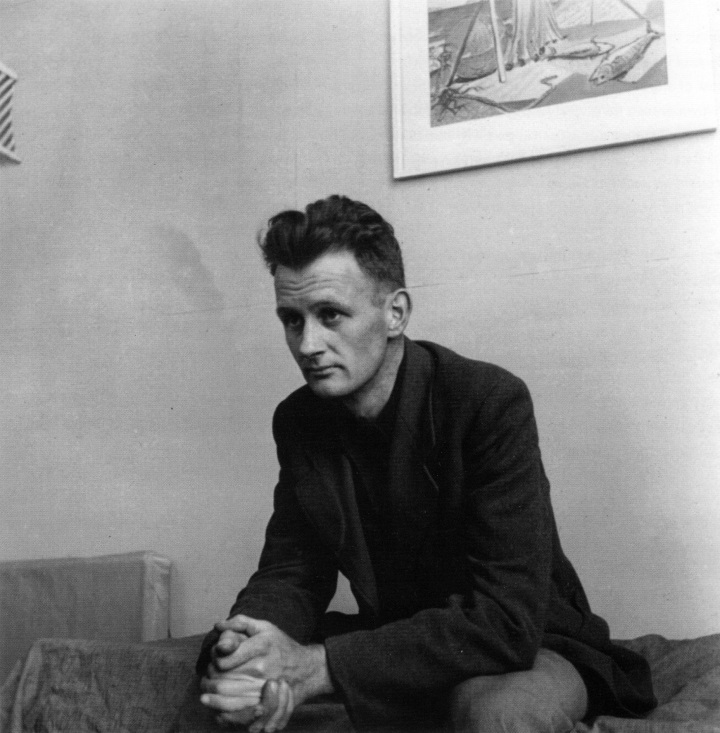
Colin McCahon, c. 1950. Courtesy of the Doris Lusk Estate.
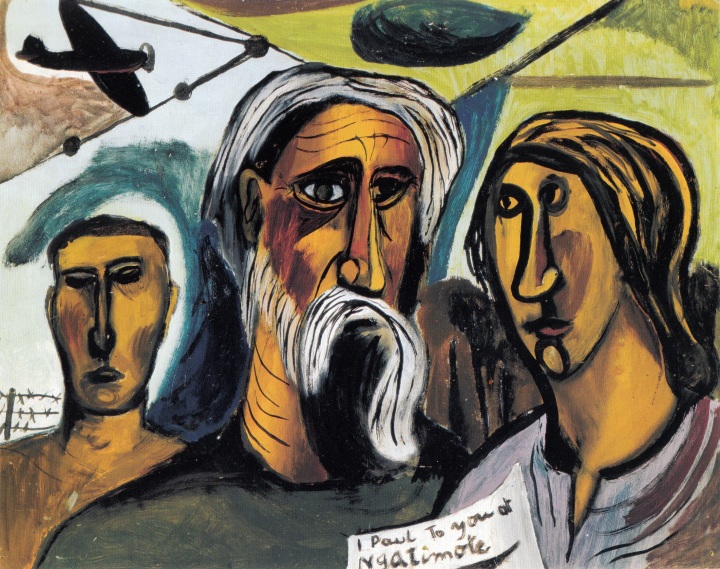
I Paul to you at Ngatimote, 1946.
Oil on cardboard, 50.5 x 63.5 cm.
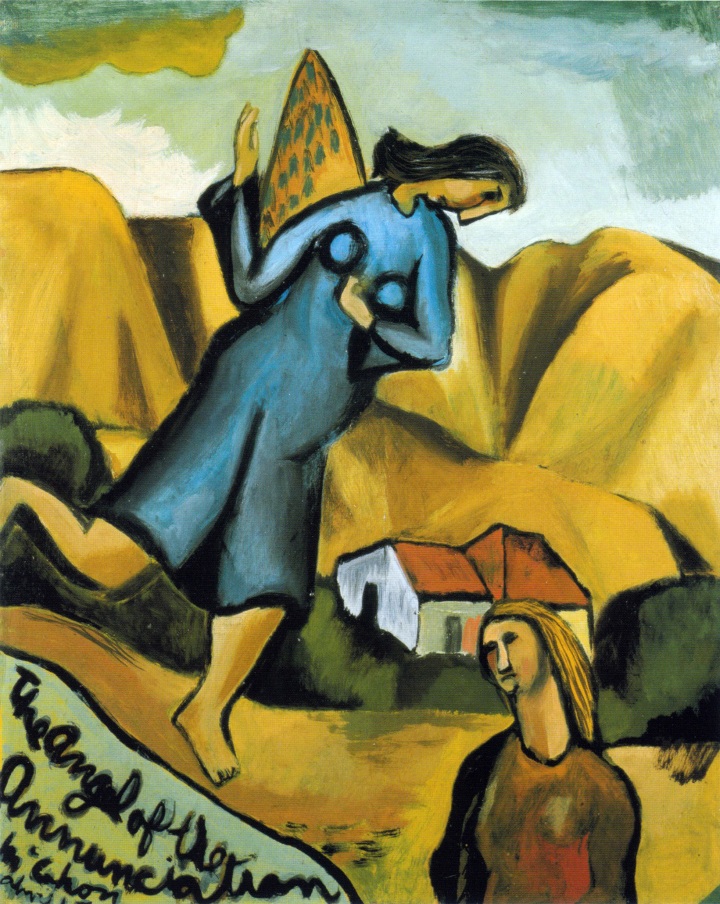
The Angel of the Annunciation, 1947.
Oil on cardboard, 63.5 x 51.2 cm.
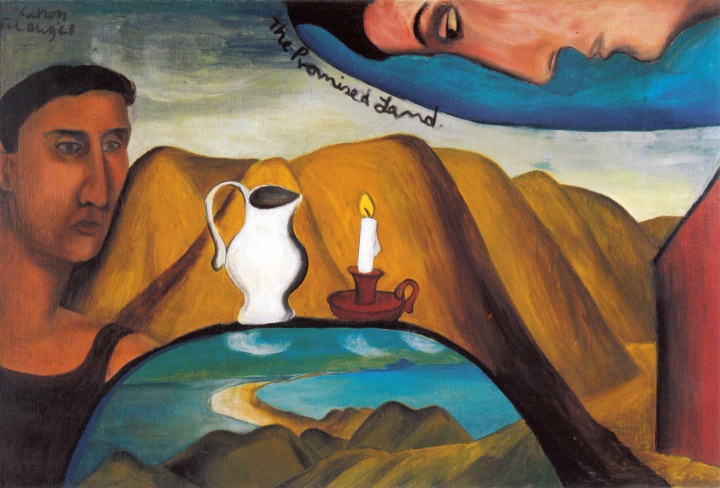
The Promised Land, 1948.
Oil on canvas, 92 x 137 cm.
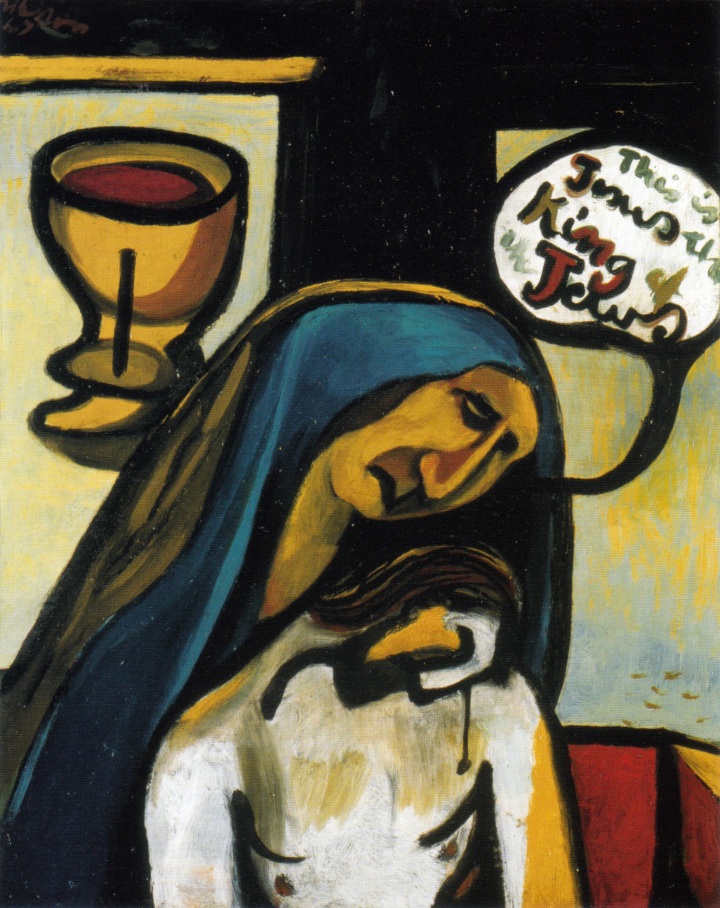
The King of the Jews, 1947.
Oil on cardboard mounted on hardboard, 63.6 x 52 cm.
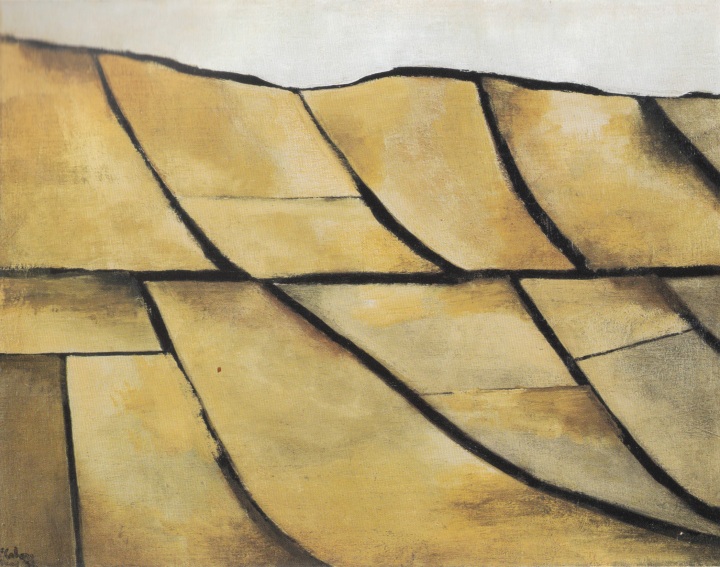
North Otago Landscape, 1951.
Oil on canvas on board, 51.5 x 66.2 cm.
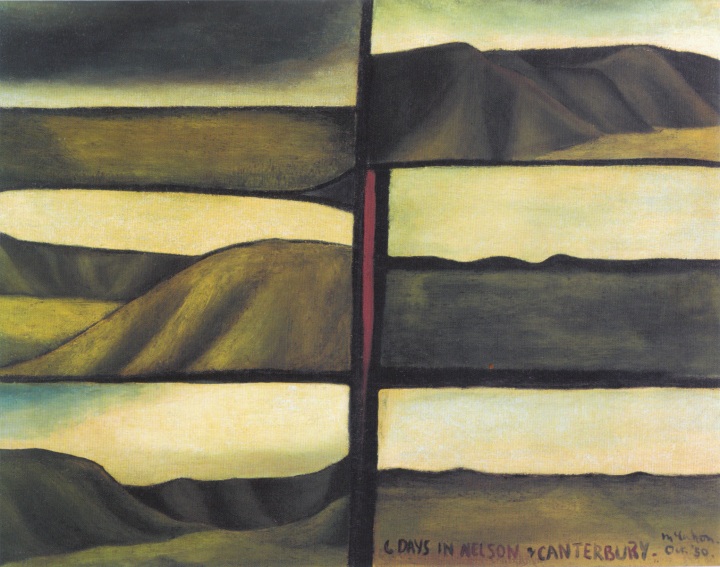
Six days in Nelson and Canterbury, 1950.
Oil on canvas laid on board, 88.5 x 116.5 cm.
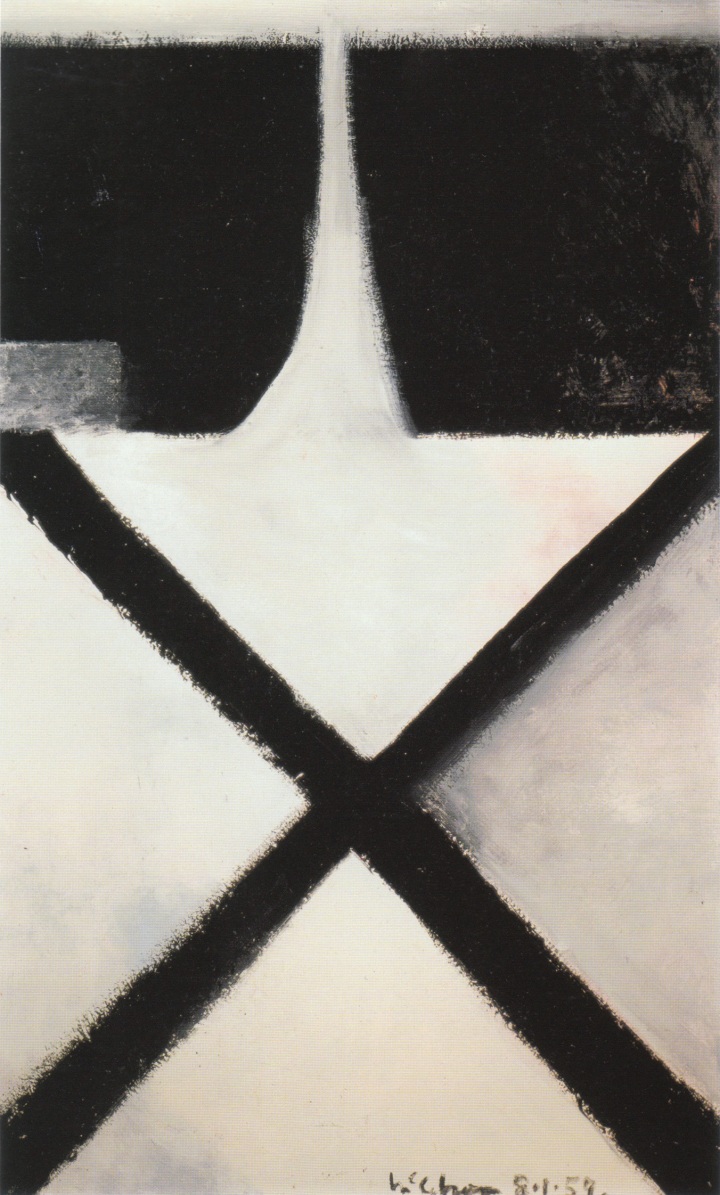
Cross, 1959.
Enamel on hardboard, 121.9 x 76.2 cm.
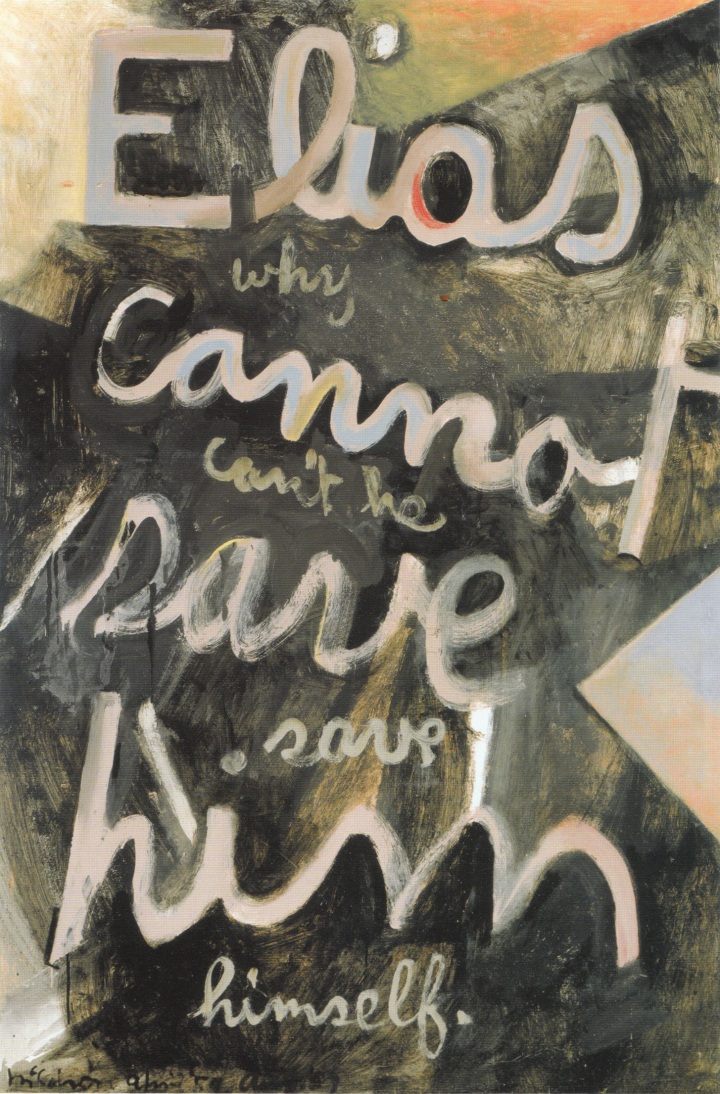
Elias: why can’t He save Himself (Elias series), 1959.
Enamel and sawdust on hardboard, 147.5 x 100 cm.
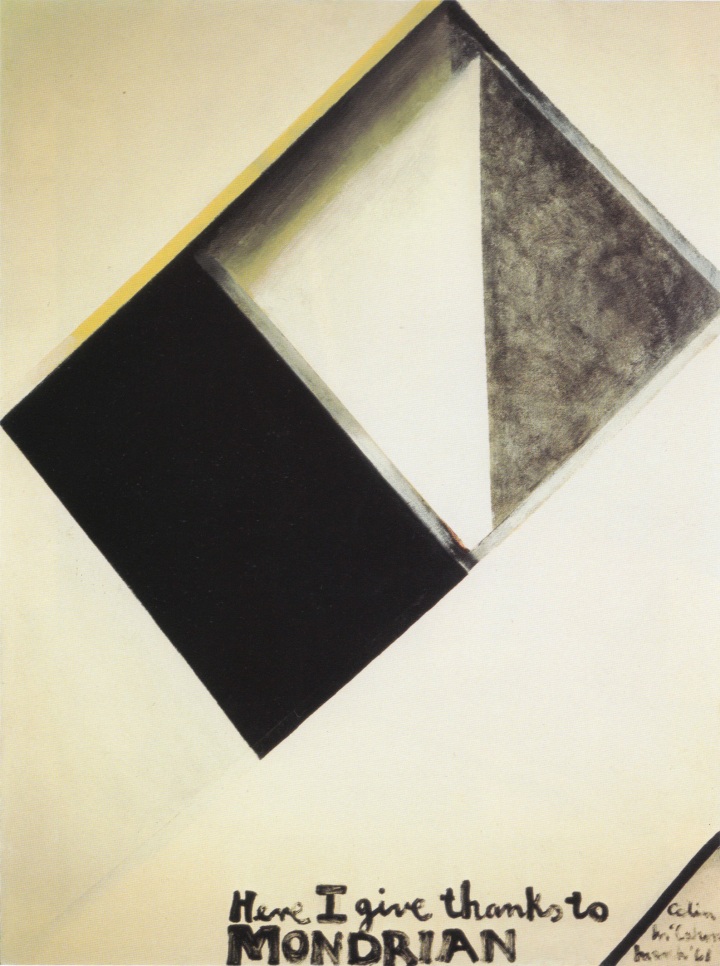
Here I give thanks to Mondrian, 1961.
Enamel on hardboard, 121.8 x 91.4 cm.
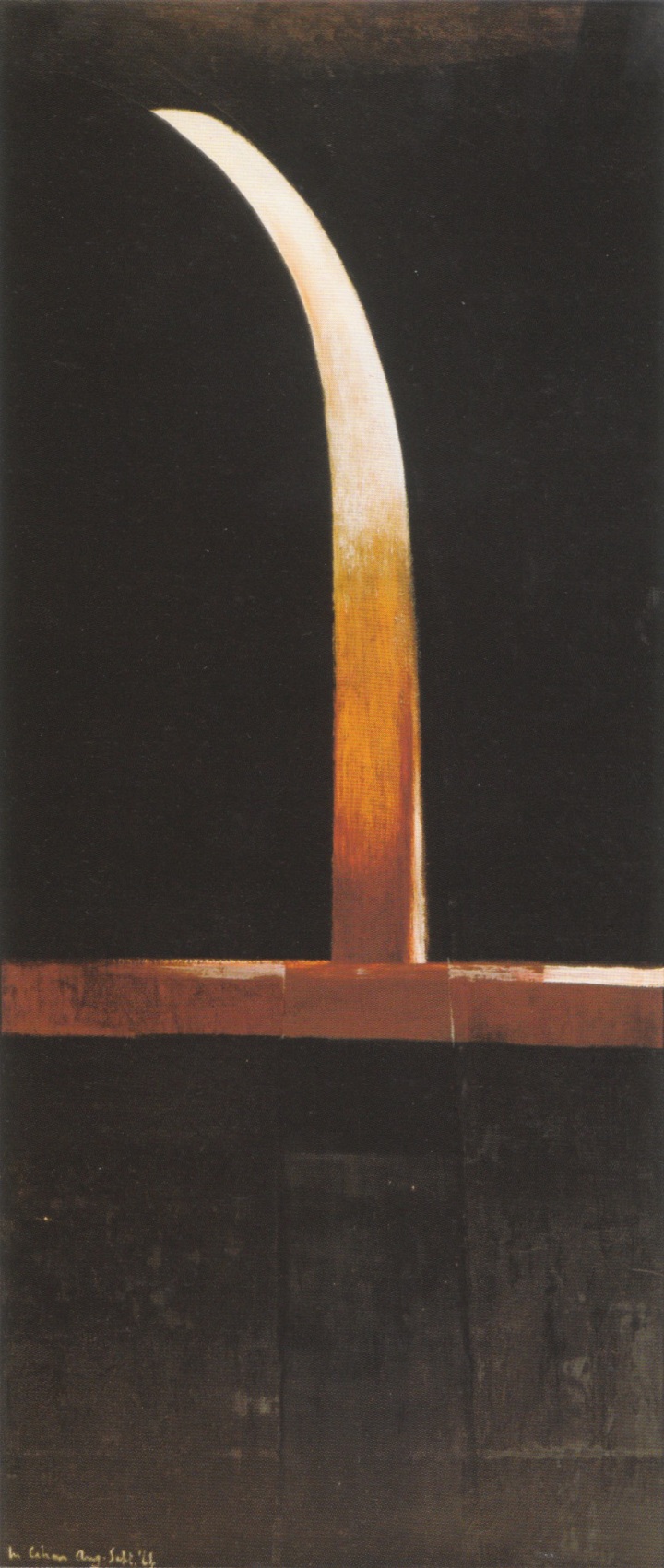
Waterfall [one panel from a polytych], 1964.
Enamel on plywood panel, 212.7 x 90.5 cm.
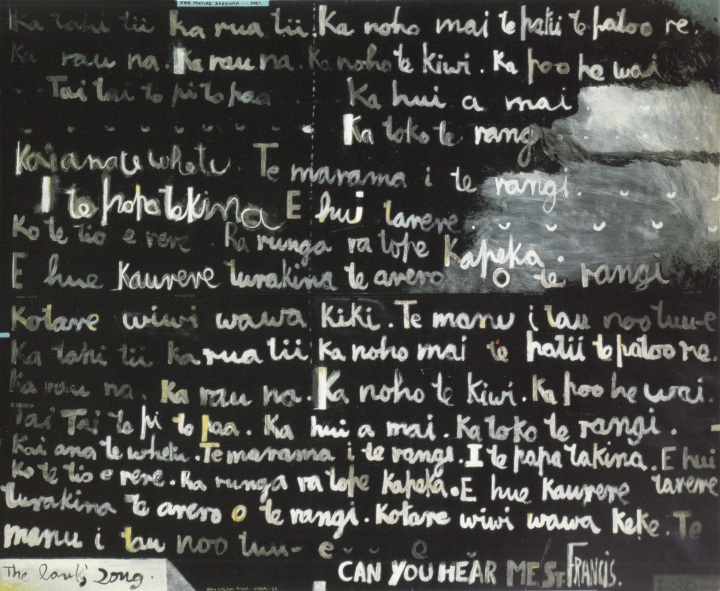
The Lark’s Song (a poem by Matire Kereama), 1969.
Acrylic on two wooden doors, overall 162.6 x 198 cm.
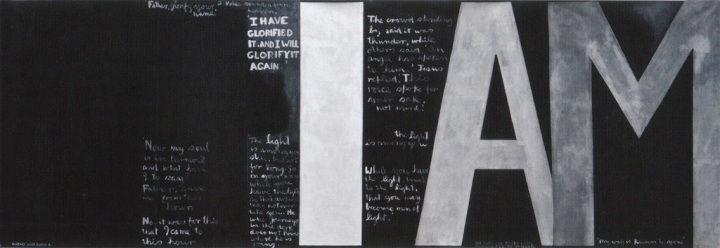
Victory over Death 2, 1970.
Acrylic on unstretched canvas, 207.5 x 597.7 cm.
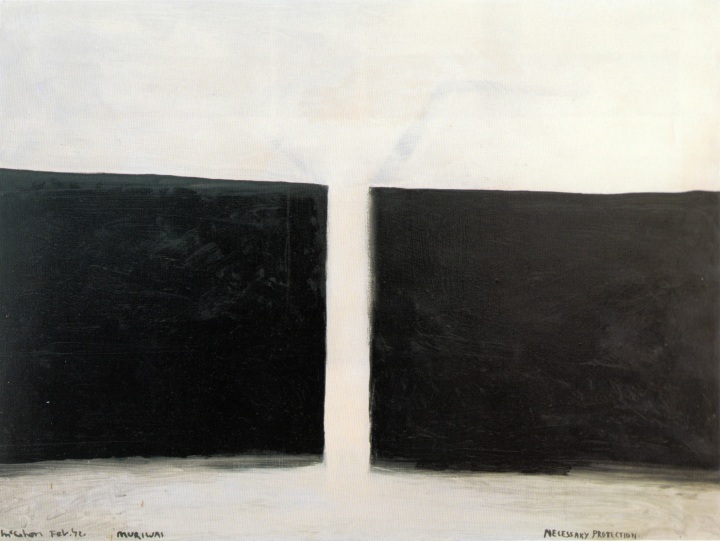
Muriwai. Necessary Protection, 1972.
Acrylic on hardboard, 60.8 x 81.2 cm.
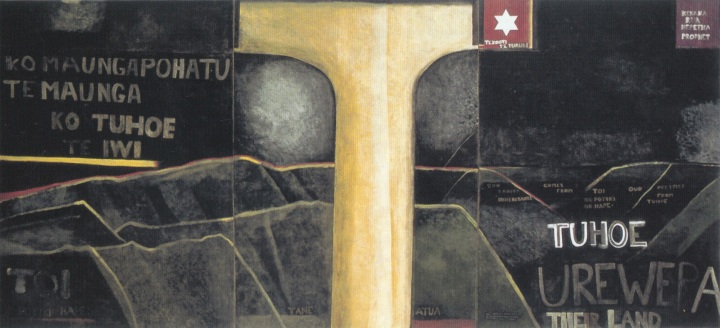
Urewera Mural, 1975.
Acrylic on three unstretched canvases, overall 255 x 544.5 cm.
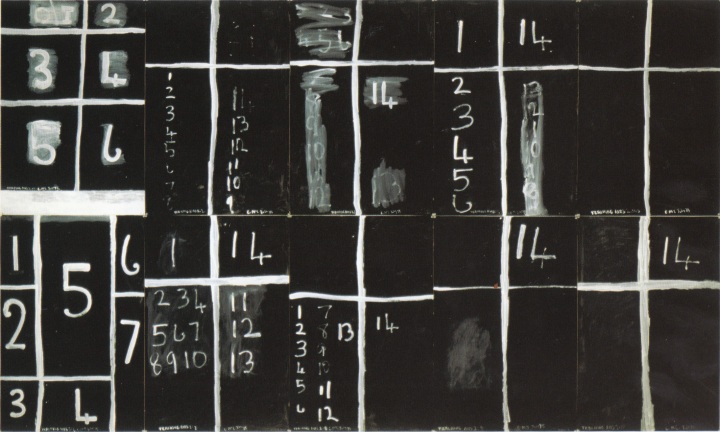
Teaching Aids 2 (July), 1975.
Acrylic on Steinbach paper, 10 sheets, each 109.2 x 72.8 cm, overall size 218.4 x 364 cm.
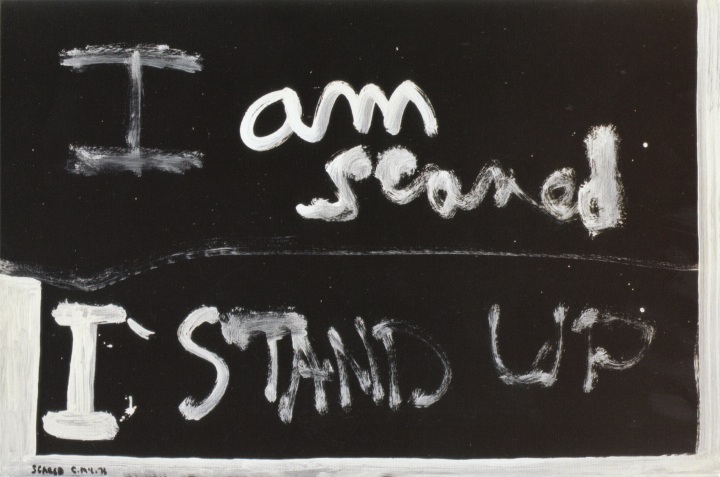
Scared, 1976.
Acrylic on Steinbach paper, 71.5 x 107 cm.
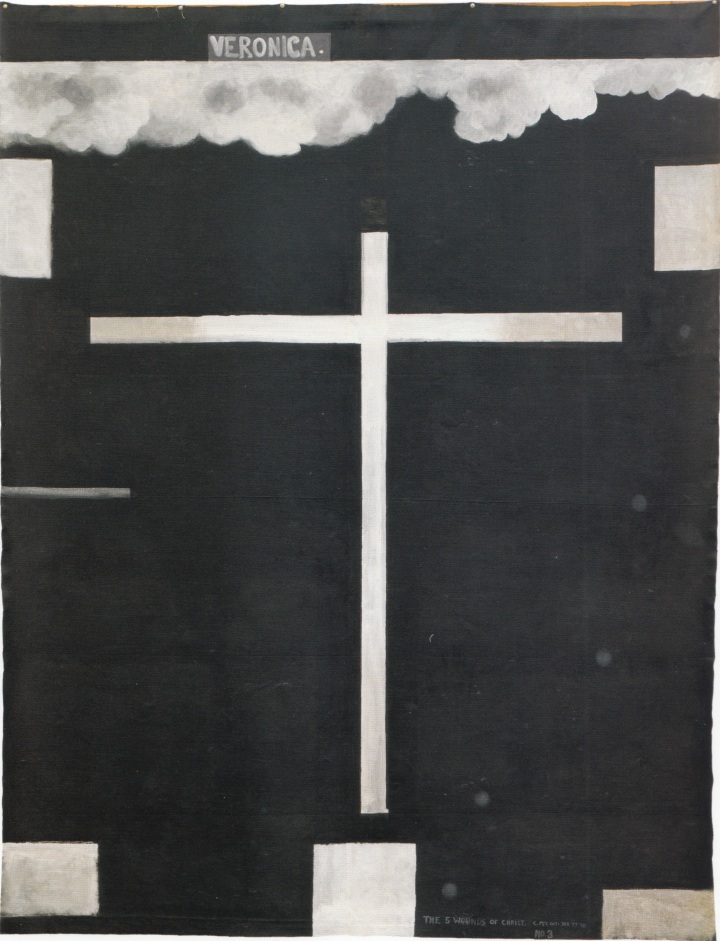
The 5 Wounds of Christ no. 3: Veronica, 1977-78.
Acrylic on unstretched canvas, 242 x 187.5cm.
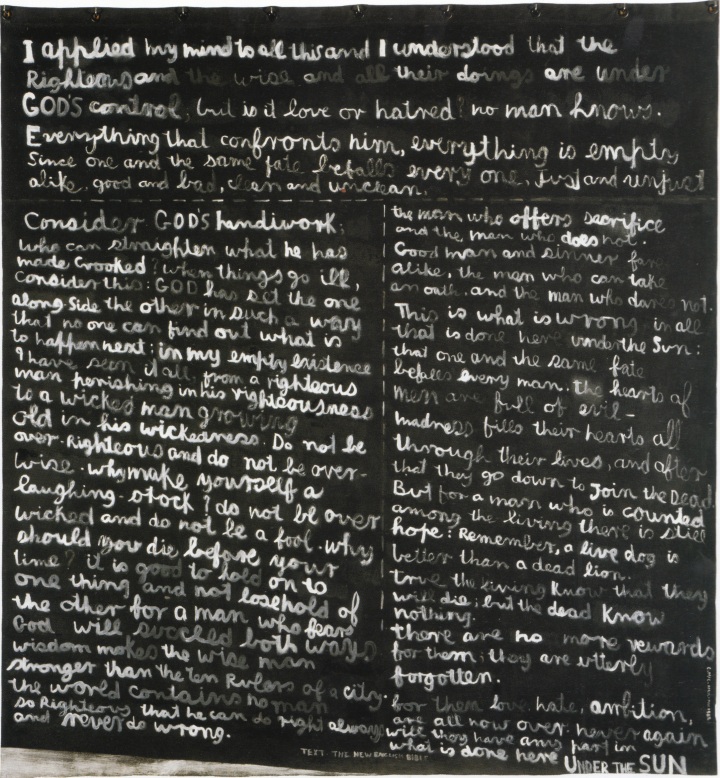
I applied my mind, 1980-82.
Acrylic on unstretched canvas, 195 x 180.5 cm.
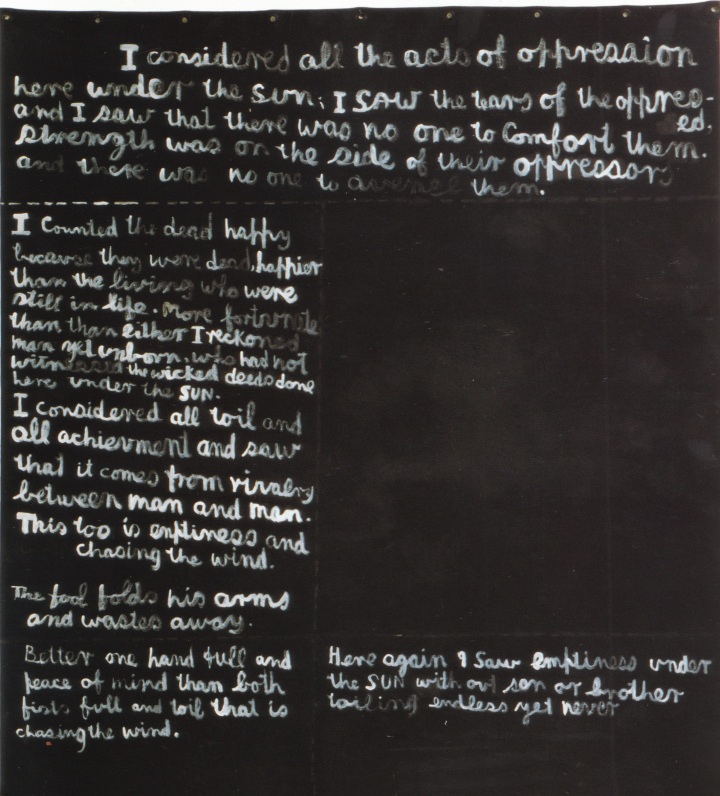
I considered all the acts of oppresssion, 1980-82.
Acrylic on unstretched canvas, 196.4 x 180 cm.
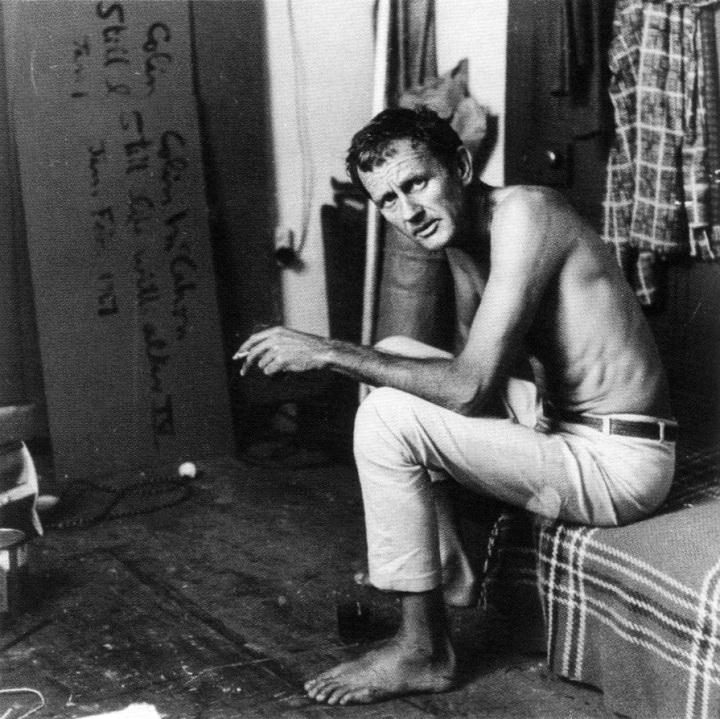
Colin McCahon in the studio at Partridge St. Grey Lynn, Auckland, late 1960s. Courtesy of McCahon Family Archive.
There is a word from the time of the cathedrals: agape, an expression of intense spiritual affinity with the mystery that is ‘to be sharing with another life’. Agape is love, and it can mean ‘the love of another for the sake of God’. More broadly and essentially it is a humble impassioned embrace of something outside the self, in the name of that which we refer to as God, but which also includes the self and is God.
Barry Lopez, Arctic Dreams (London: Picador, 1986)
Driving east from Murupara you can watch the landscape suddenly slip from the grip of the great colonial project. Pastoral plain and pine plantation yield to the primordial, as abruptly as tarseal becomes loose gravel. Up against the wild forcefield of Te Urewera, Britain of the South just gives up.
It is different here, and Colin McCahon knew it. The West’s cataclysm of chance has been through Te Whāiti, Ngāputahi, Ruatāthuna, and Maungapōhatu, as it has every Pacific village. But dispossession here, as with the empires potentials for obliteration, has had but a shadow of it’s success elsewhere in Aotearoa. Te Urewera’s Māori land lies without the gangs of Pākehā farms that now inevitably surround it in other New Zealands, and remains unfazed by their urgent economics. It is as though Tūhoe’s history, their mountain fortress’s inaccessibility, has given them a strength that still sustains. While what now saturates the rest of the country may circle Te Urewera on all sides, it can’t enter. It is as though the land’s life-force is still Māori.
Yet somehow the possibility is betrayed by the way the Māori clearings seem to shrink from what encircles them. The driver too feels diminished by the wild life outside, compared with the passage through a domesticated landscape. Road maps confirm what the view hints. This is the South Pacific, not England. A dark, elemental, forever forest, not to be entered unless you know precisely what you’re doing. Primordial, Gondwanan, shrieking with birds, but unhaunted by the human history that brings time – or landscape – into being. Pacific gods – Papatūānuku, Tāne – have a longer stake in it than Christianity’s one, but the distinction is trivial. This has long been its own place. Brutal news for those who like to call the landscape theirs.
…
Colin McCahon’s eyes needed more than picturesque forest scenery. His peering out of the car window – a constant I gather – was a vital part of his process of looking into ‘New Zealand’, our situation here, and figuring out how to show it to us. His pictures, as he called them, can take the wind out of us, exposing the damage to what another discomforting voice, the cartoonist Michael Leunig, calls our soul’s ‘great, delicate, interconnected ecology’. McCahon was scared by the huge gap in our practical knowledge of ourselves in these ancient islands – dislodging what was here by nature without learning much about it – created by the settler psyche and pieties. ‘Something logical, orderly and beautiful’: these now-celebrated words express his earliest conscious sensing of qualities ‘belonging to the land but not yet to its people. Not yet understood or communicated, not even really invented.’ he meant Pākehā people, in the main, and he decided he would be the inventor. In the process, he created himself an envoy of the power and magic of art such as New Zealand had not experienced before.
Really good art burns itself into your memory and shapes your sense of place. Colin McCahon knew that his encounter with this stretch of country and its diminishing of human projects produced something seminal.
…
Heart of Darkness, Joseph Conrad’s famed exposé of colonial misdemeanor in Africa, has been label an inveterate piece of racist imperialism. But the darkness Conrad sensed in ‘the primeval forest’, as impenetrable as the darkness in Congo eyes, was not a phenomenon confined to the African arm of the empire. D.H. Lawrence sensed in Australia what Monte Holcroft called ‘the primeval shadow’ here, McCahon painted it, and, inevitably in a culture that is in decolonisation mode and has such a hard eye for tall poppies, some have used that to have a go at him. His inventions have been branded ‘Pathetic Projections: Willfulness in the Wilderness’ by those who detect in them a presumption to be the first speaker in and otherwise ‘silent’ land – a thousand years of Māori settlement notwithstanding.
Yet Colin McCahon’s ‘deeply coded community of signs’ have been compared to Aboriginal songlines. Just as few imagine ecology as being a site for finding answers to the question of whether peace can be a foreground rather than background, landscapes are full of things that most people simply don’t see. Some may look at the landscape and notice the light and the dark, the vulnerabilities and regenerative life forces in the shifting, chancy interplay between culture and nature. The appearance in the mind, even, of a symbol or two. But they’re more likely to move onto another view before the prospect can affect them. Moving left to right, those who would enter his landscapes, must walk along them as Pitjantjtjara and Aranda do their songlines, being cued in to who and where they are, where they came from, and how they relate to what’s going on.
Colin McCahon once said that his landscapes weren’t landscapes. But in interpreting a place through symbol and imagination, they heighten our own perceptions in ways that are rarely permitted by the ordinary process of ‘seeing’. Eyes feeding on the wildness pressing in on him, he came along this road because these dark, primal Aotearoan hills has something to tell, and he’d been asked tell it. Seeking truth in a peculiarly hard place.
…
‘Of the reasons for preserving a fragment of the landscape,’ one of the most insightful readers of landscape has said, ‘the aesthetic is surely the poorest.’ Waikaremoana is particularly beautiful New Zealand scenery, in the midst of what Elsdon Best, writing for tourists, called a ‘picturesque region’. But McCahon was suspicious about beauty of that kind. In a national park, of all places, he seeks to take us out of the world of visibly charged beauty – showing New Zealanders how their preoccupation with scenery, their possessing it ‘preserved’ in reserves, and their dogma that it’s a necessary ingredient of a painted landscape, trapped them in a particular sense of beauty.
‘How to keep… Back Beauty, keep it, beauty, beauty, beauty… from vanishing away?’ asks a poem McCahon was fond of quoting. ‘Give beauty back, beauty, beauty, beauty, back to God, beauty’s self and beauty’s giver.’ We do not own what appears to be most ours, most easily grasped, says Gerald Manley Hopkins, the poet. We have no claim on it – ‘preserving’ it for example – because what is at risk does not belong to us anyway.
What McCahon called his ‘interest in landscape as a symbol of place and also of the human condition’ was central to Hopkins poetry. Hopkins considered the filtering inward of nature to self that he recorded in his contemplations of nature to be so crucial to real understanding that he coined a word for it, a word now used by poets, painters and ecologists alike.
‘Inscape’ is the unfolding of the particularities of nature and the lineage of our encounters with it that put sensory perceptions of a landscape trigger. It’s the antithesis of what strangers’ eyes perceive, ‘unknown and buried away… and yet how near at hand it was if they had eyes to see it’, Hopkins wrote. Inscape distinguishes ‘the Māori landscape’ from the Pākehā one. It allows for both despair and delight at the sight of manuka-covered hillside in the bloom of regeneration. It makes those in New Zealand who are of European descent aware that their colonial project brought an inner landscape, so to speak, across the world, and one which differed at every point from what they found here. It was a kind of self-protective psychological compensation, the Australian Judith Wright has ventured, that made us burn, shoot, chop down and destroy whatever we could, replacing it, ‘if at all with something nearer to the heart’s desire’.
Hopkin’s poetry has been labeled linguistic nationalism for its profound shift from the standard Latin ‘correctness’ of mid-nineteenth century Catholic England to vernacular dialects of Anglo-Saxon folklore and custom. McCahon drew long and sustainingly from Hopkins for much of his painting life, and equivalent nationalism emanates from his landscapes’ candid hostility to the saturating prevalence and power of ‘the picturesque’ in New Zealand landscape painting rules. Inscape, said Hopkins, is ‘the very soul of art’. And just as, without that, he could not describe, in words, the processes and relationships he saw around him, McCahon, similarly, had to devise his own enabling vocabulary of signs.
– you bury your heart, and as it goes deeper into the land
you can only follow. It’s a painful love,
loving a land.
It takes
a
long time.
‘I belong with the wild side of New Zealand’ – The flowing land in Colin McCahon.
Originally written as a commissioned essay for a book to accompany a major exhibition of Colin McCahon.
The exhibition did not eventuate.
Theatre Country: Essays on Landscape and Whenua
Geoff Park
Victoria University Press
2006
___
Colin McCahon: A Question of Faith
Marja Bloem and Martin Browne
Contributions by Rudi Fuchs : William McCahon : Murray Bail : Francis Pound : Steven Miller
Craig Potton Publishing
2002
___
R
Note: This will be the last post on History of Our World.
To those who viewed, commented or supported the website, thank you.
Interview | Novembre Magazine
As the virtual landscape is increasingly obscured by identikit blogs dedicated to random composition and directionless moodboards, the search for informed art appreciation and critical theory becomes harder. History of Our World is a self-styled online repository for collected images and texts based in New Zealand. It explores the interrelationships of its creators with the work they feature, in the context of their geographical surroundings. Novembre spoke to the collective about their references, methodology and the threat of blog mentality.
NOVEMBRE: Physical space and the importance of place seems a key theme running through the project, what is it that inspires you about this concept?
RUFUS KNIGHT: The essence of our research is to form different atmospheres; these may be built up through pervading moods of physical or emotional space depending on the viewer’s perception of the imagery and text. If there is an emphasis on physical space it stems from our interest in memory, or traces thereof, and it’s physical record on built forms, the heart and landscapes.
N: Can you relate to something in the relationship between the viewer online and their disconnection from the environment or objects they are looking at?
RK: The connection to place that is visible in History is informed by the relative distance New Zealand has to the rest of the world and the insight and naivety this geographic isolation offers.
N: Do you ever perceive what you do in terms of curating?
RK: The idea of curation in relation to blogging and its various discontents is questionable. Generally speaking, blogging is beginning to strip the online documentation of art and culture of any credibility by fostering an unconscious (and uncredited) ‘blog-mentality’ which is fucking terrible.
What we try to express are ideas of process and substance; consciously removing the immediacy associated with the online medium and trying to create something that is thorough, informative, well edited but most importantly adds to our understanding of either the subject or ourselves. Also trying to present something to the viewer that has a sense of physicality and honesty to its original source and cohesiveness in its relationship to the larger body of works featured on the site.
N: Do you recognize the boundaries between art, fashion, architecture, and product design in what you do, or are these categories becoming irrelevant in terms of contemporary design and critical theory?
RK: I would say we do, and that these parameters are still necessary in contemporary design in order to interpret the properties of each discipline; the more you understand the fundamental aspects and/or limitations of a medium, the better position you are in to understand when the approach or expression is multidisciplinary in nature. However, I would say that if there were overriding aesthetic criteria for the way we approach and edit our content it would be emotion and resonance.
N: Which people and places have proven to be key inspirations in your work?
RK: Primarily New Zealand – its isolation, depth and geography are highly motivating factors.
The people who have influenced History are simply the people who view our content as relevant, engaging and help to connect it to larger bodies of thought.
N: Do you create unique original imagery and writing yourselves?
RK: Although the content we feature is sourced from various physical publications, in some ways you could validate what we post as original content; the scanned images quite often posses imperfections from their original source giving them a signature, the juxtaposition between the image and text often lends itself to further interpretation, also if you were to analyze the interrelationship between the artists we feature, even the specific work of the artists, you can begin to see an investigation into the aforementioned themes of process, substance and atmosphere resulting in what could be considered as an original narrative.
N: There appears to be a focus on the rough, fractured, unfinished, manmade, raw, and human in what you use – are these aesthetic values that you are always drawn and attracted to? Why do you think that is the case?
RK: This focus represents our interest in raw materials, atavistic expressions of craft and the processual; ideologies derived, again, from our interest in the landscape.
There is an apparent honesty and permanence in these works that connects with something very base. Although quite violent in there articulation there is always an inherent passion in these works that speaks to our interests in the trace of memory and weathering.
N: What are your plans for developing the project?
RK: New Zealand has a rich and reasonably esoteric cultural history and History of Our World will aim to document the artists we feel have shaped our personal and cultural identities and are of international relevance.
Also we will try to incorporate parts of this into an online medium to subsist our understanding and exploration of international art and culture.
Something that could become more realized is a discussion or critique of our content; if the viewers are interested in discussing the featured artists or works this is more than encouraged.
How It Is | Miroslaw Balka
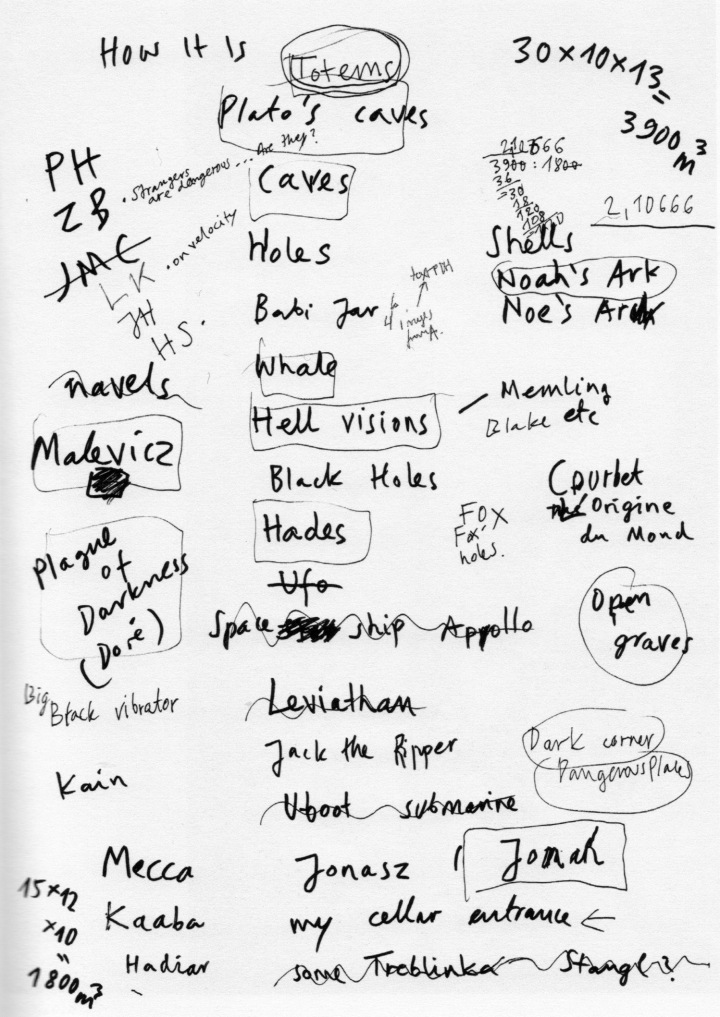
List of references for How It Is, April 2009
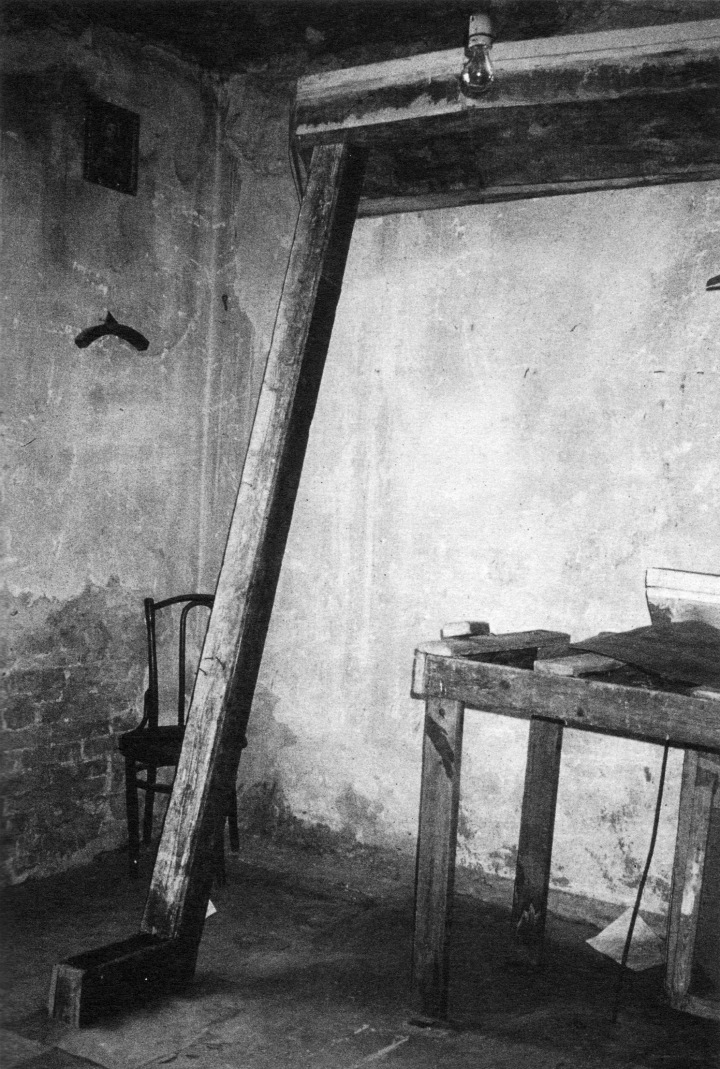
The artist’s studio with elements of Oasis (CDF), 1989

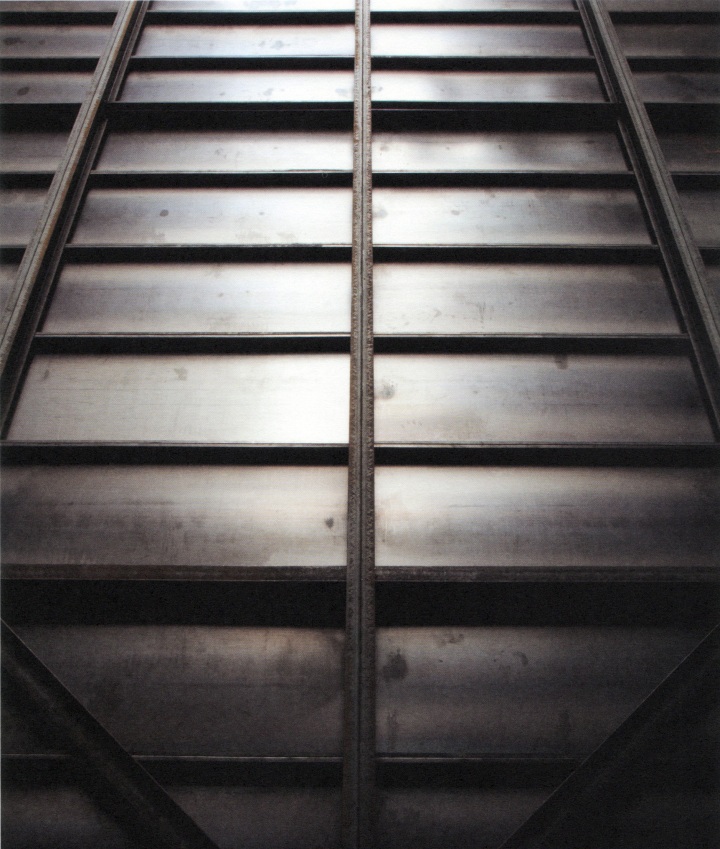
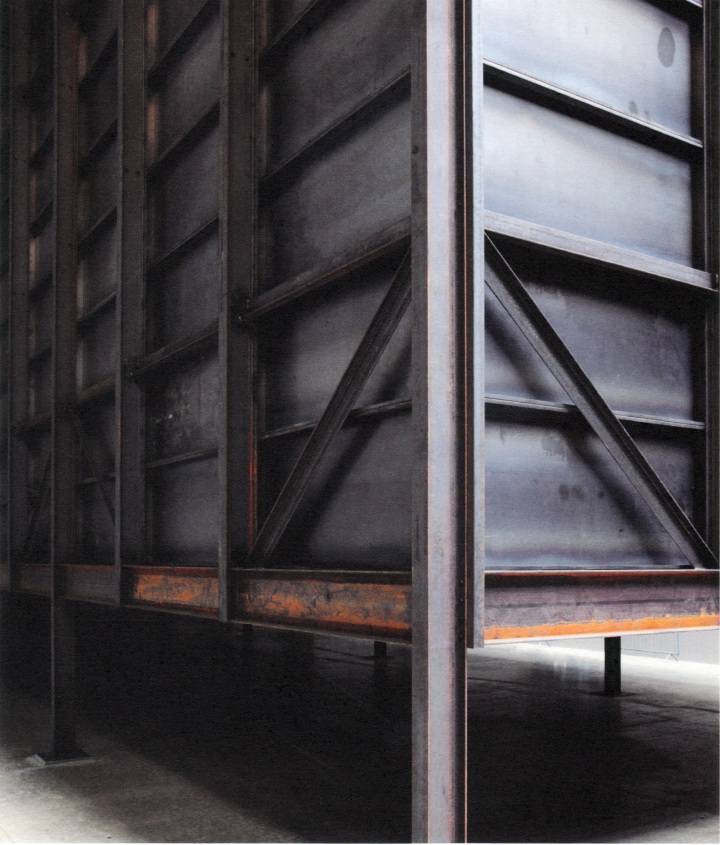
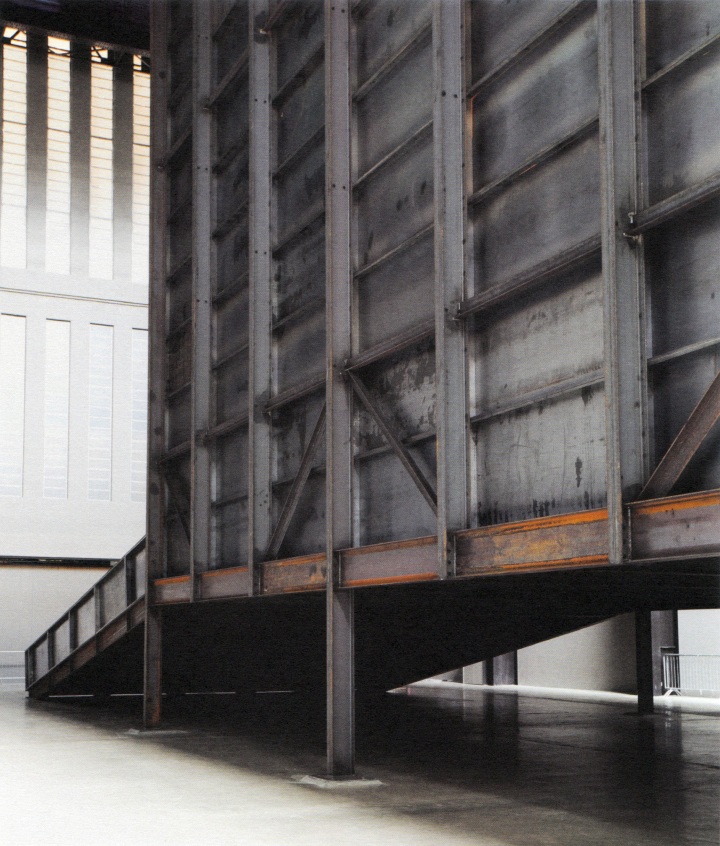
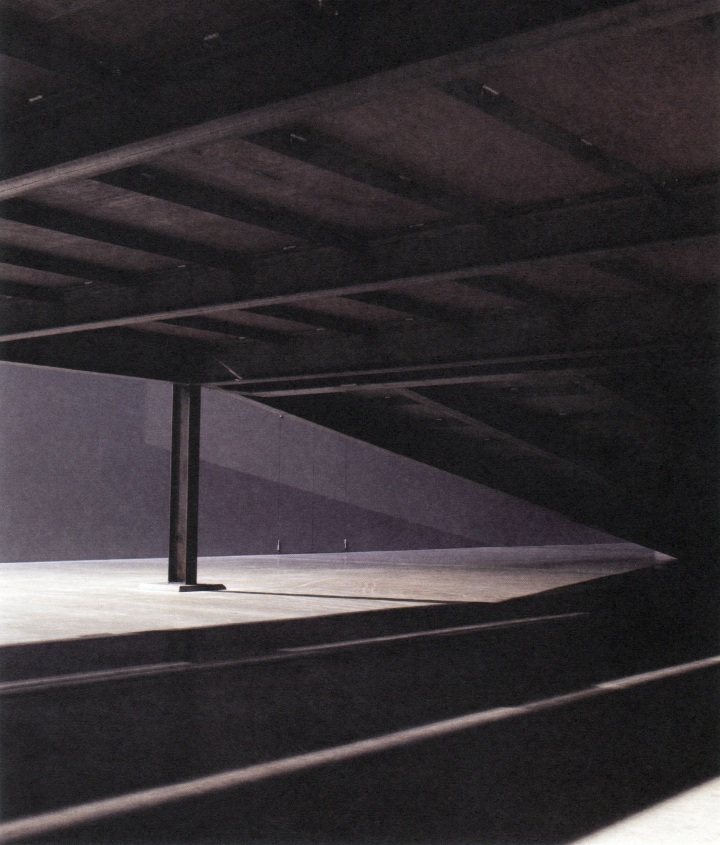
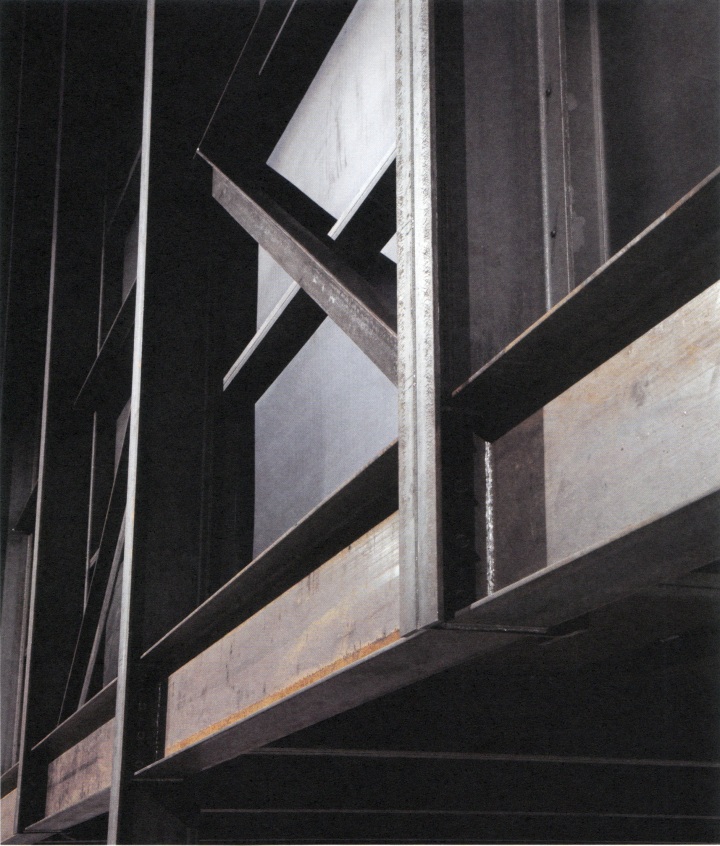
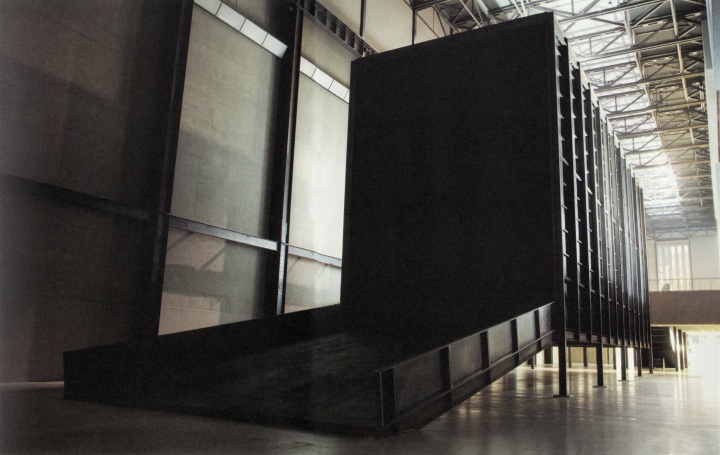
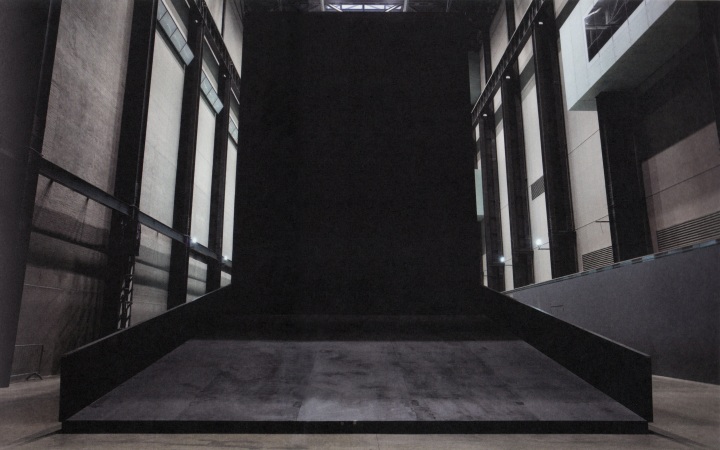
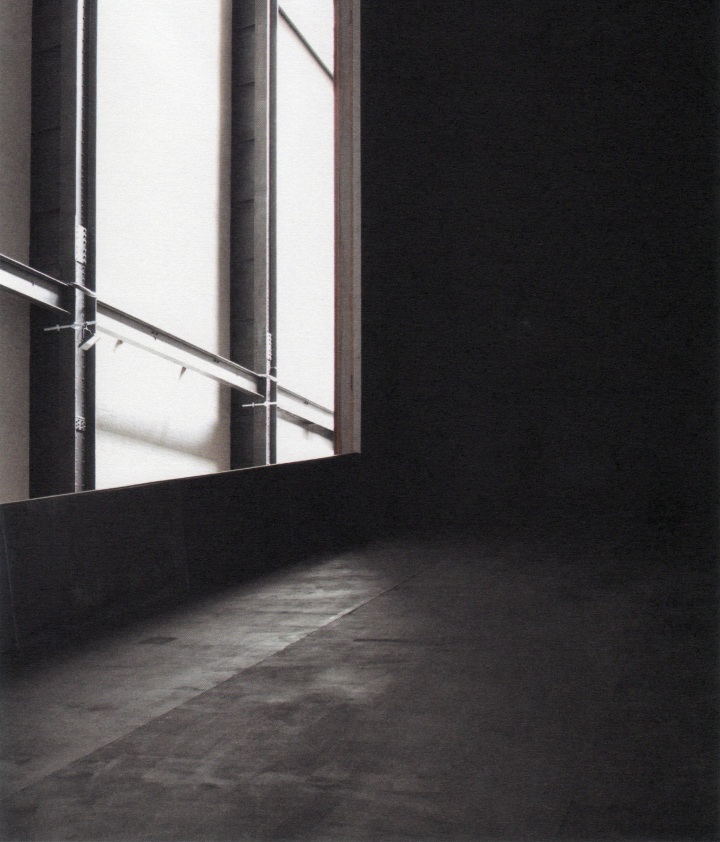
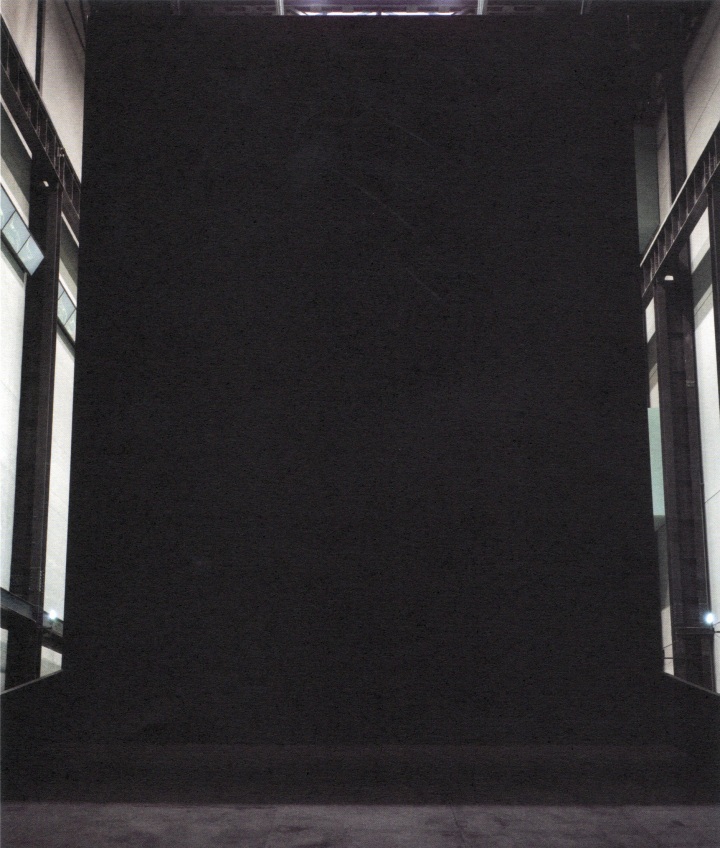
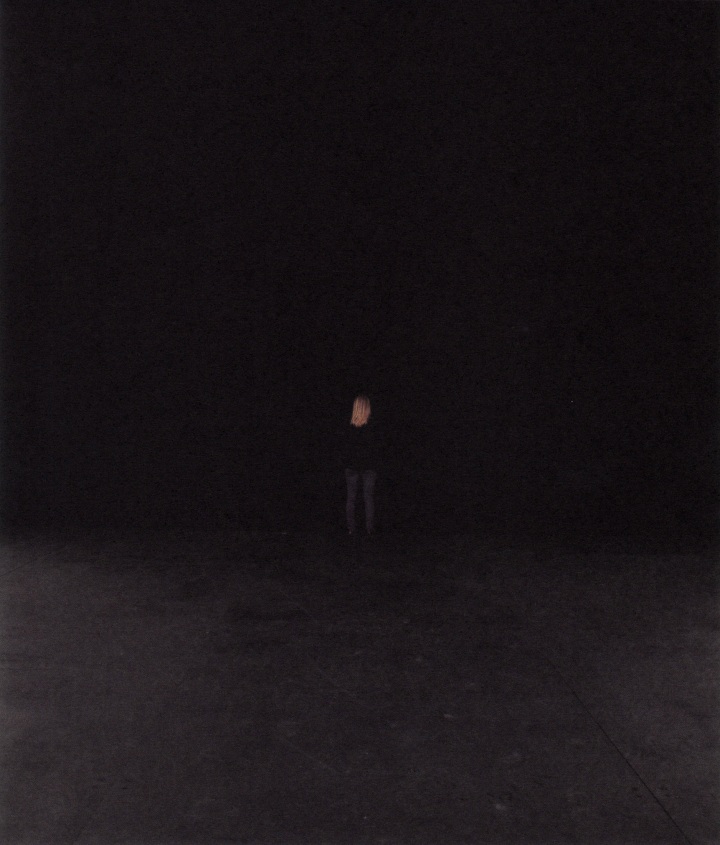
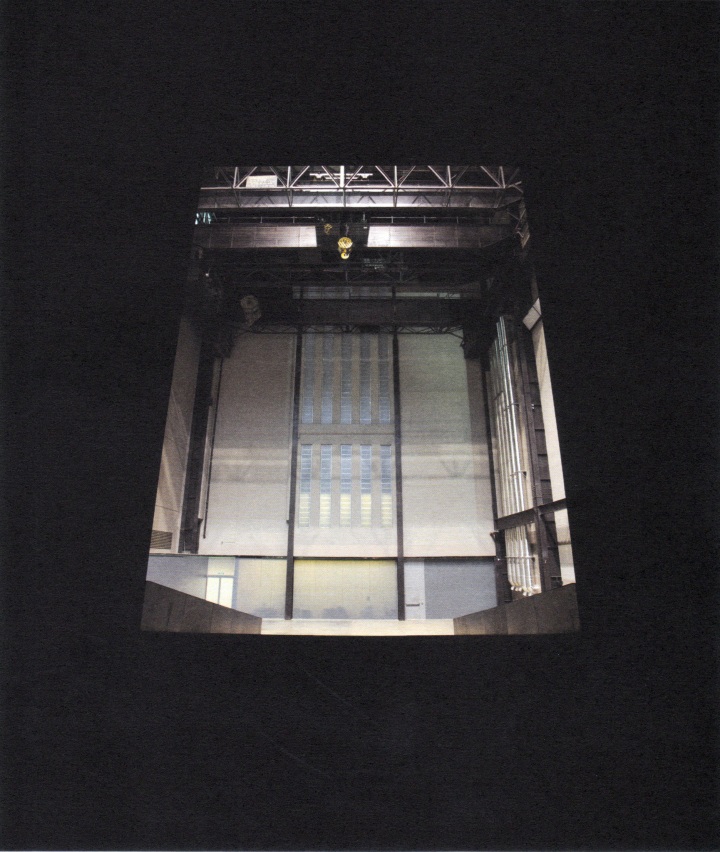
How It Is, 2009 (photography by Sam Irons)
Ancient myths and the pictures of the modern era that are based on these present the domain of Hades – the shadowy realm of the dead or literally darkness, that which we cannot perceive – a place filled with a multitude of terrors. However, it is not portrayed as just another place, as the negative of this world. Particular importance also attaches to the path to Hades, the path into the underworld marked out by the travelers arrival at the river Styx, separating our world from the next, the crossing of the styx in Charon’s barque, and the moment of appearing before the god Hades. The theological, philosophical and psychological meanings of this and other descriptions of this path into death are self-evident. Of necessity they resort to recognizable metaphors to explain something that has never been seen or understood. Real burial grounds, for instance those of the Ancient Egyptians or Neolithic man in Britain, also pay particular attention to the passage from this world to the next, where effort is required to make the journey from light into complete darkness. It is only relatively recently that Balka first contemplated this zone in his work, although there are earlier shades of it here and there that dissipate into the muted twilight that pervades most of his videos. More often darkness is indirectly evoked by somewhat weak lights. Later on, when he coats the walls of the exhibition space with a two-and-a-half-meter high, continuous layer of ash, or makes a long, narrow walkway with twists and turns from simple timber, although he may literally and metaphorically be working his way toward darkness, these pieces are presented in full light of the exhibition space. No so in the case of How It Is. As the viewer approaches, it looks like a huge container, a mighty sculpture with a powerful presence. However, walking round it brings one to something else entirely, and to a sudden halt. A fragment of memory: turning the pages of the philosopher Robert Fludd’s magnum opus of 1617 the readers may find, to their surprise, a large black square taking up much of page twenty-six. ‘Et sic in infinitum’ is inscribed into all four margins of the dark square: ‘And this into infinity’, a something that one cannot imagine. The non-picture comes at the beginning of a chapter about shadows and privatio, a word that translates as both ‘privation’ and ‘liberation’. Cut. The back wall of the colossal container has been lowered, forming a ramp into the darkness. What wonder or beats await us inside? Will we have the curiosity and calm determination of János in Béla Tarr’s movie Werckmeister Harmonies to pursue the unknown, in astonishment, or will we gaze at it from the outside, uninvolved and suspicious? The steel room is large enough for its depths to be shrouded in mystery as we enter, but it is also wide enough to move about freely inside it – alone or with others. It is not pitch black inside, just increasingly dark; turning around we can still see the outside. The mise-en-scene of the unknown is overwhelming, but not because the Turbine Hall where it is placed would dwarf any smaller structure. The fact is that might raised up steel body – as tall as a house – corresponds in size to our inner sense of the unknown, of the limits of life. The effort and huge amount of material that went into making it were necessary to convey the notion, the fear, the black block that weighs us down on the last path. The sculpture had to become almost absurdly large in order to give a true sense of the threat that looms at us in the shape of the last wall in the realms of our imagination. However, when one in fact enters the black box, there is no climax to this sense of the overwhelmingly uncanny, instead there is a kind of gradual dis-illusion as one becomes accustomed to the darkness, an insight into ‘how it is’. Privatio: deprived of the certainty of life yet also liberated from the fear? The black container is a paradox. It has the dimensions of fear and is large enough to accommodate a social event, but it also has the intimacy of an individual thought and the normality of a single life.
Julian Heynen (Translated by Fiona Elliott)
___
How It Is
Miroslaw Balka : Zygmut Bauman : Julian Heyene : Paulo Herkenhoff : László Krasznahorkai : Helen Sainsbury
Tate Publishing
2009
___
Tate Channel: The Unilever Series: Miroslaw Balka
R
Earth on Fire | Bernhard Edmaier
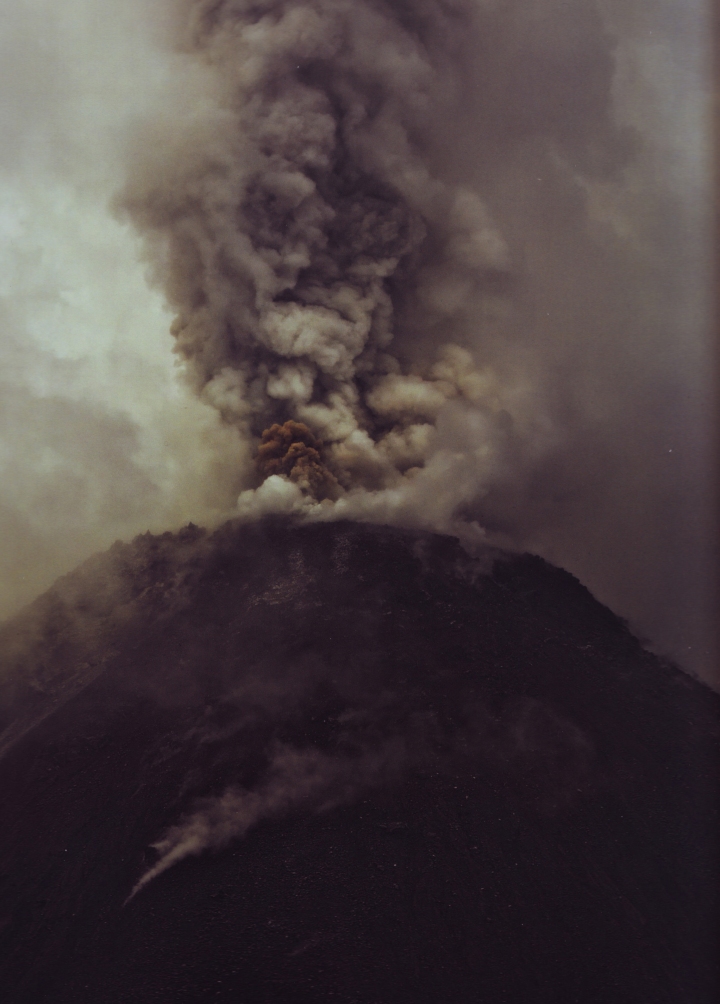
Santiaguito, Guatemala.
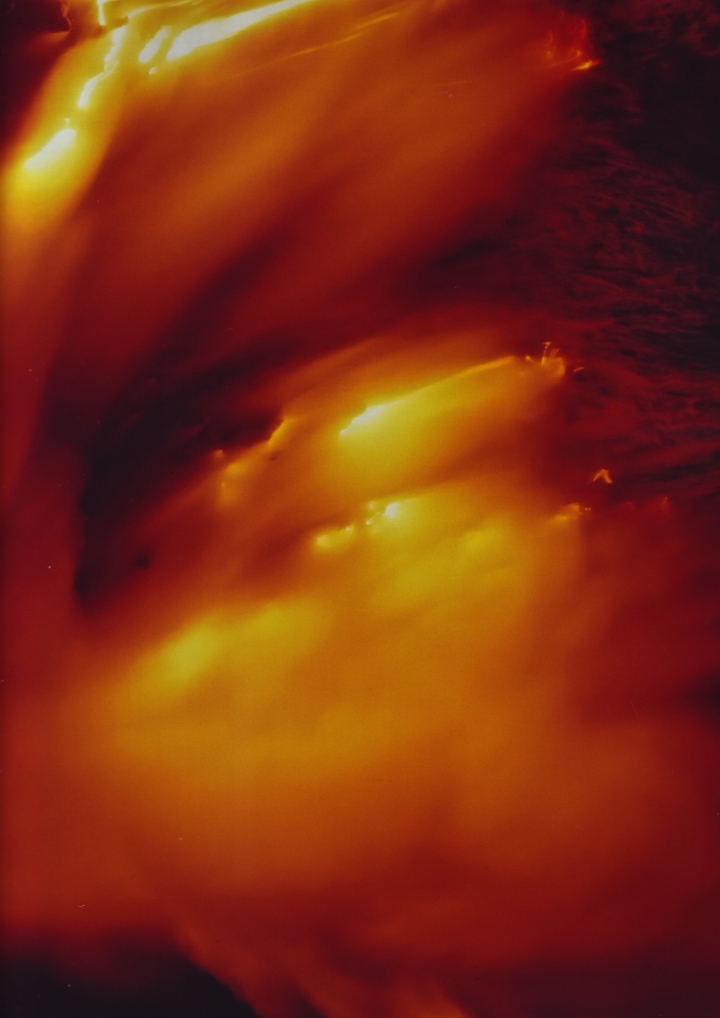
Kilauea (Big Island), Hawaii.
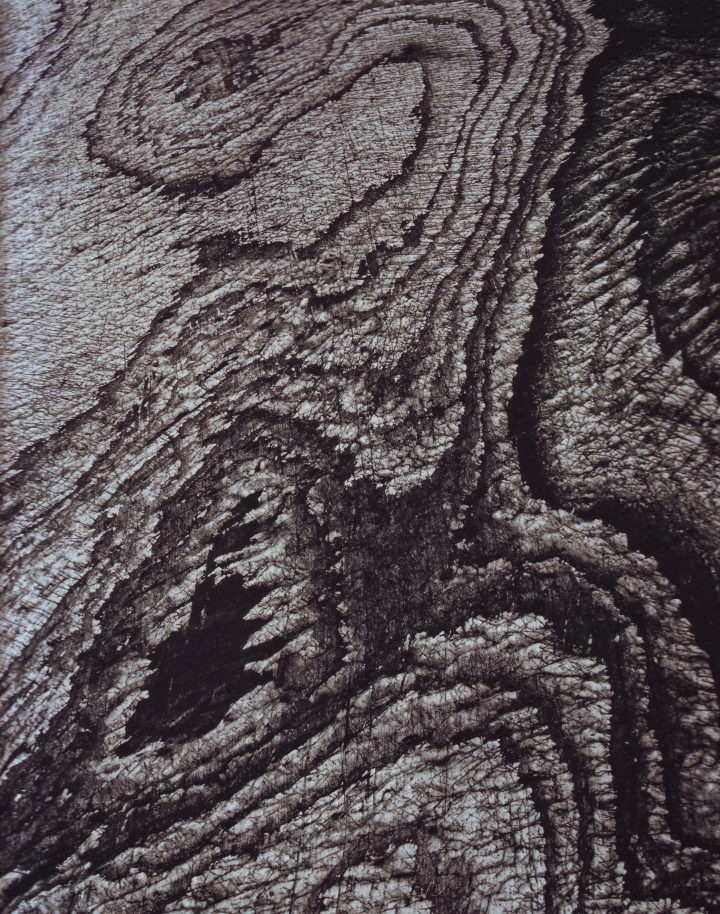
Skeiðarárjökull, Iceland.
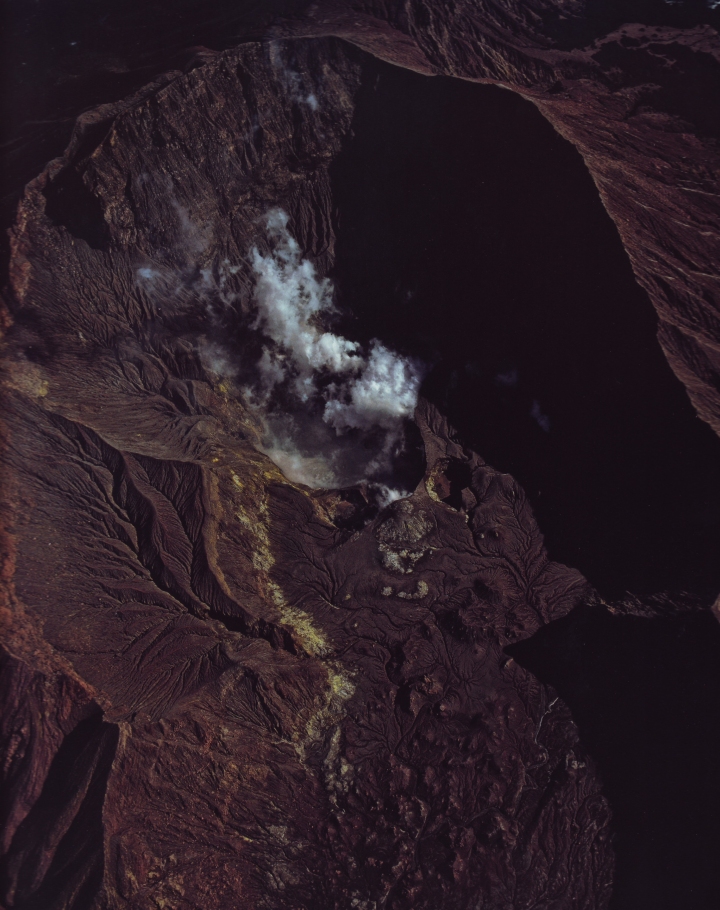
White Island, New Zealand.
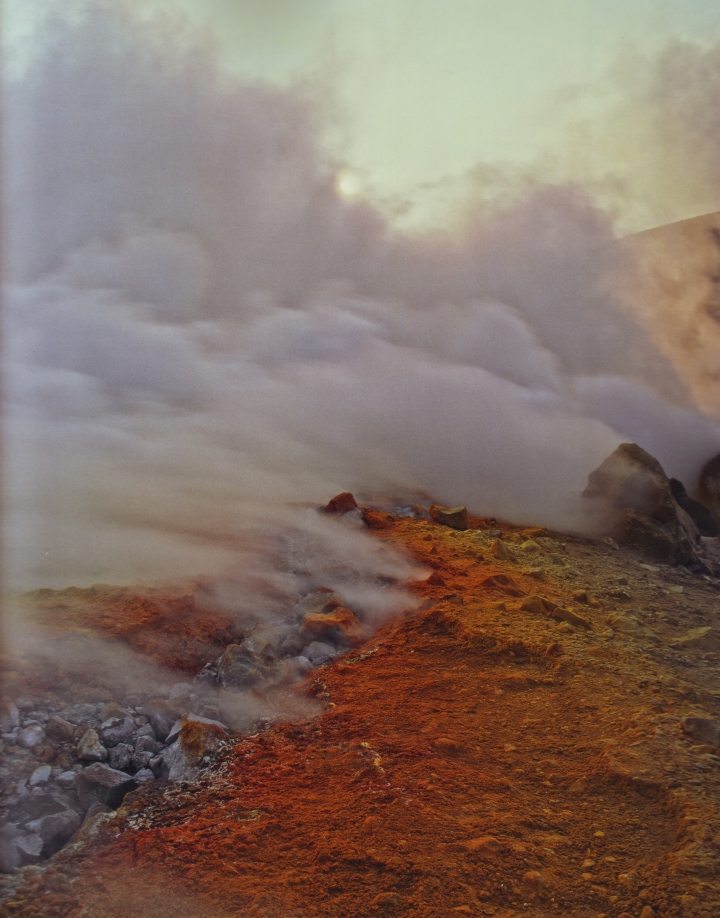
Fossa Crater (Aeolian Islands), Italy.
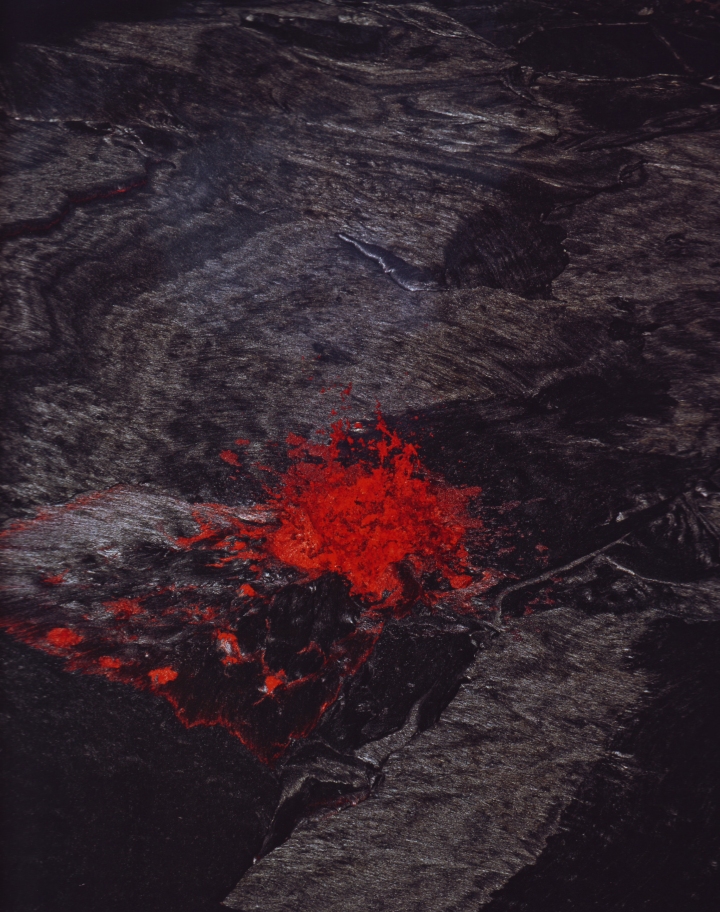
Erta Ale, Ethiopia.

Landeyjarsandur Estuary, Iceland.
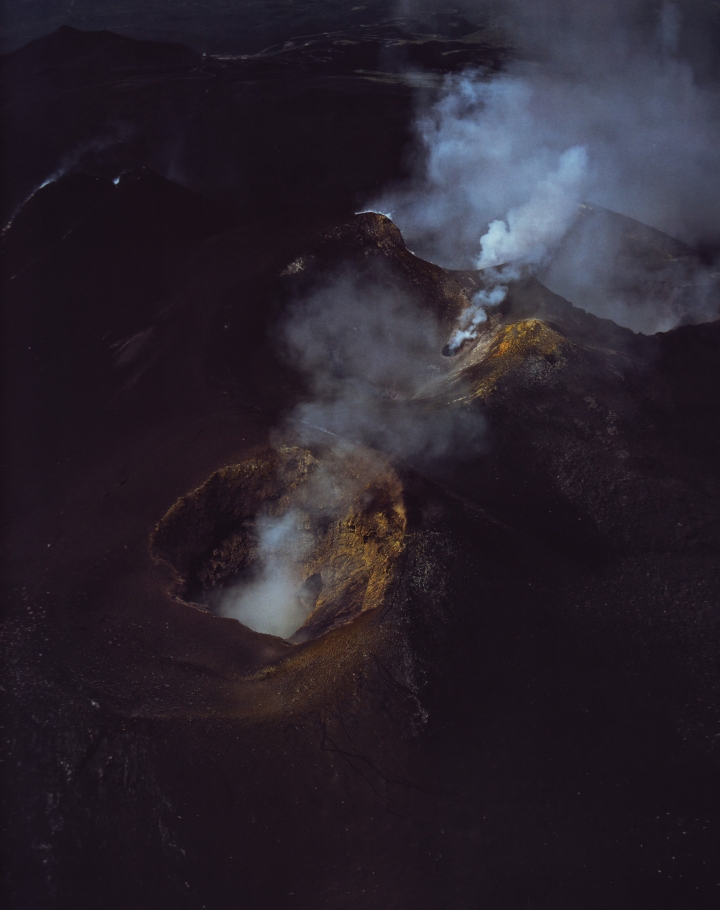
Mount Etna, Italy.
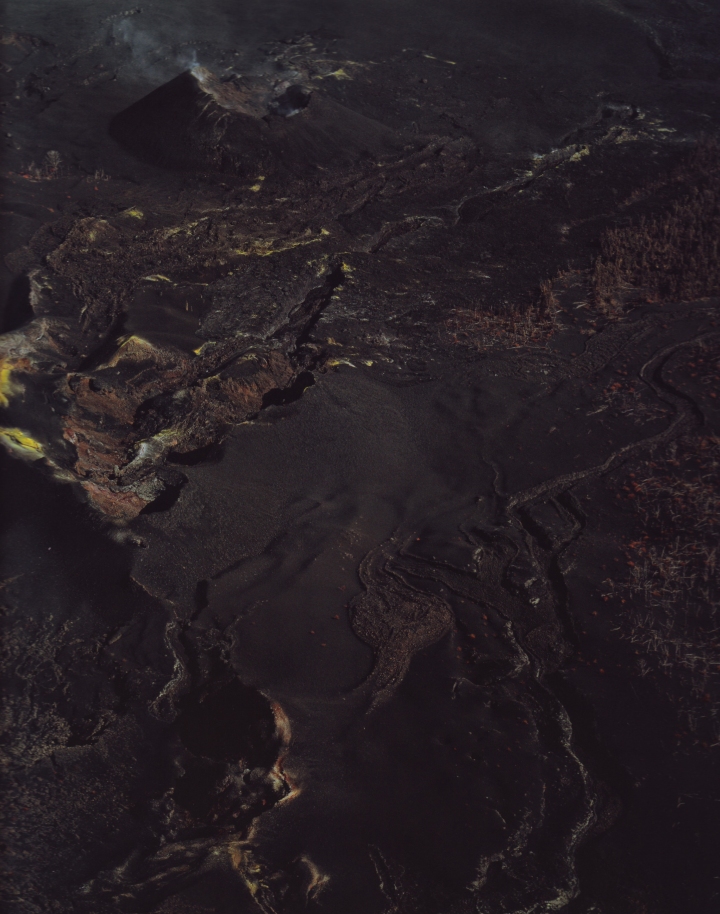
Nyamulagira, Democratic Republic of Congo.
___
Earth on Fire
Bernhard Edmaier
Phaidon Press Inc.
2009
___
A
Himmel-Herde | Anselm Kiefer
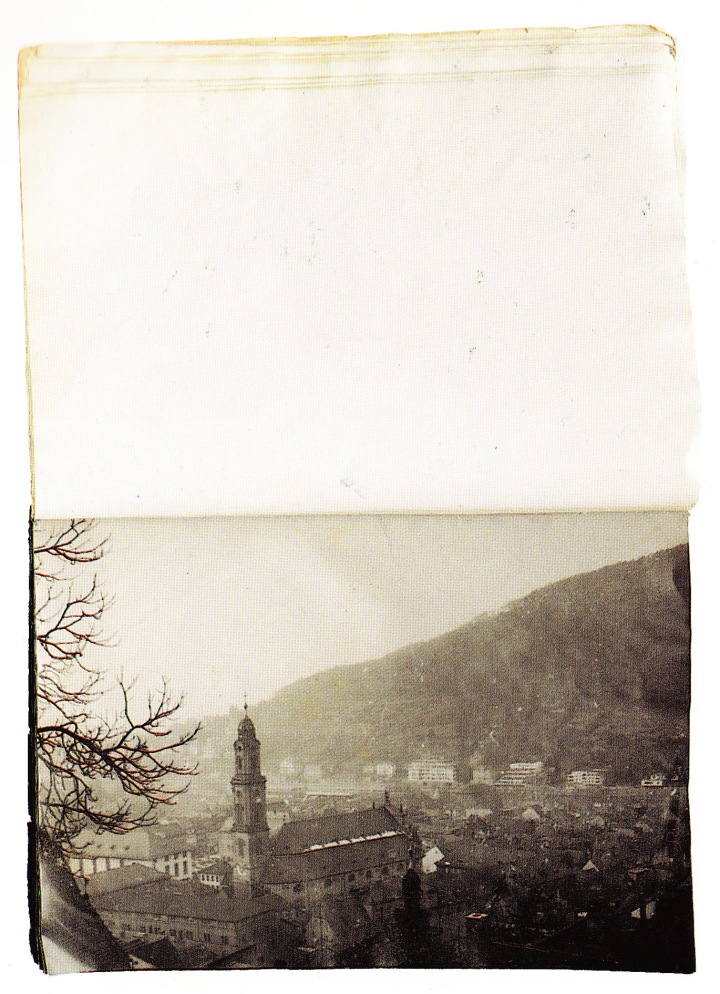
Die Überschwemmung Heidelbergs I, 1969

Die Überschwemmung Heidelbergs I, 1969
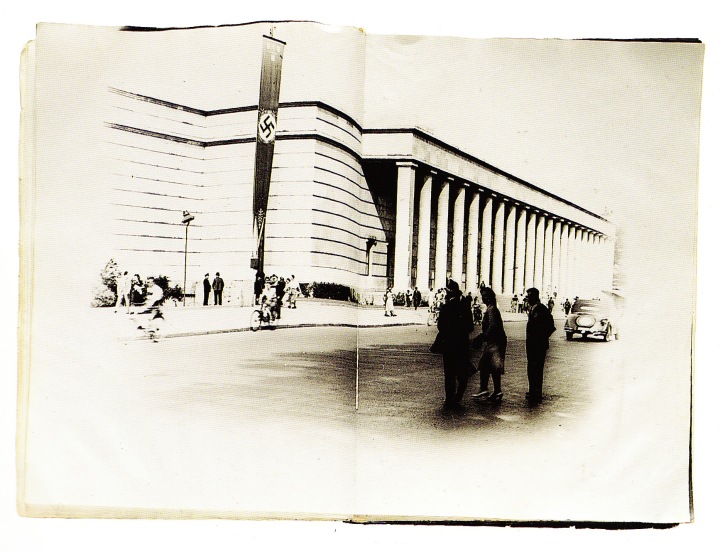
Die Überschwemmung Heidelbergs I, 1969
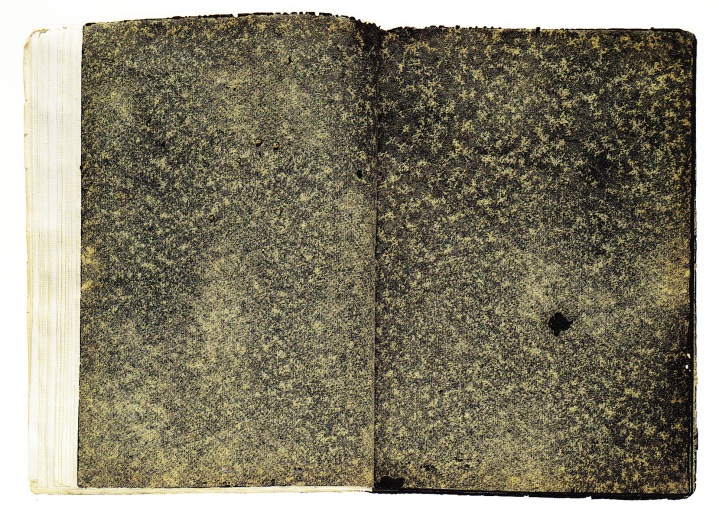
Die Überschwemmung Heidelbergs I, 1969
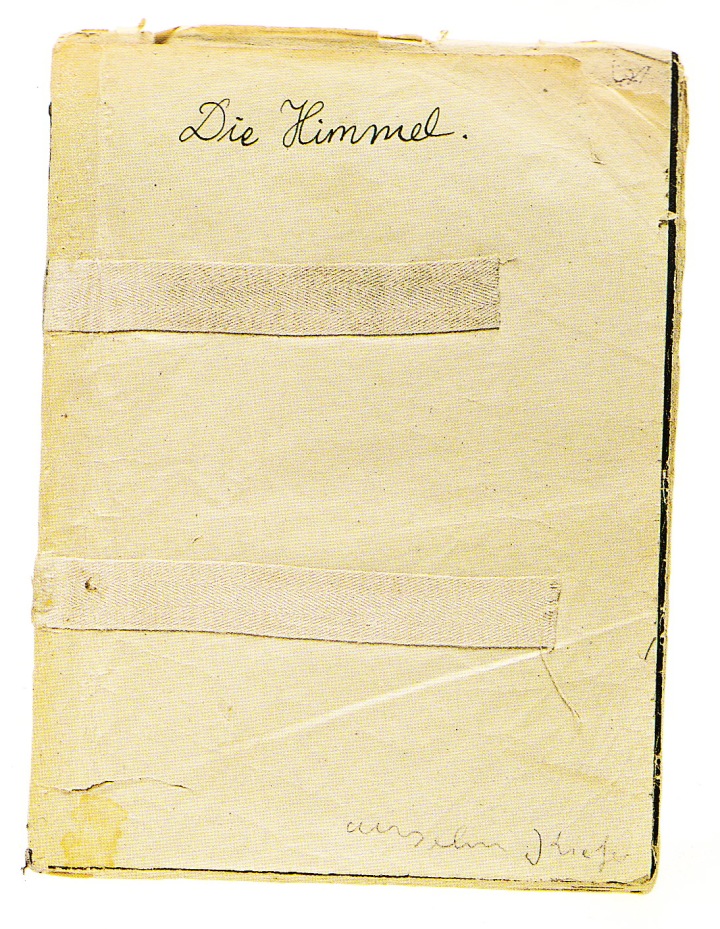
Die Himmel, 1969
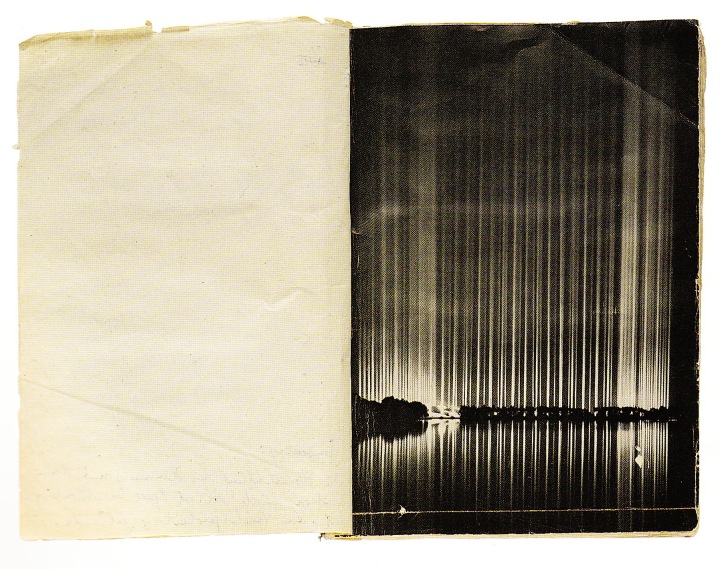
Die Himmel, 1969
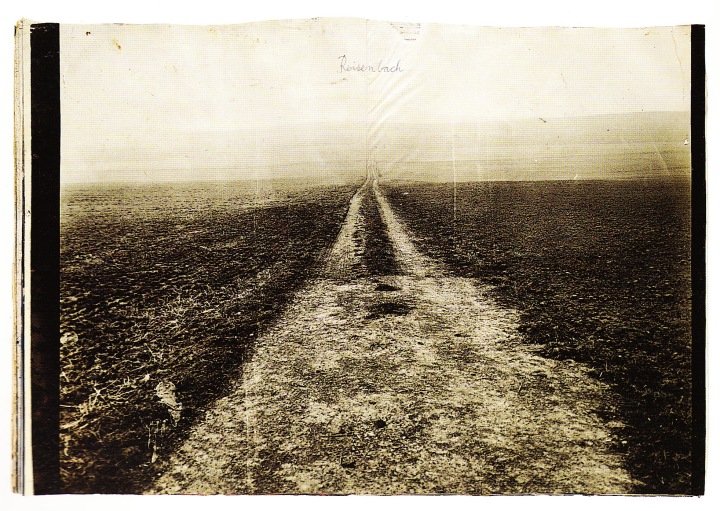
Ausbrennen des Landkreises Buchen, 1974
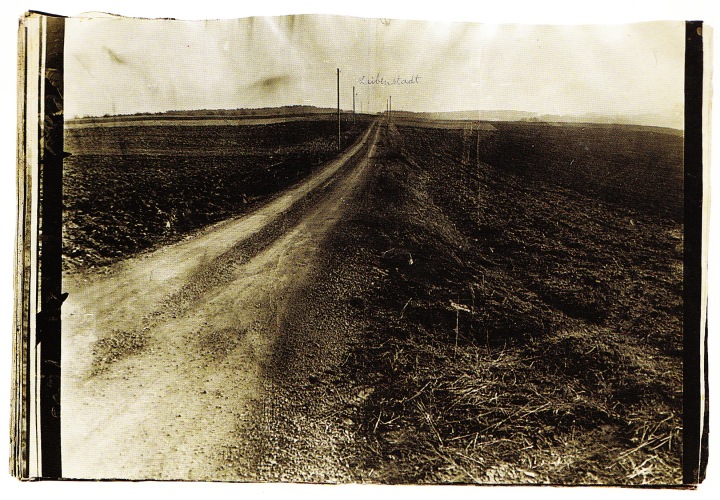
Ausbrennen des Landkreises Buchen, 1974
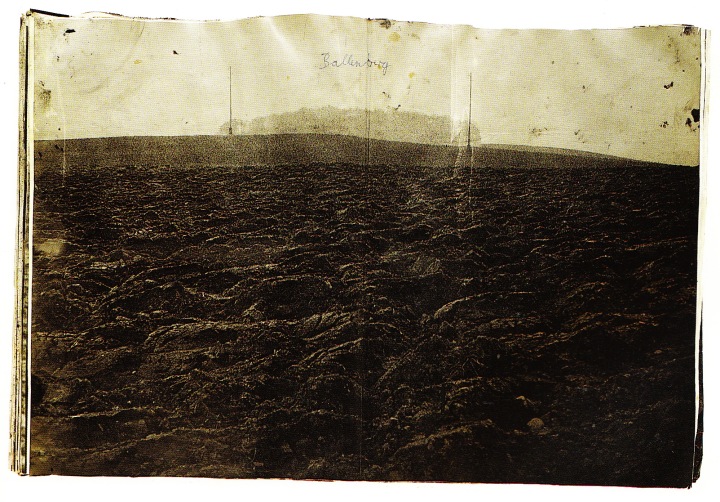
Ausbrennen des Landkreises Buchen, 1974
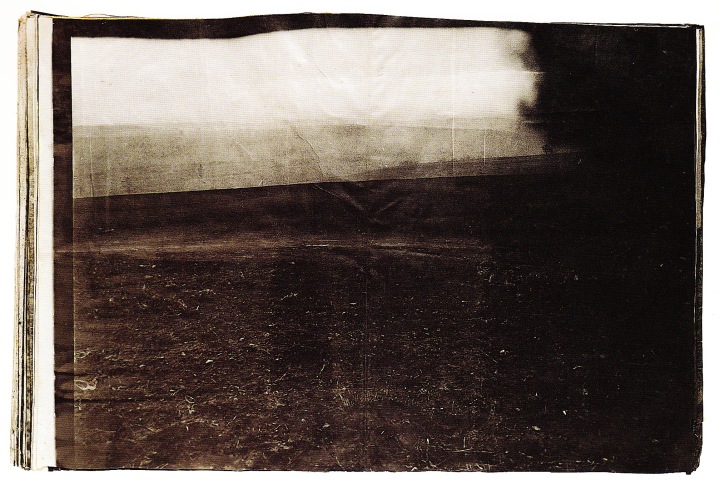
Ausbrennen des Landkreises Buchen, 1974
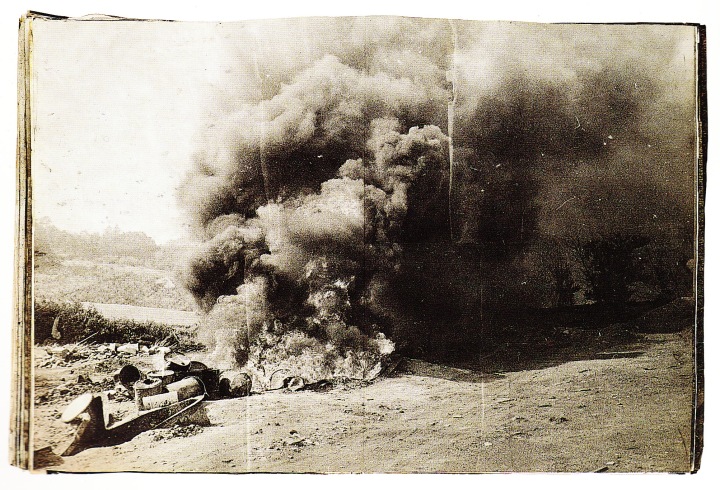
Ausbrennen des Landkreises Buchen, 1974
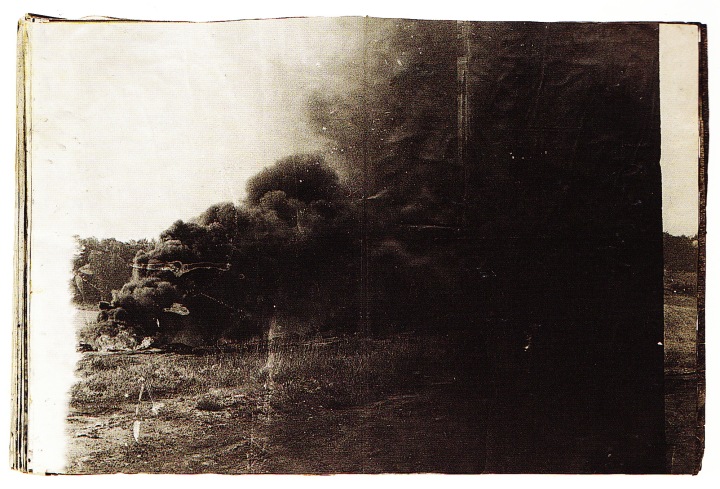
Ausbrennen des Landkreises Buchen, 1974
Ausbrennen des Landkreises Buchen, 1974
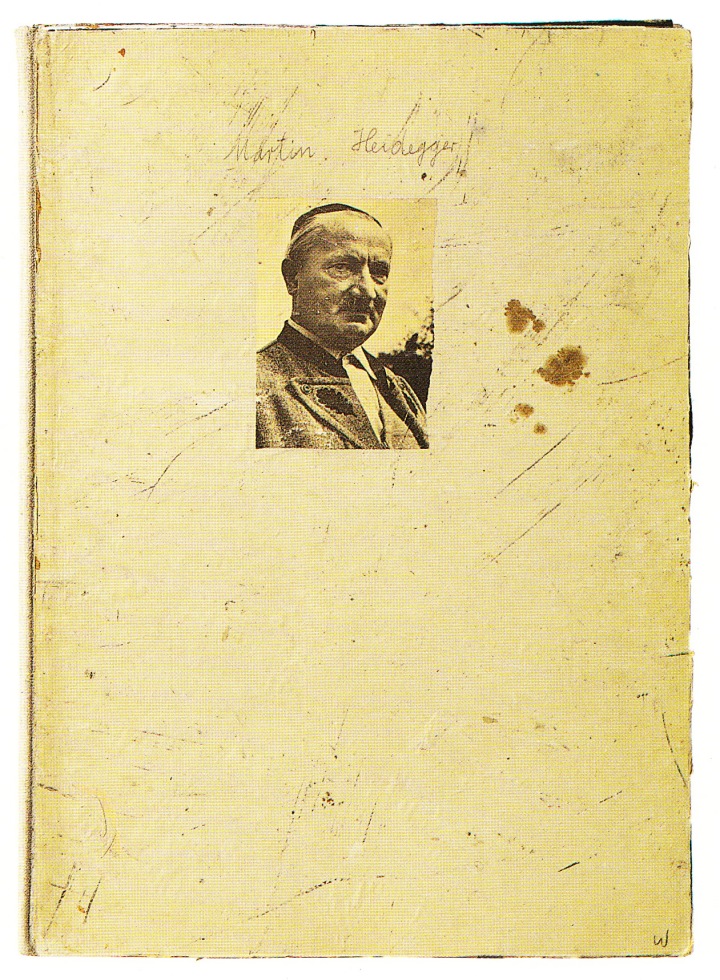
Martin Heidegger, 1976
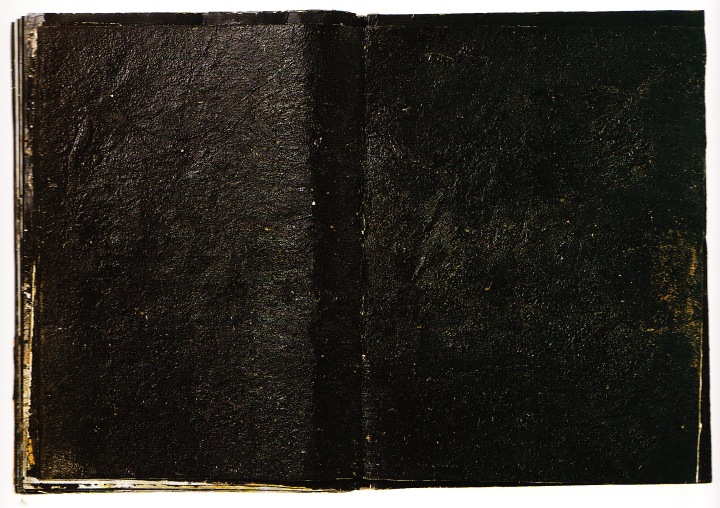
Martin Heidegger, 1976
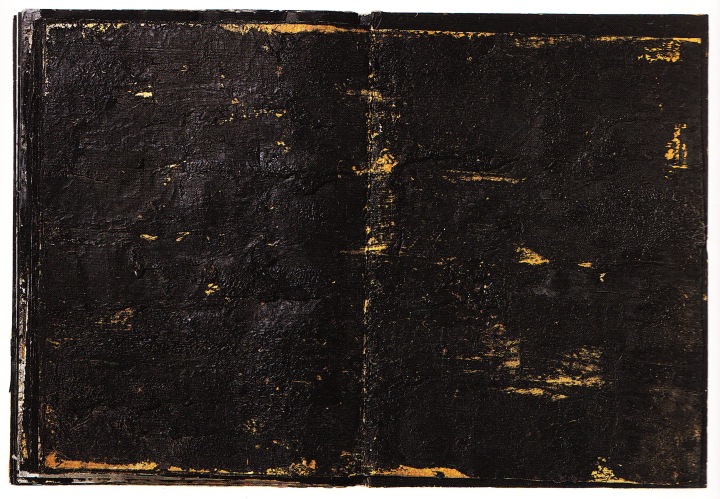
Martin Heidegger, 1976
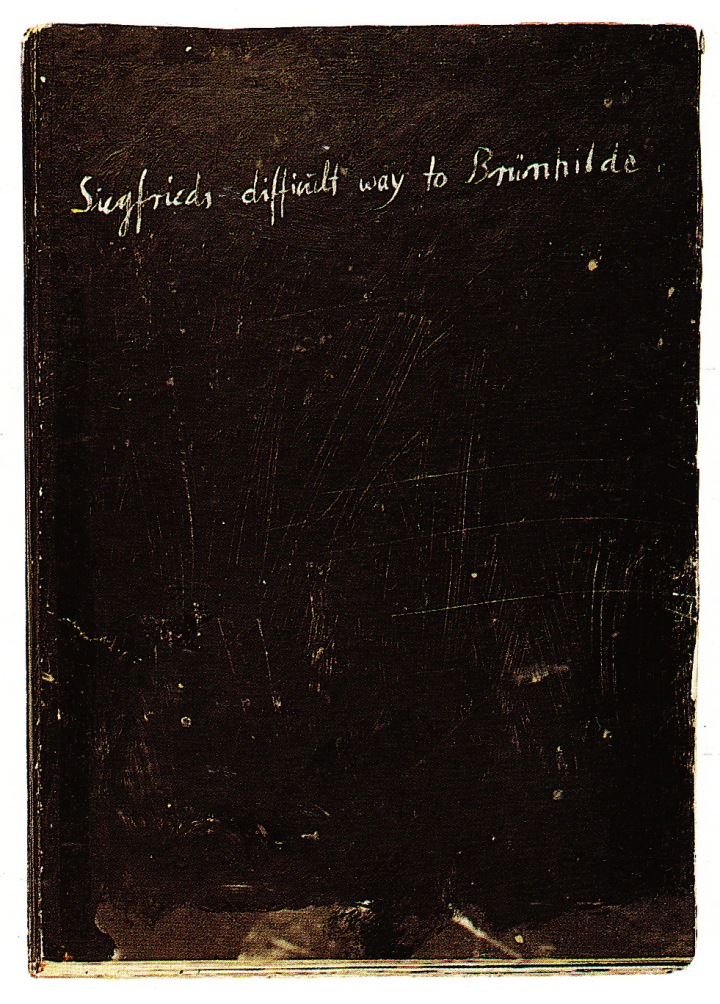
Siegfried’s Difficult Way to Brunhilde, 1977

Siegfried’s Difficult Way to Brunhilde, 1977
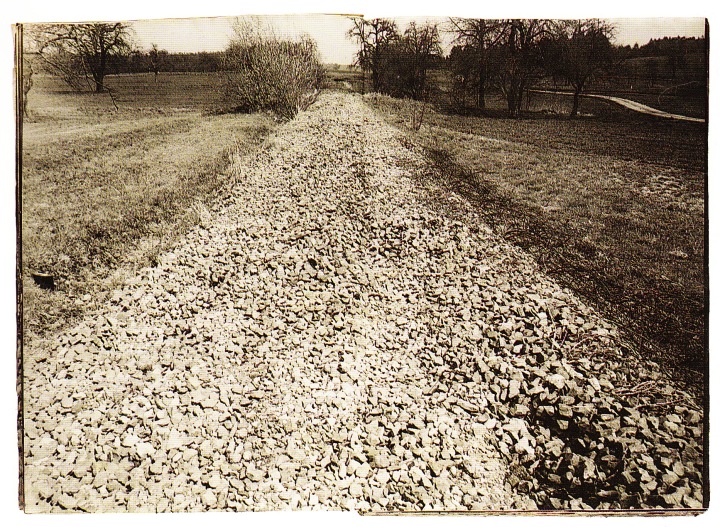
Siegfried’s Difficult Way to Brunhilde, 1977
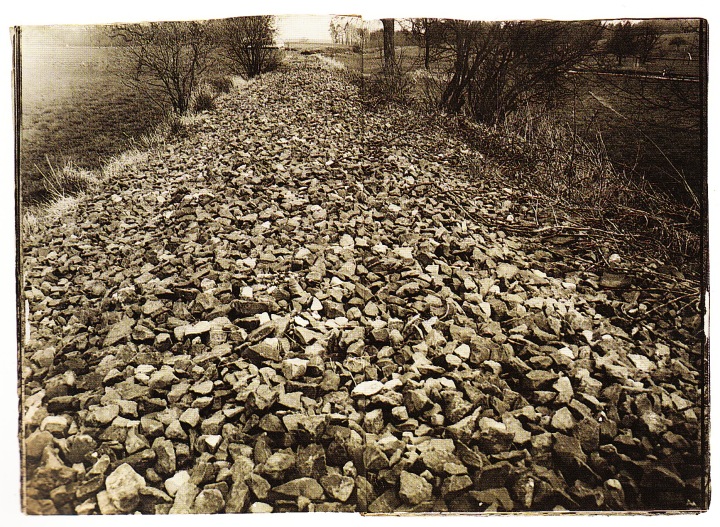
Siegfried’s Difficult Way to Brunhilde, 1977
When, in order to adapt to his destiny as an artist, Anselm Kiefer attempts to throw himself open to a dimension larger than himself, he does not retreat in the face of a force that may overwhelm and daunt him. He allows himself to be possessed and swept away by it, to become the arbiter of a challenge which ultimately implies the construction of the formal energy of art. To let ourselves be overwhelmed means to agree to be impregnated and to mediate that which submerges and overtakes us: to discover ourselves in order to discover. The artist, like the poet, eludes any system, whether good or bad, religious or moral: he negates himself, dies in favour of an unknown and indefinable force, and aspires to establish the right relationship with forms and their origins. He wants to succumb to their primacy and lets himself be shattered and overwhelmed not for any banal or general reason, whether it be ideological or sociological, anonymous or impersonal, but only for one exceptional reason: the survival of the language of art.*
*The Destiny of Art: Anselm Kiefer by Germano Celant.
___
Himmel-Herde : Anselm Kiefer
Massimo Cacciari : Germano Celant : Gabriele Nason : Emanuela Belloni
Edizioni Charta
1997
___
B
BLACKMETALCYTWÖMBLY / Volumes I, II & III | Andrew McLeod
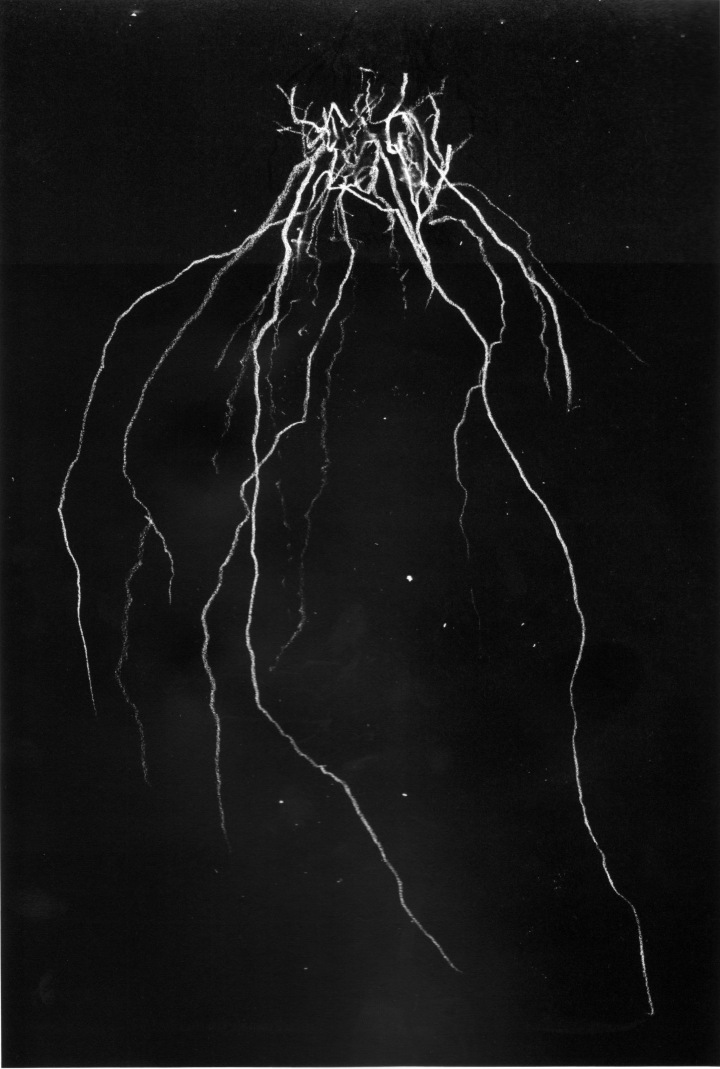


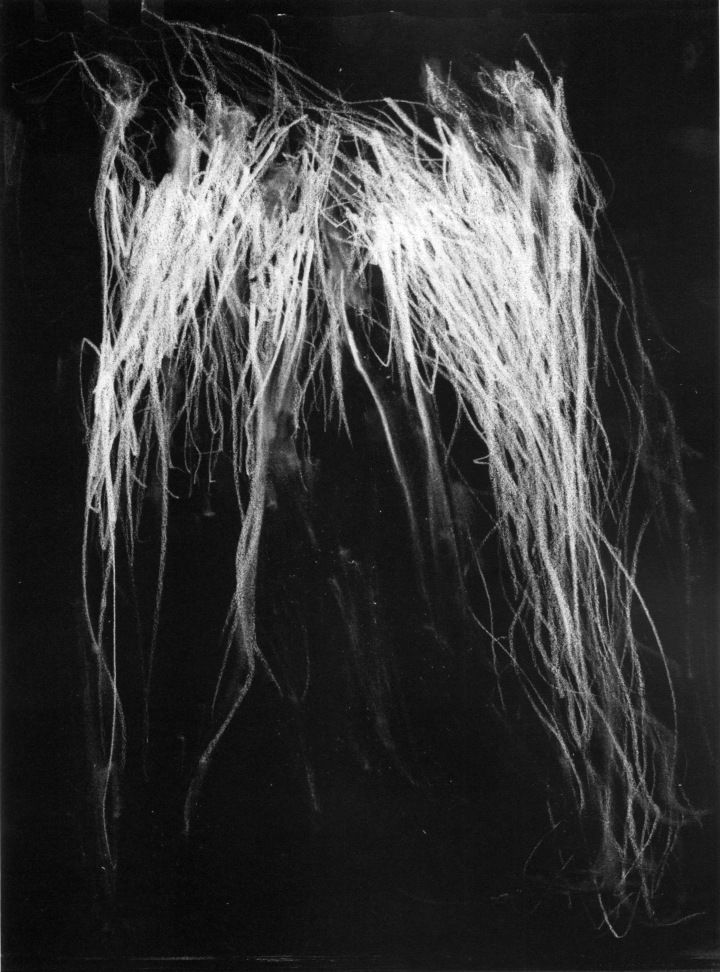
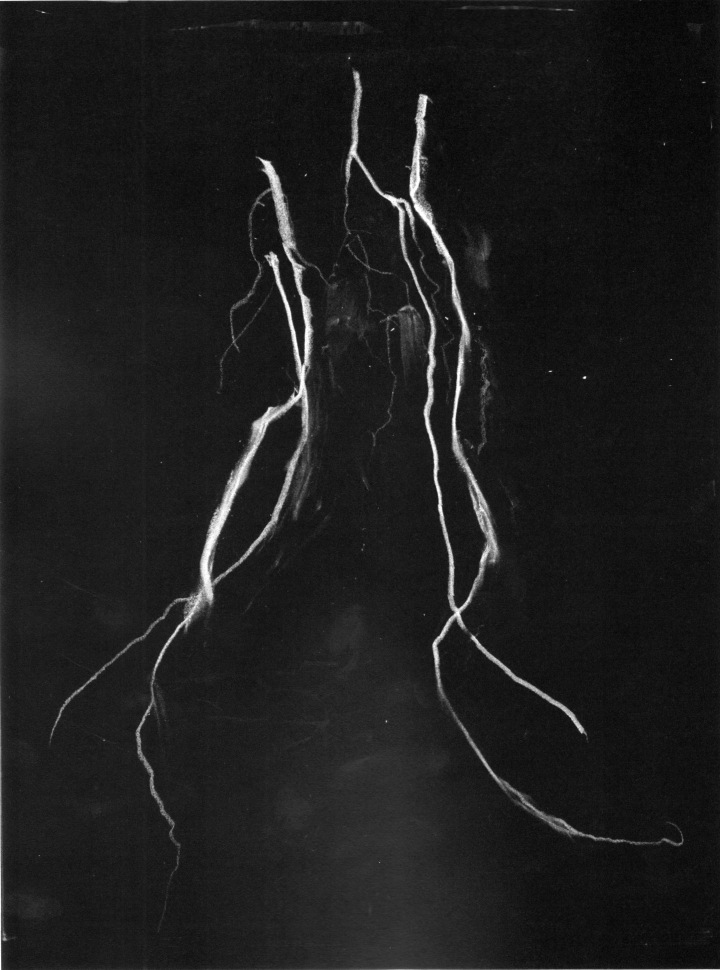
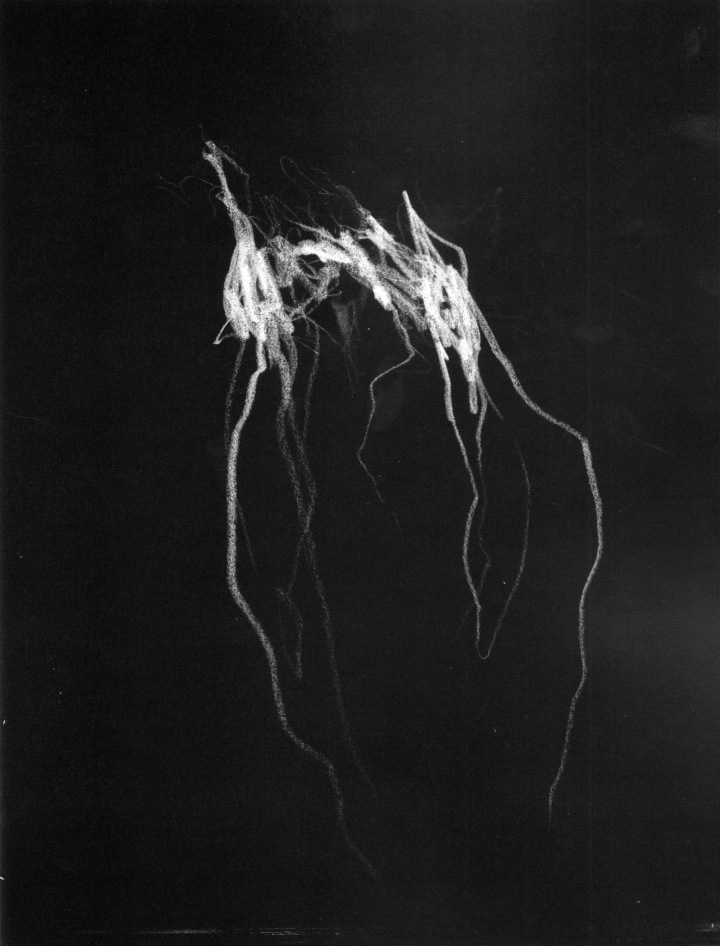
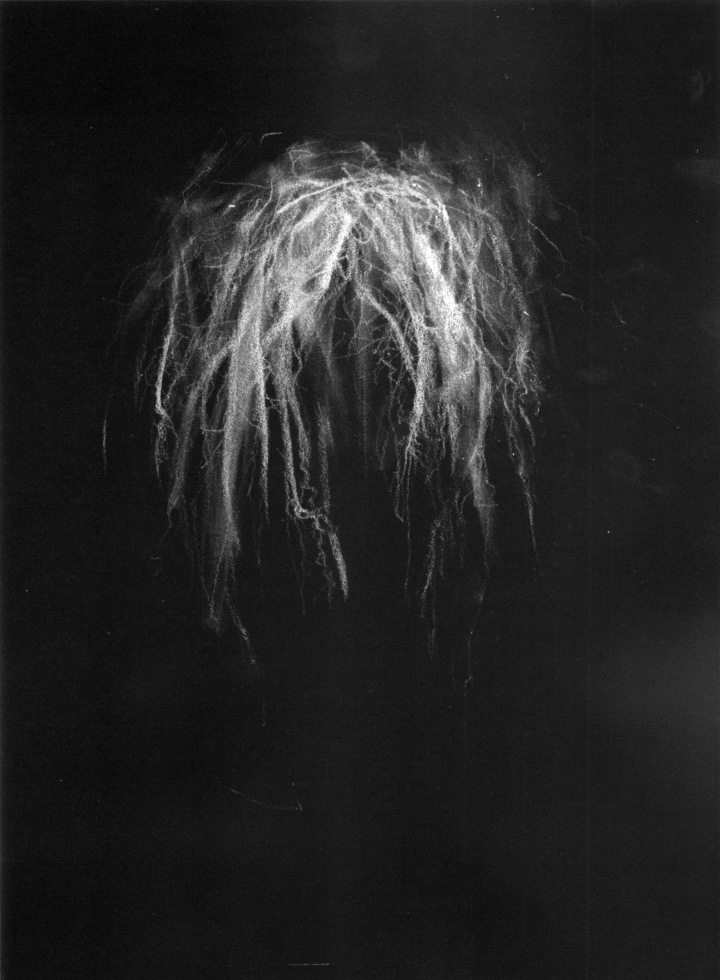
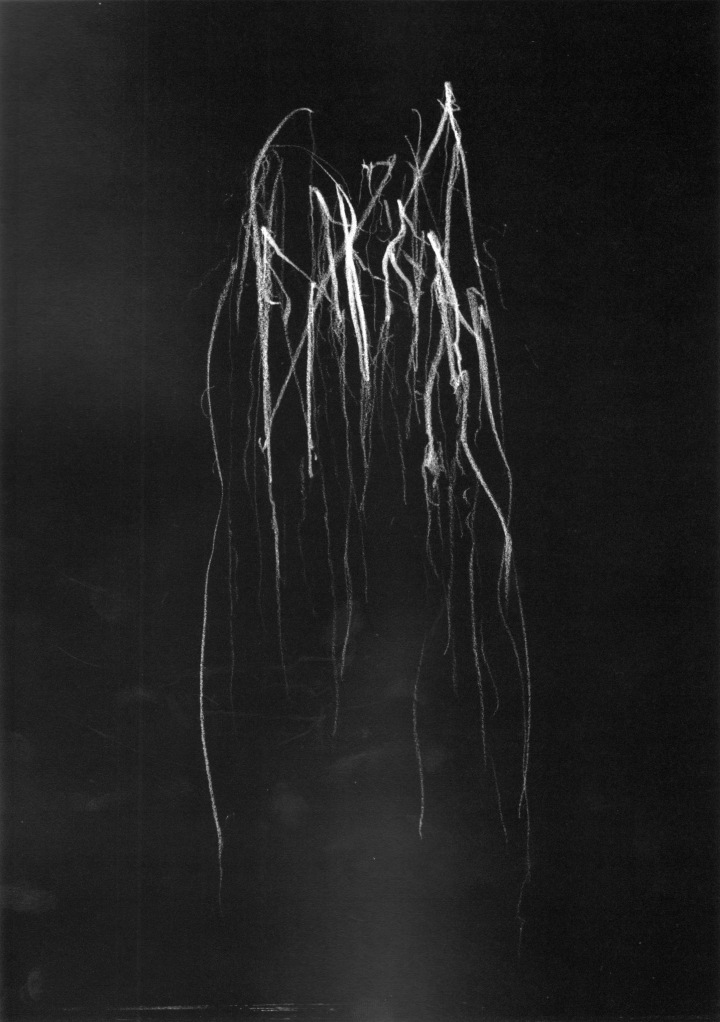
BLACKMETALCYTWÖMBLY / Vol. I, 2010 (unpaginated)
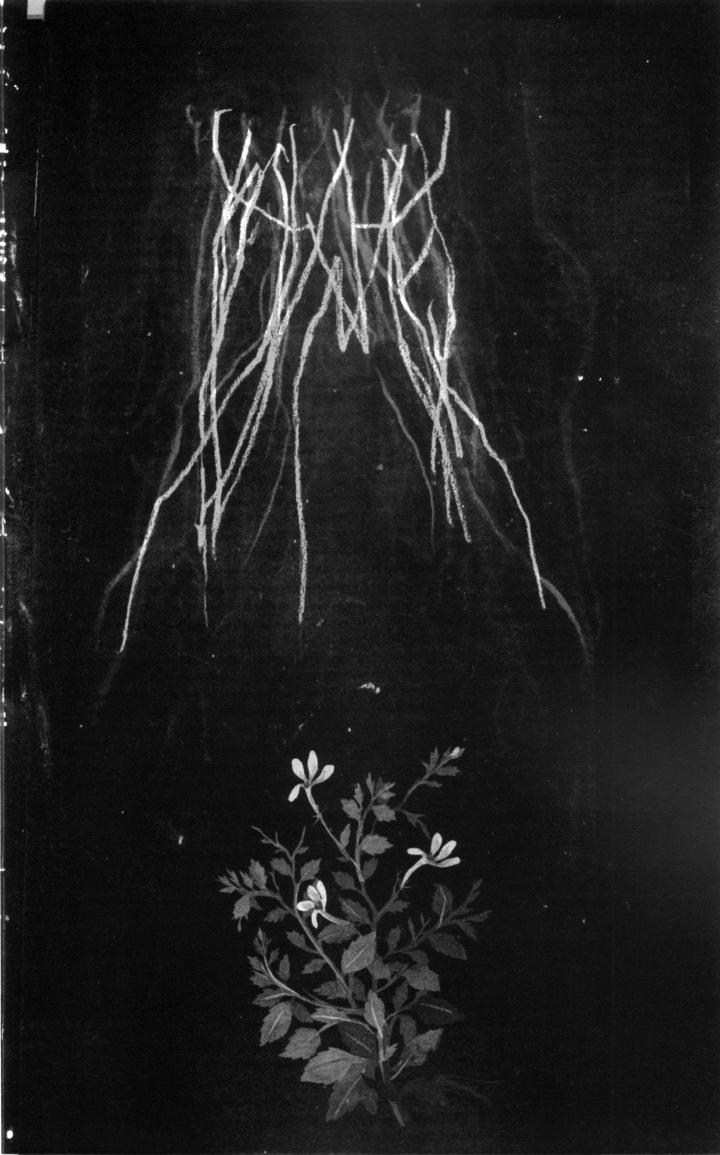
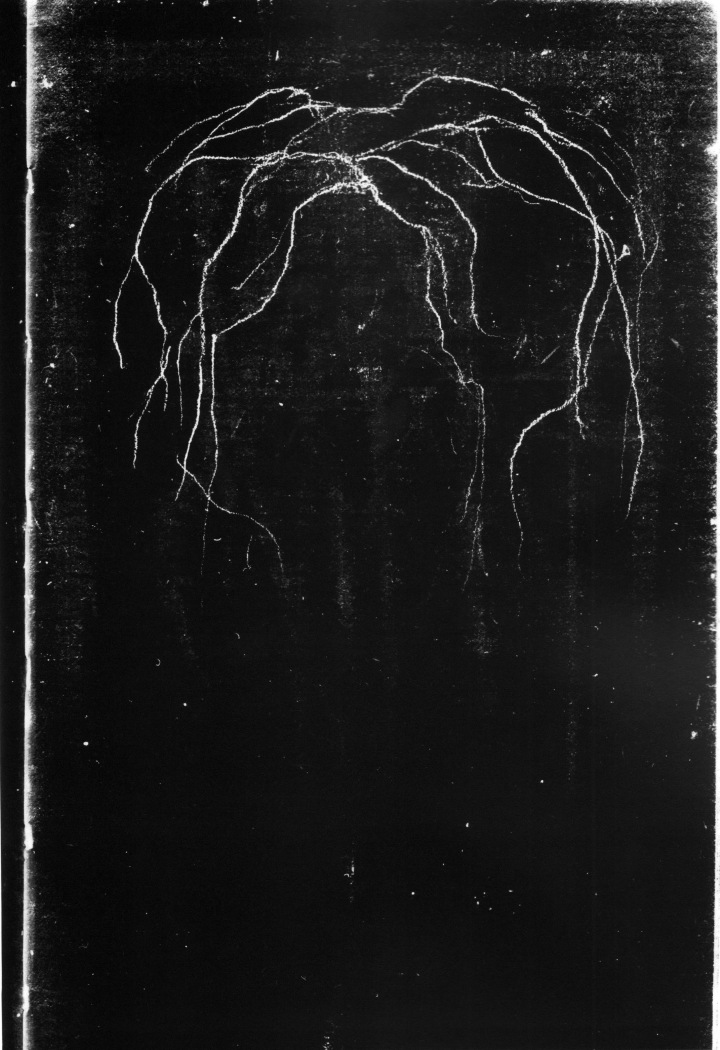

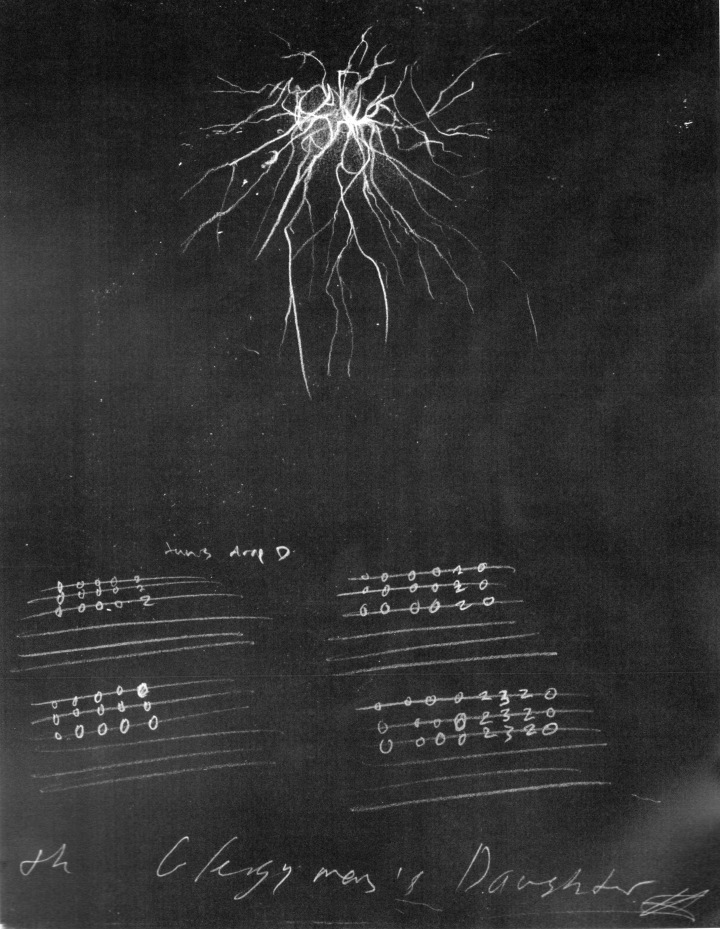
BLACKMETALCYTWÖMBLY / Volume II, 2010 (unpaginated)
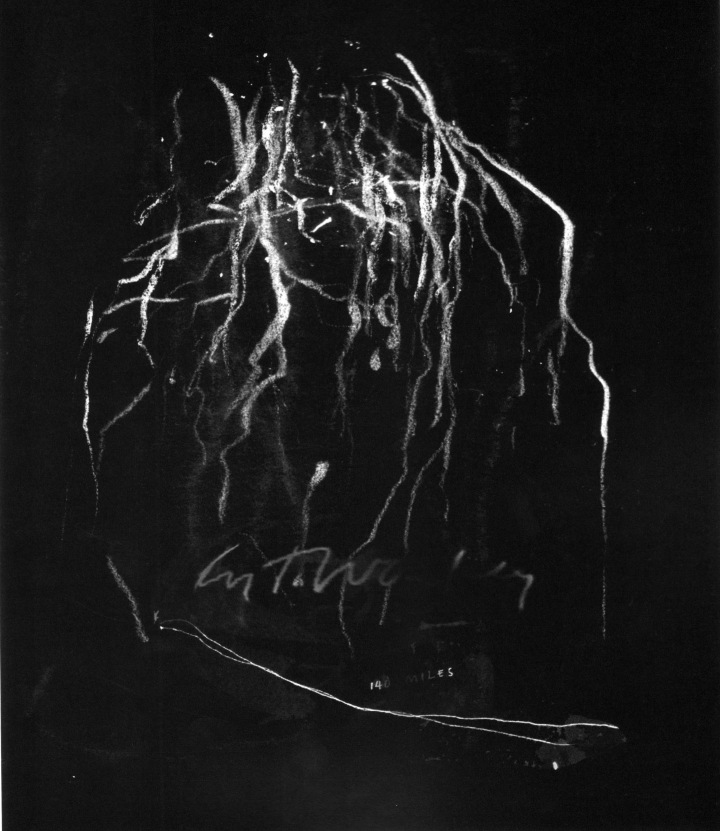
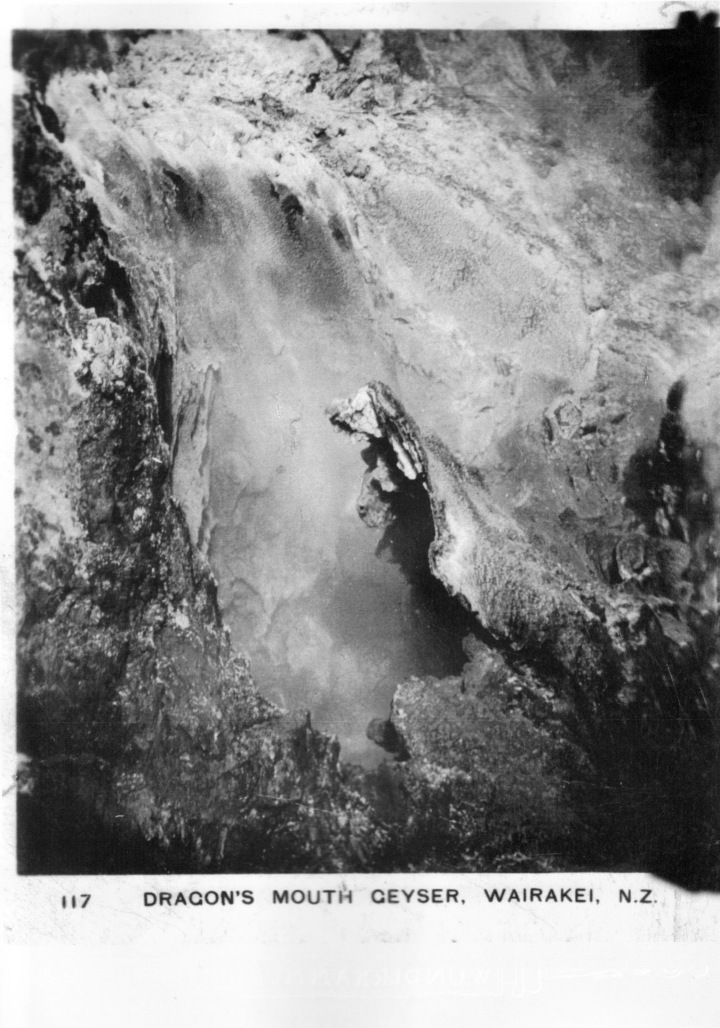
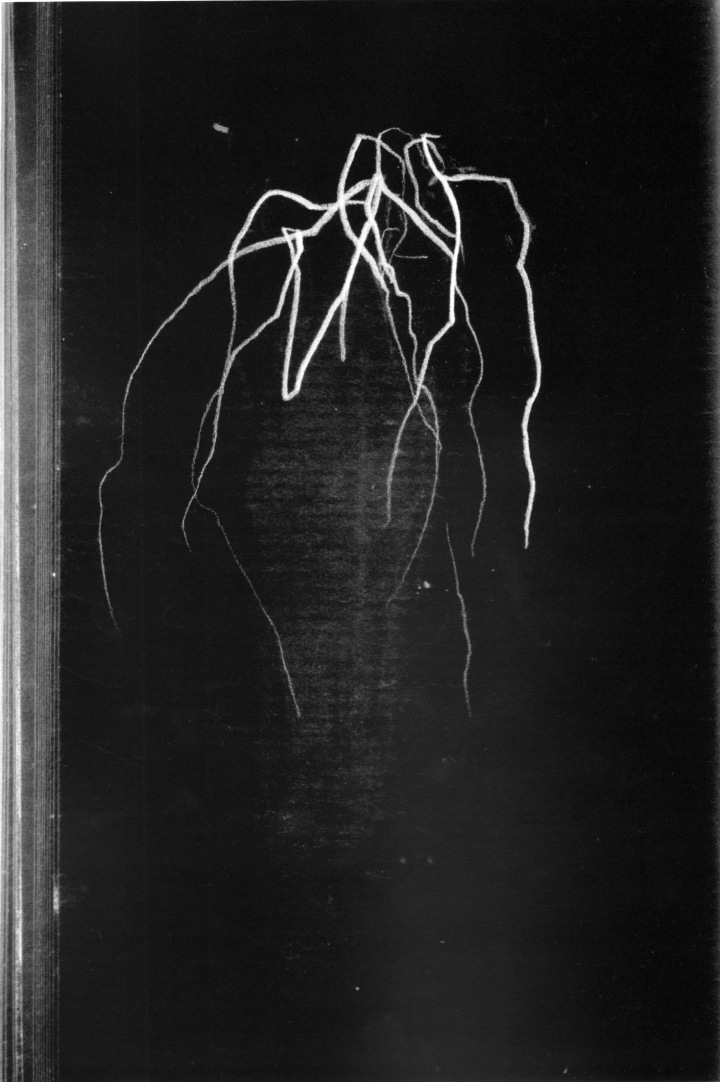
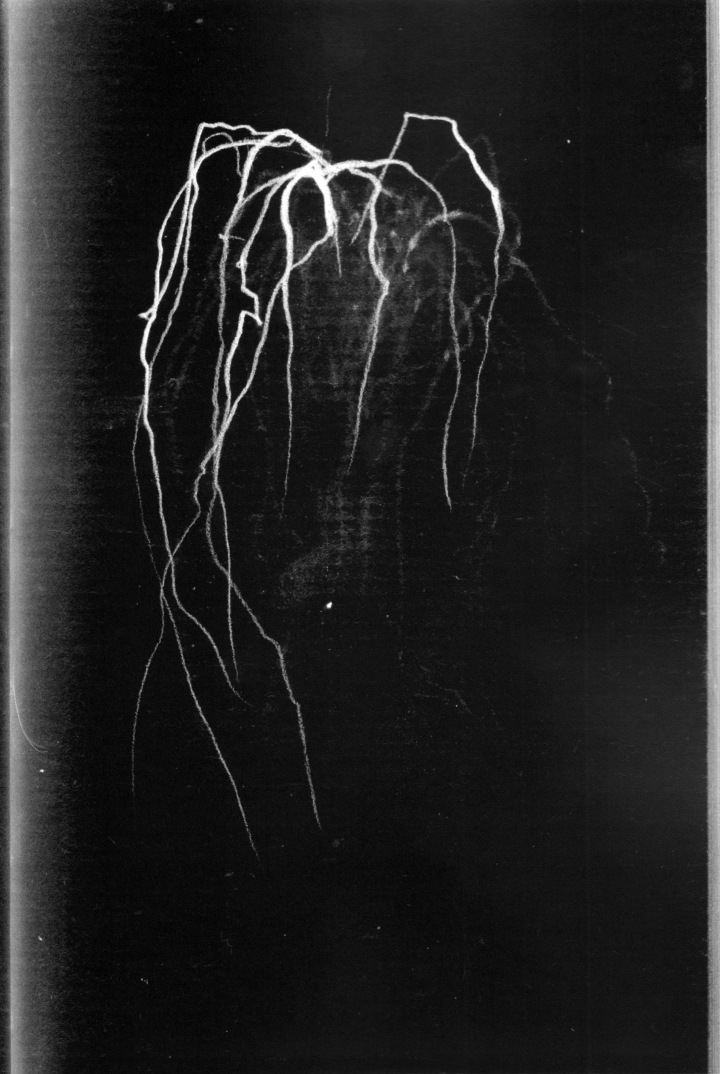
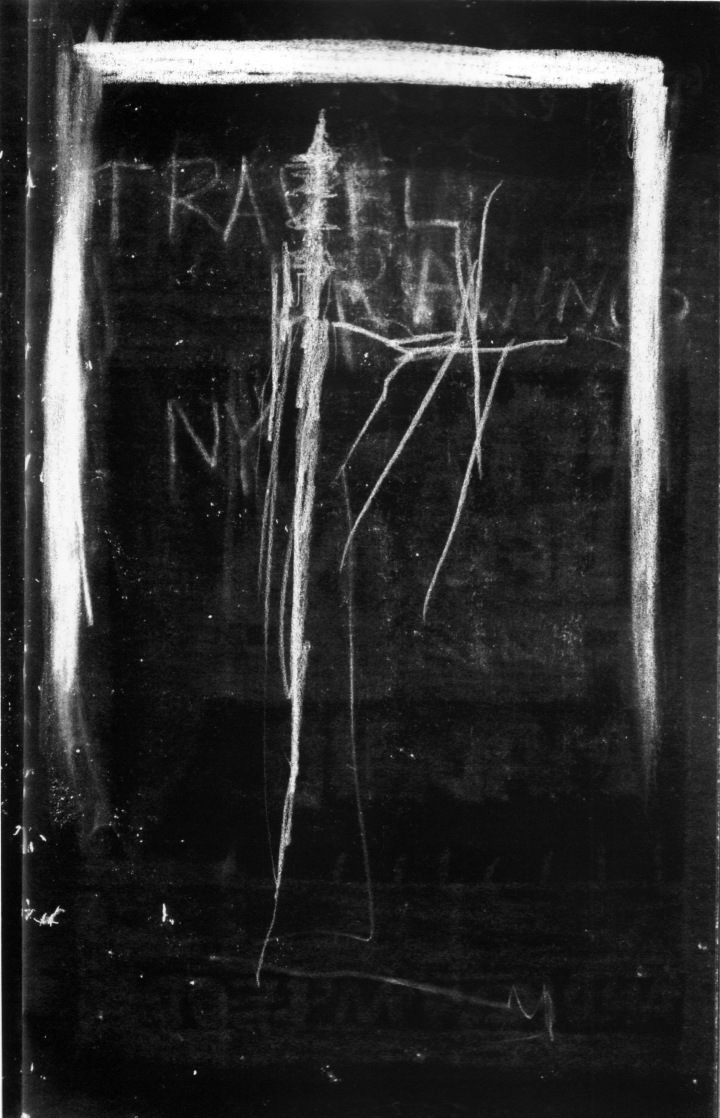
BLACKMETALCYTWÖMBLY / Volume III, 2010 (unpaginated)
___
BLACKMETALCYTWÖMBLY / Volumes I, II & III
Andrew McLeod
2010
___
R
Windfall Light | The Visual Language of ECM
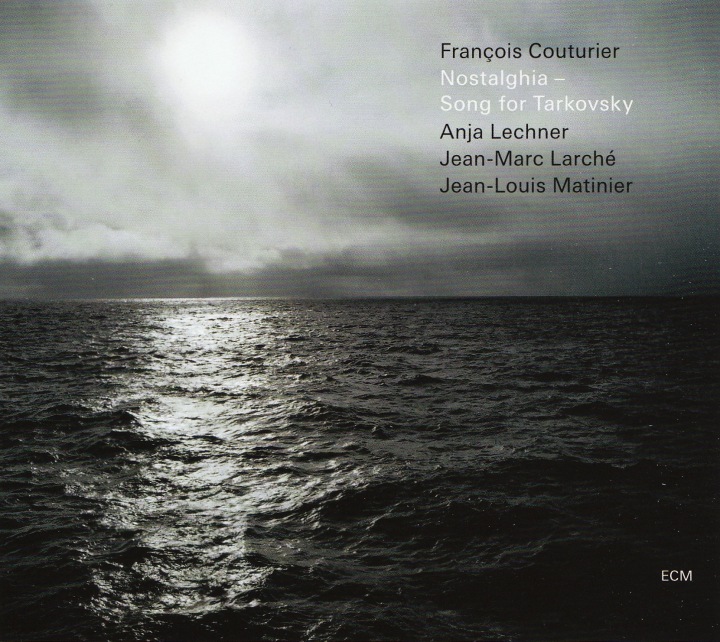
ECM 1979. Photograph by Christopher Egger
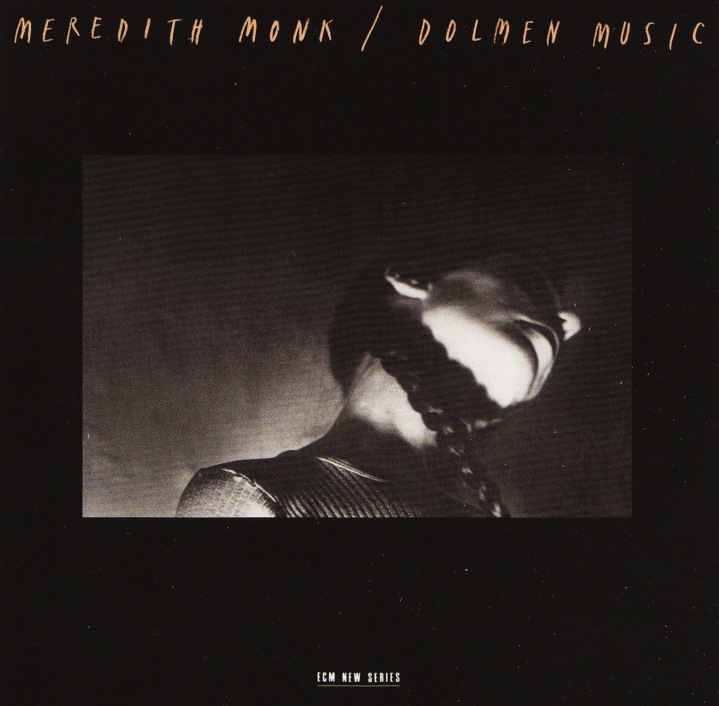
ECM New Series 1197. Photograph by Sarah Van Ouwekerk
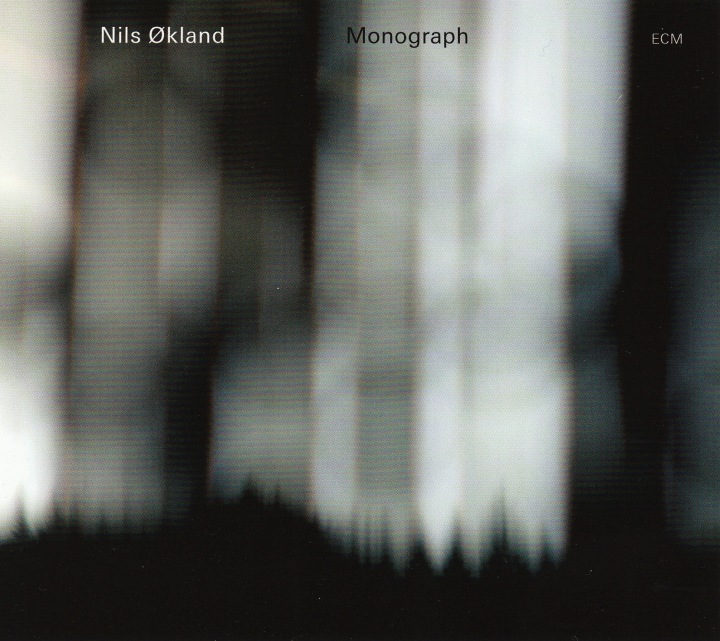
ECM 2069. Photograph by Jan Kricke
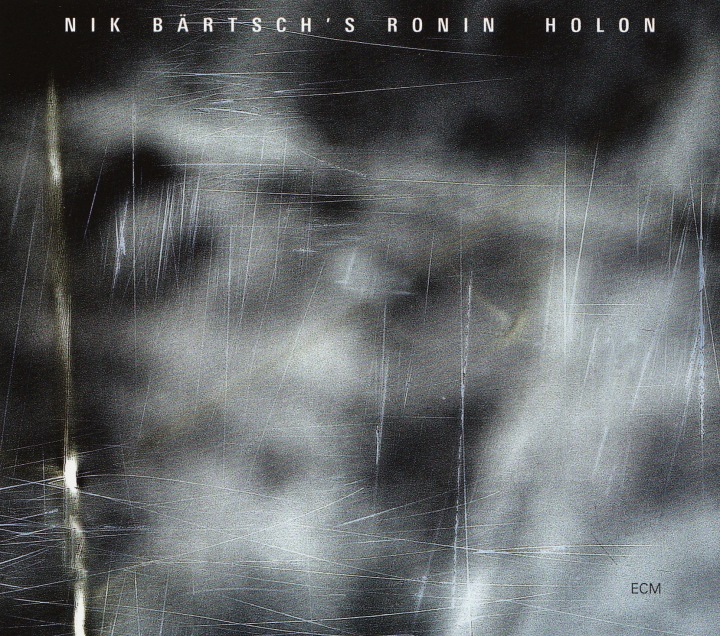
ECM 2049. Photograph by Thomas Wunsch
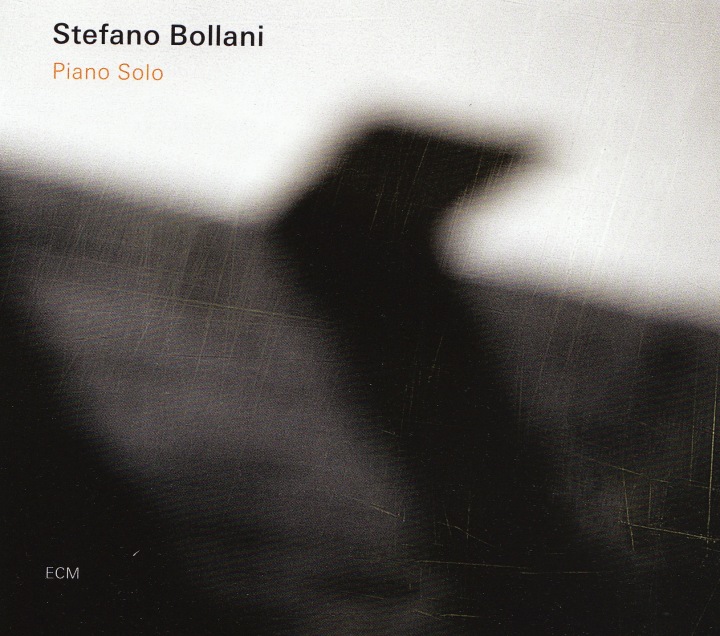
ECM 1964. Photograph by Thomas Wunsch
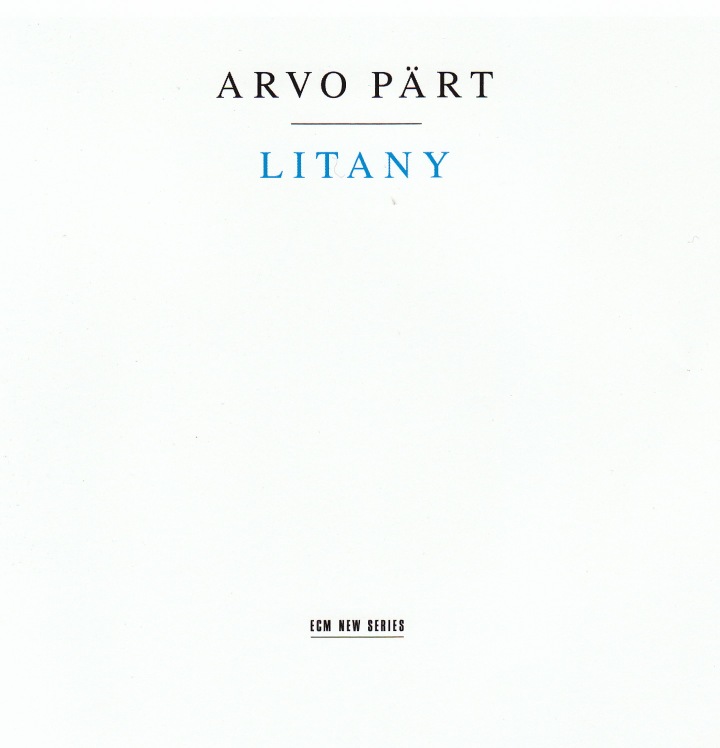
ECM New Series 1592. Art Direction by Barbara Wojirsch
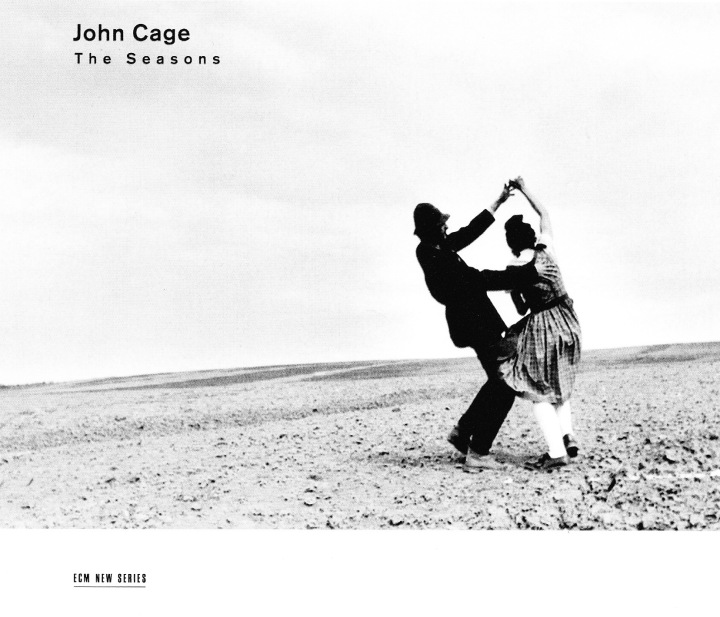
ECM New Series 1696. Photograph by Jo Pessendorfer
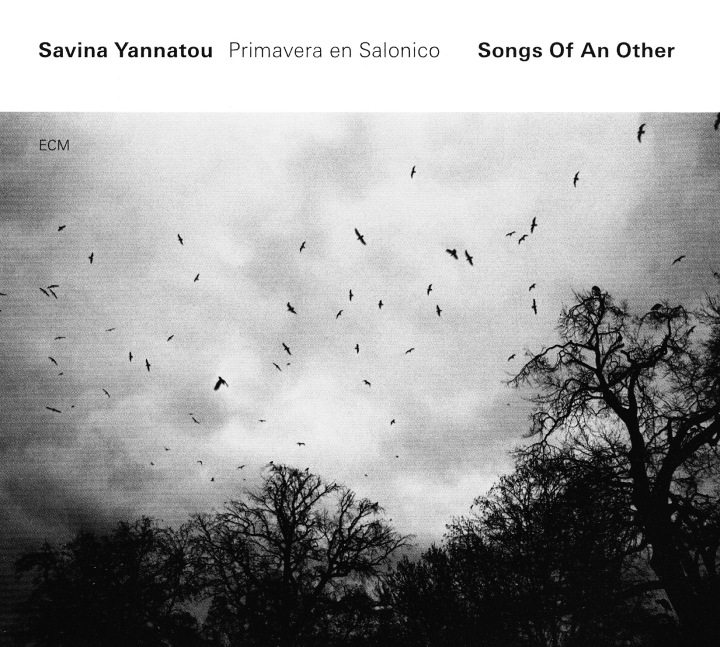
ECM 2057. Photograph by Thanos Hondros
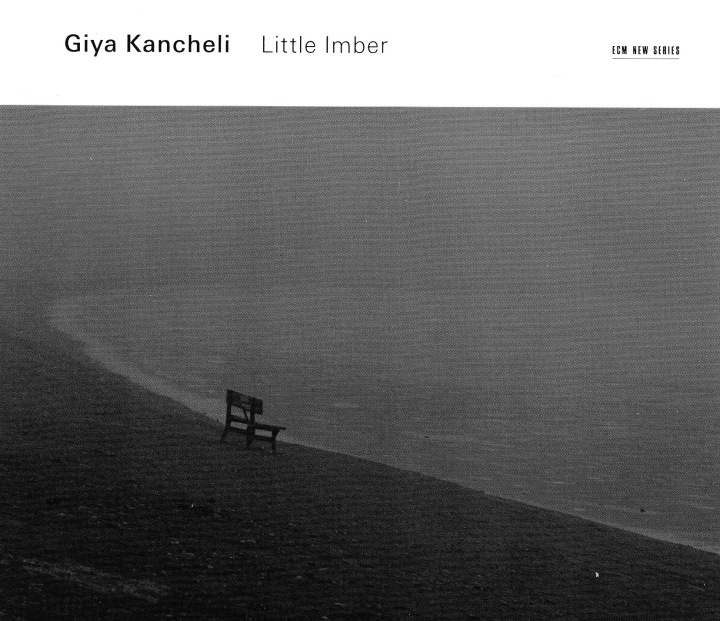
ECM New Series 1812. Photograph by David Kvachadze
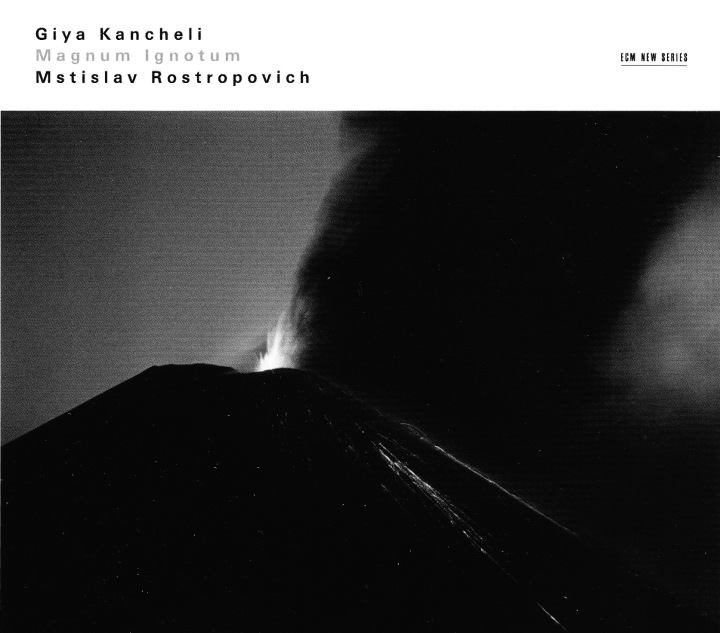
ECM New Series 1669. Photograph by Flor Garduno
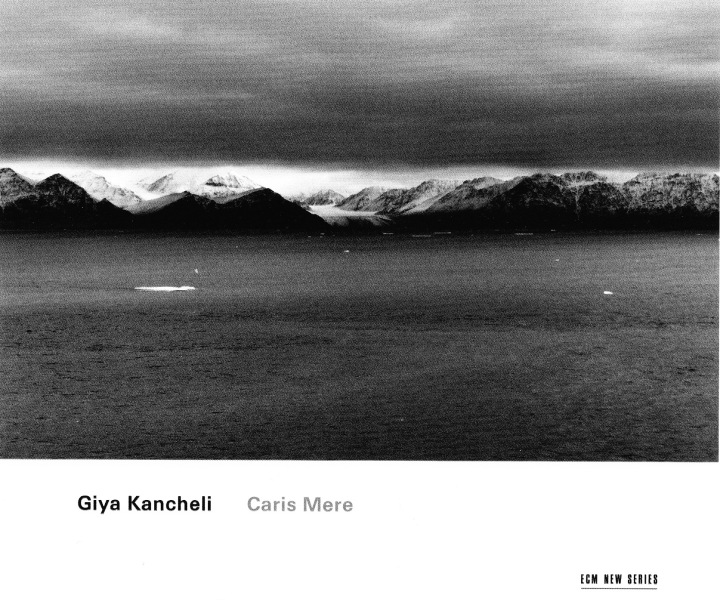
ECM New Series 1568. Photograph by Christopher Egger
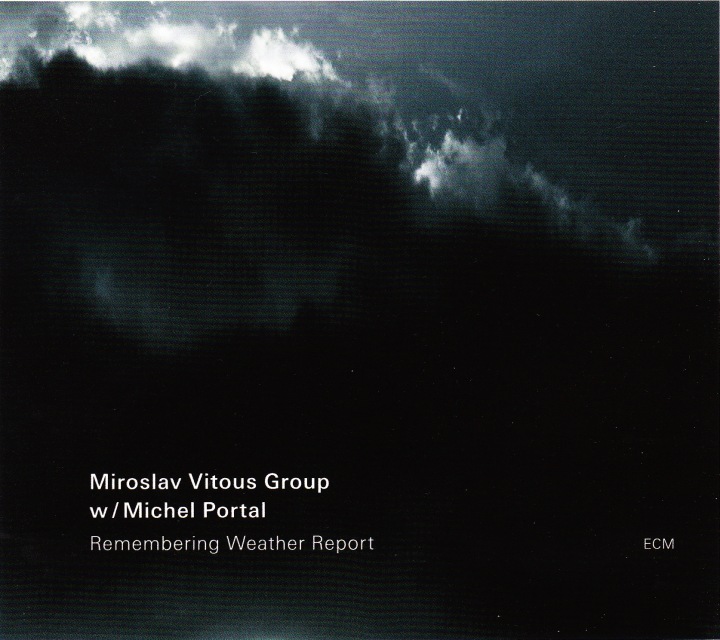
ECM 2073. Photograph by Sascha Kleis
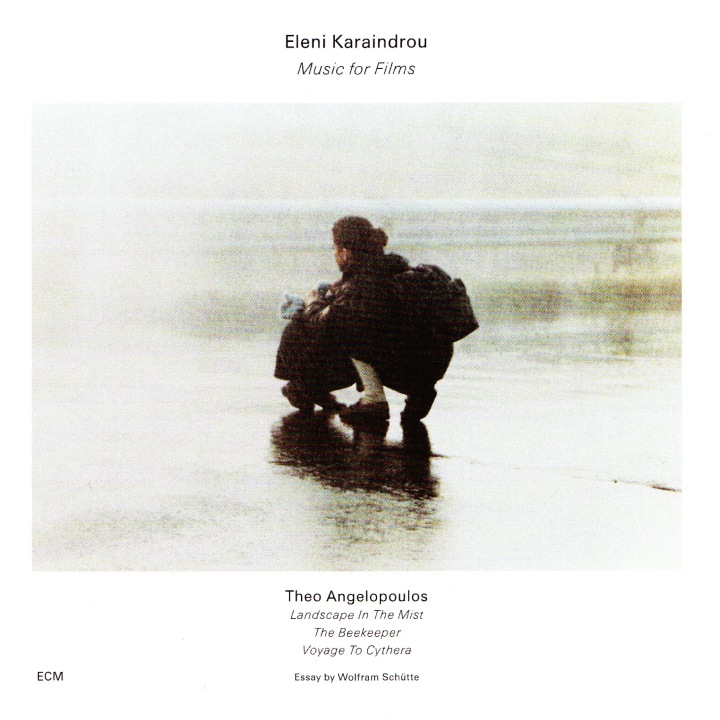
ECM 1429. From: “Landscape in the Mist” by Theo Angelopoulos. Photograph by Giorgos Arvanitis
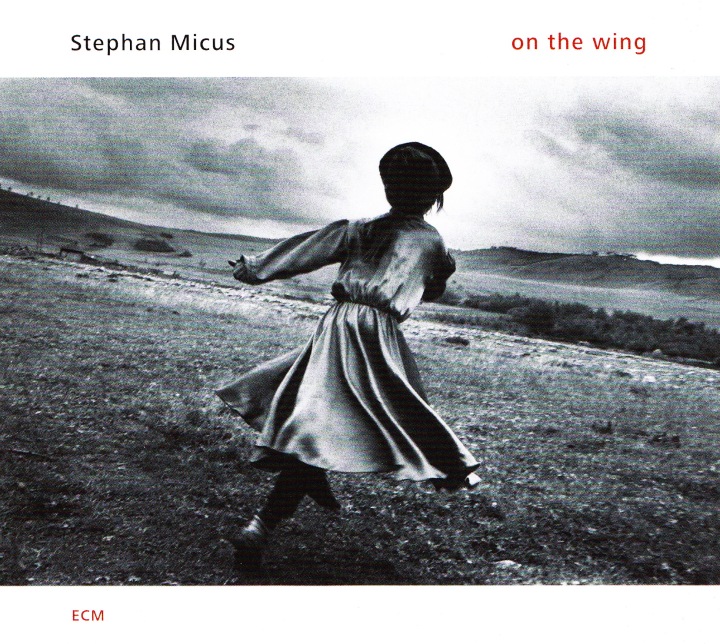
ECM 1987. Photograph by Claudine Doury
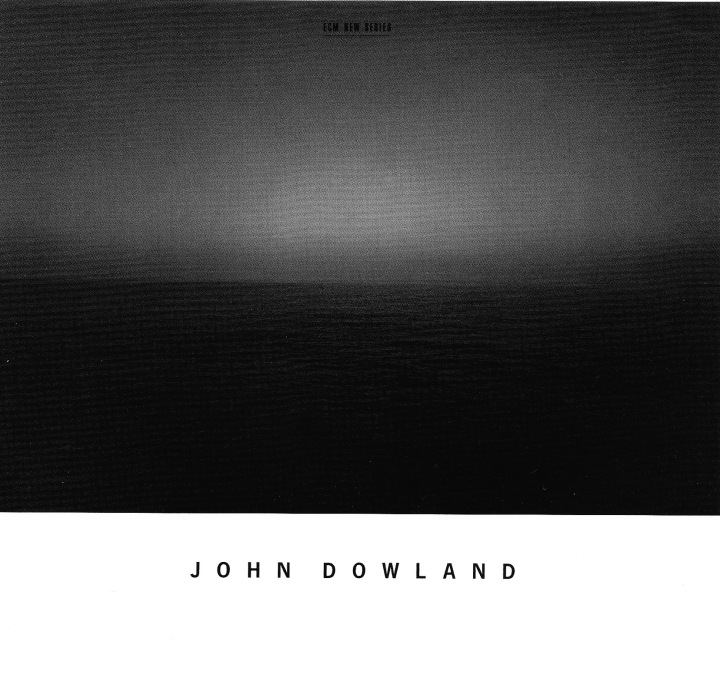
ECM New Series 1697. Photograph by Jim Bengston
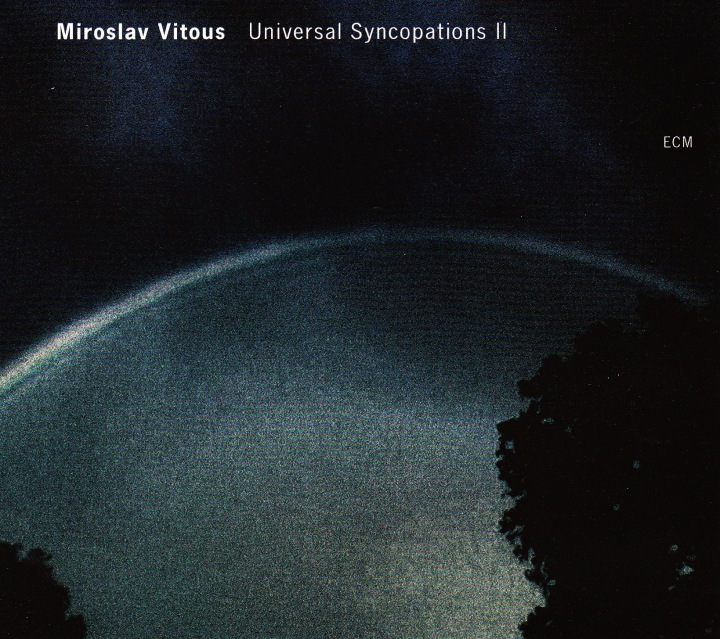
ECM 2013. Photograph by Sascha Kleis
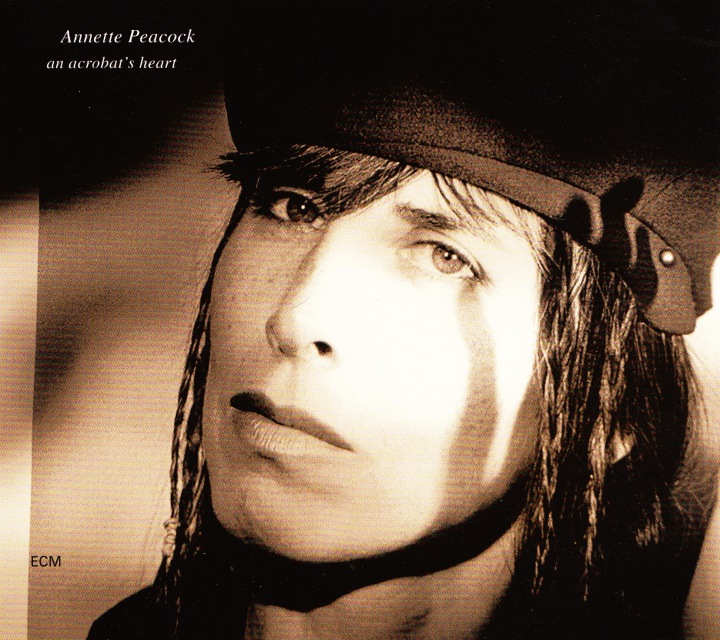
ECM 1733. Photograph by Alastair Thain
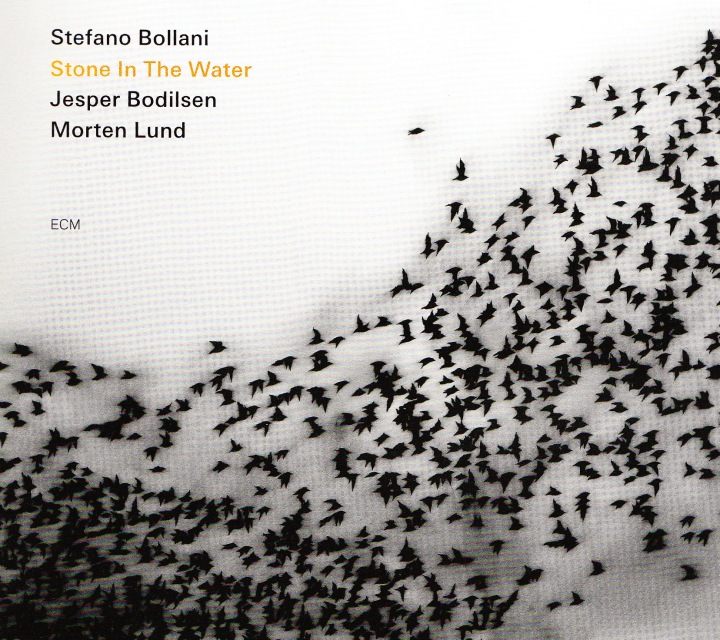
ECM 2080. Photograph by Eberhard Ross
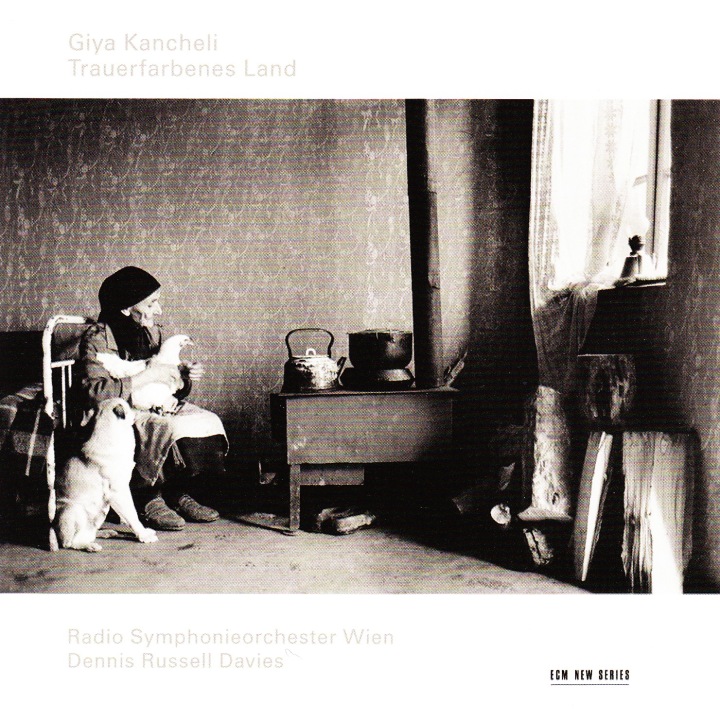
ECM New Series 1646. Photograph by Giya Chkatavashvili
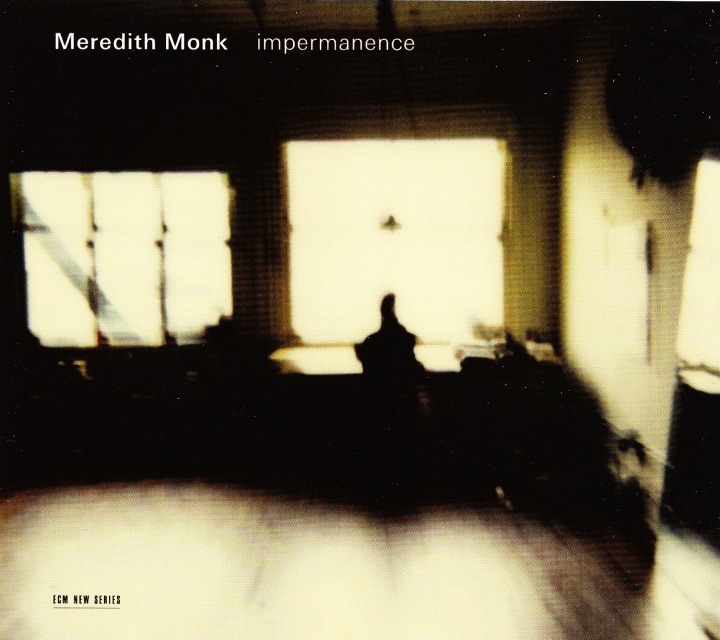
ECM New Series 2026. Photograph by John Sanchez
ECM 1664. From: “Passion” by Jean-Luc Godard
If the sea had no waves to uproot it
and give it back to the sea, if the sea had
too many waves (but not enough) to
overrun the horizon, enough (but just barely)
to disturb the earth, if the sea had no
ears to hear the sea, no eyes to be forever
the look of the sea, and if the sea had neither
salt nor foam, it would be a grey sea
of death in the sun cut off from its roots.
It would be a dying sea amid branches
cut off from the sun. It would be a mined
sea whose explosions would threaten the
world in its elephant memory. But the fruit.
What would become of the fruit? But man.
What would become of man?
-Edmond Jabès, from: The Book of Questions
___
Windfall Light : The Visual Language of ECM
Lars Müller : Thomas Steinfeld : Katharina Epprecht : Geoff Andrew : Ketil Bjørnstad
Edition of Contemporary Music : Lars Müller Publishers
2010
___
B
Building Images | Lucien Hervé
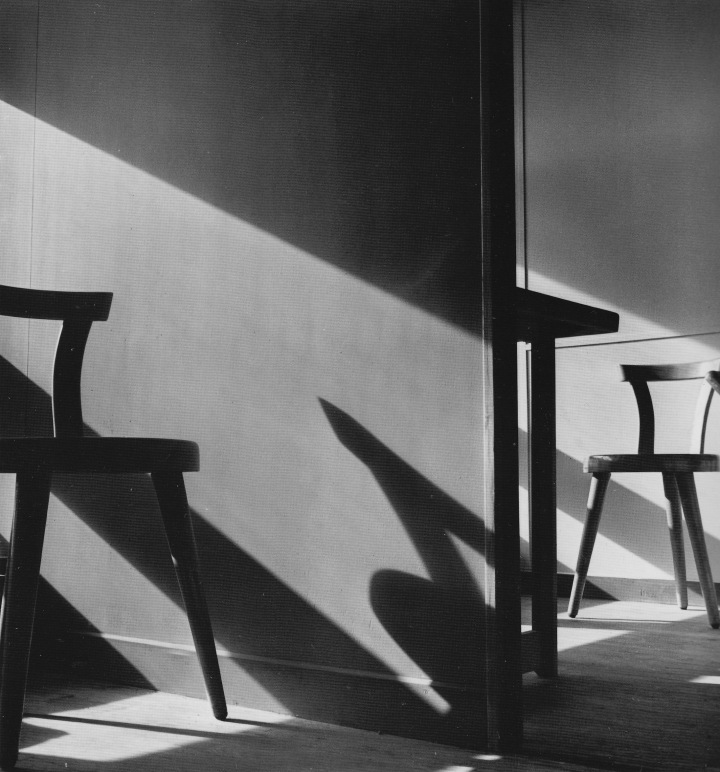
Charlotte Perriand Chair, Unité d’Habitation, Marseille, Le Corbusier, architect; 6 x 6 negative.
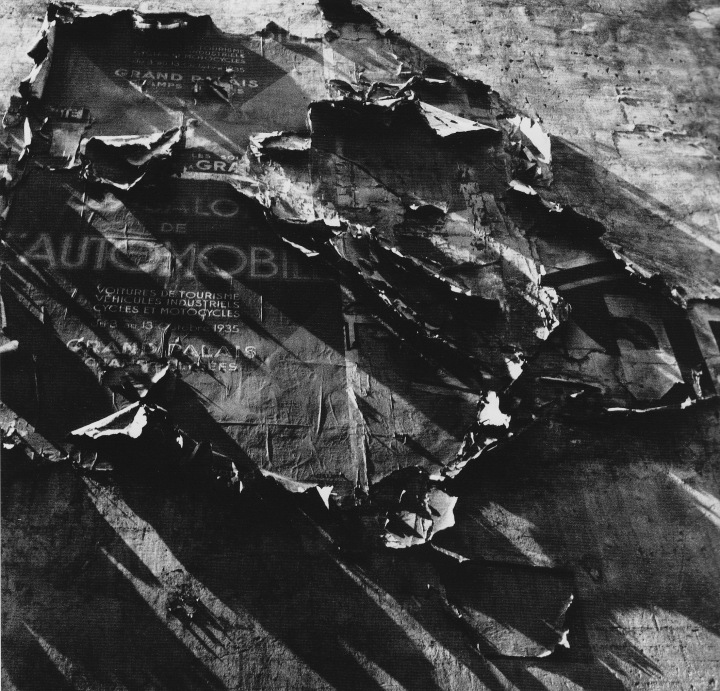
Wall in Belleville, Paris, 1947; vintage print.
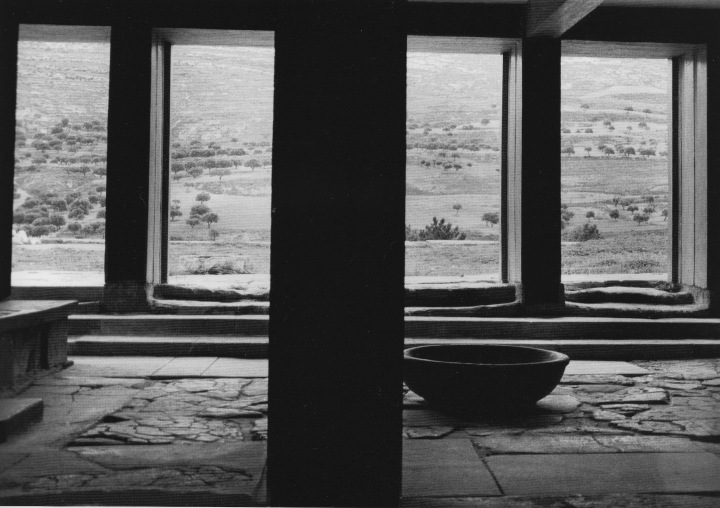
Knossos, Crete, 1956; vintage print.
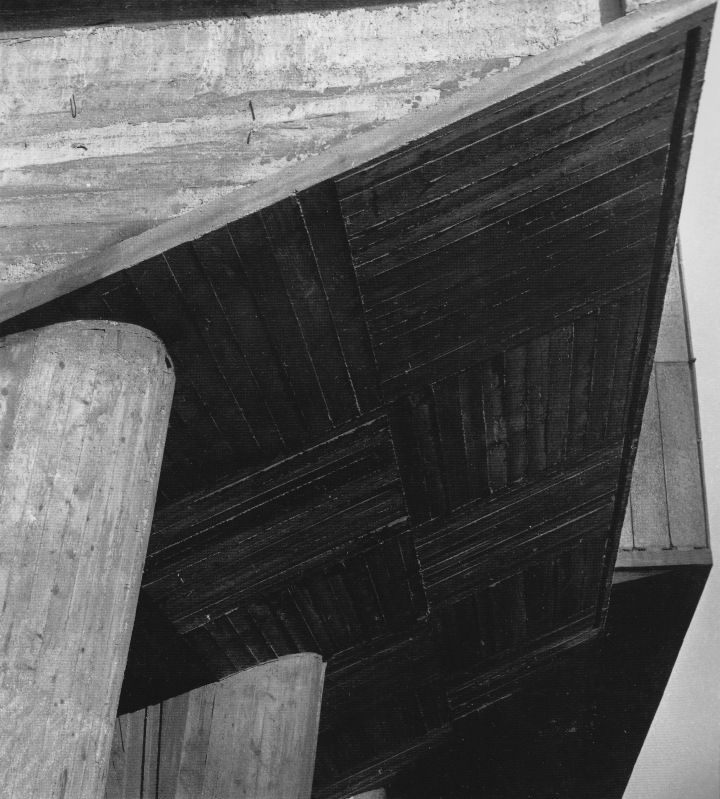
Unité d’Habitation, Marseille, Le Corbusier, architect, 1949; 6 x 6 negative.
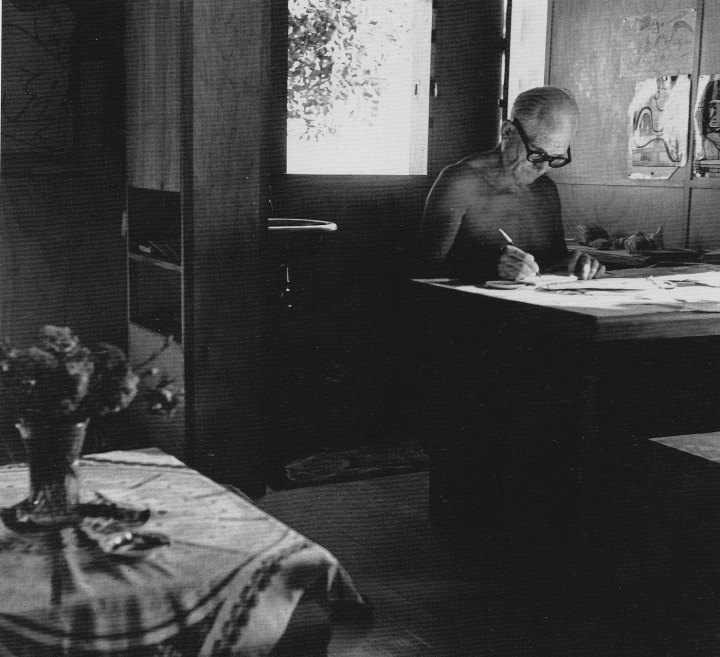
Le Corbusier in His Cabin, Cap-Martin, 1951.
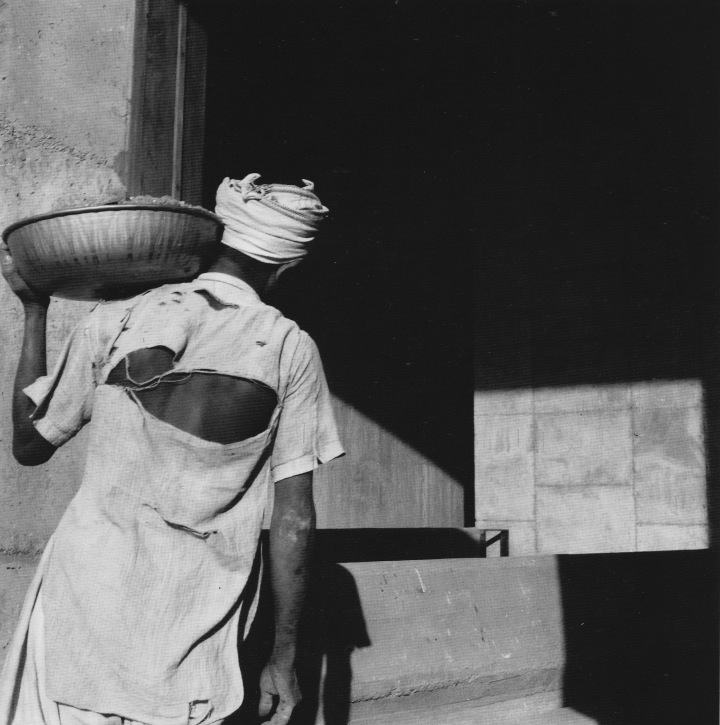
Chandigarh, the High Court, India, Le Corbusier, architect, 1955; cropped 6 x 9 negative.
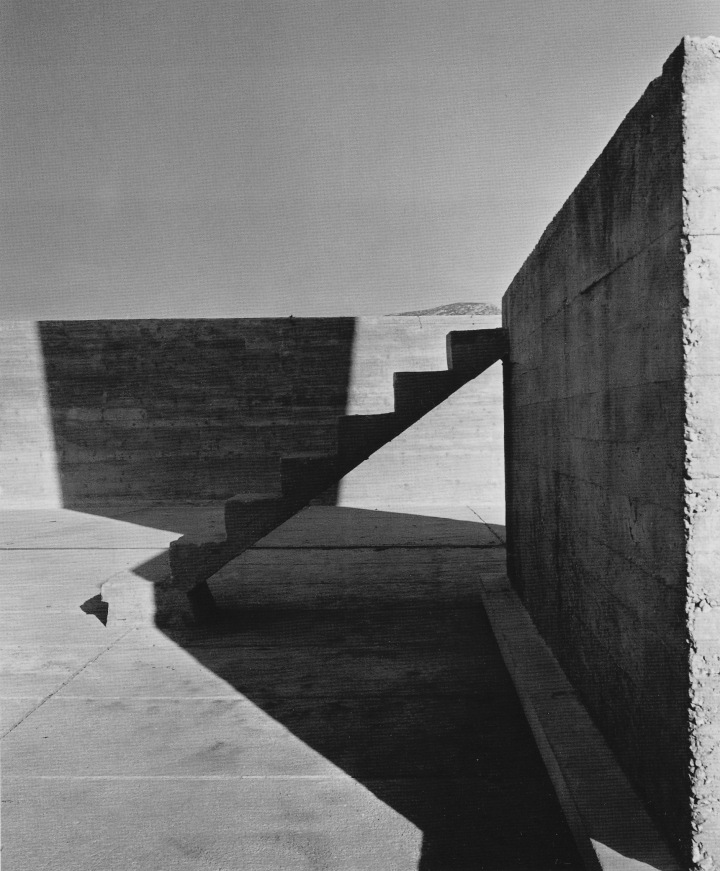
Unité d’Habitation, Le Corbusier, architect, 1952; cropped 6 x 6 negative.
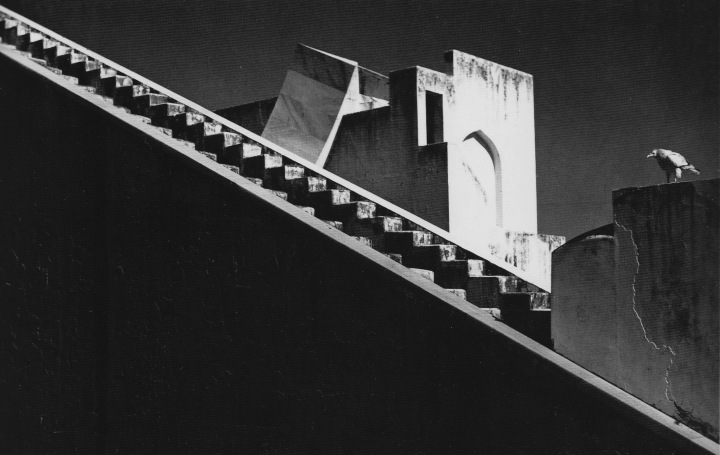
Jaipur, Observatory, India, 1955; cropped 6 x 6 negative.

Ronchamp Chapel, Le Corbusier, architect, 1953; cropped 6 x 9 negative.
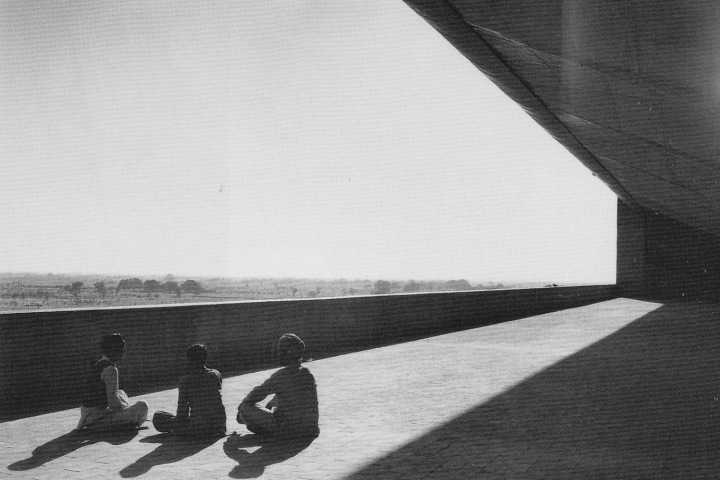
Chandigarh, The High Court, India, Le Corbusier, architect, 1955.
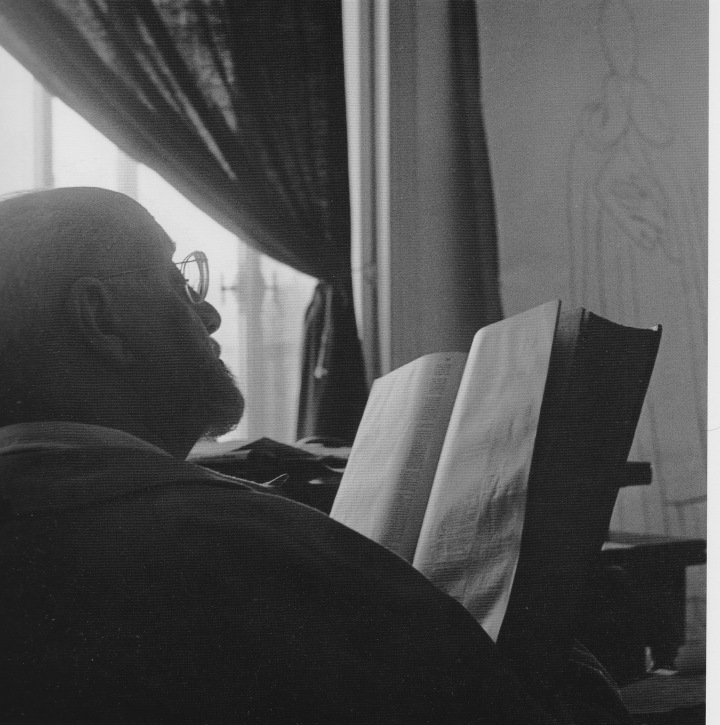
Henri Matisse, Painter and Sculptor, Hôtel Régina, Nice, 1949; 6 x 6 negative.
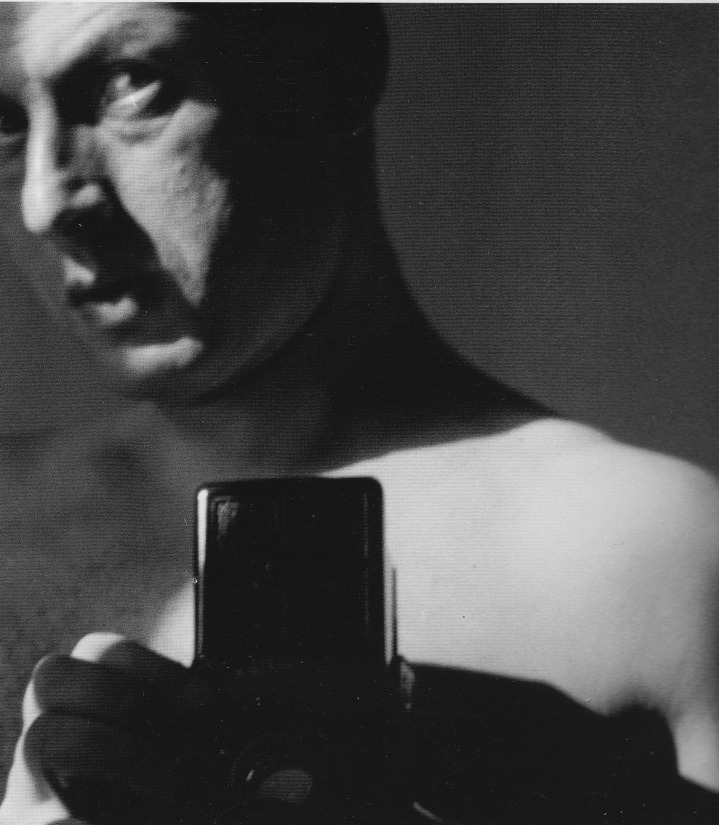
Lucien Hervé, Self Portrait, 1938.
Lucien Hervé was one of the great architectural photographers of the twentieth century and widely recognized for his collaborations with Le Corbusier from 1949 until the renowned architects death in 1965. Hervé approached his subjects, specifically the buildings he was commissioned to document, with a particular focus on conveying a sense of space, texture and structure. Through a strong contrast of light and shadow, Hervé defined the dialogue between substance and form as well as placing emphasis on building details. In this way, the photographer was able to communicate the depth of a room, the surface of a wall, or the strength of a buildings framework. However, Hervé the master of architectural photography has eclipsed Hervé the photographer, whose career began as early as 1938 and whose subject matter varied widely.
___
Building Images : Lucien Hervé
Oliver Beer
Getty Publications
2004
___
B
8 Untitled Works | Josie Miner
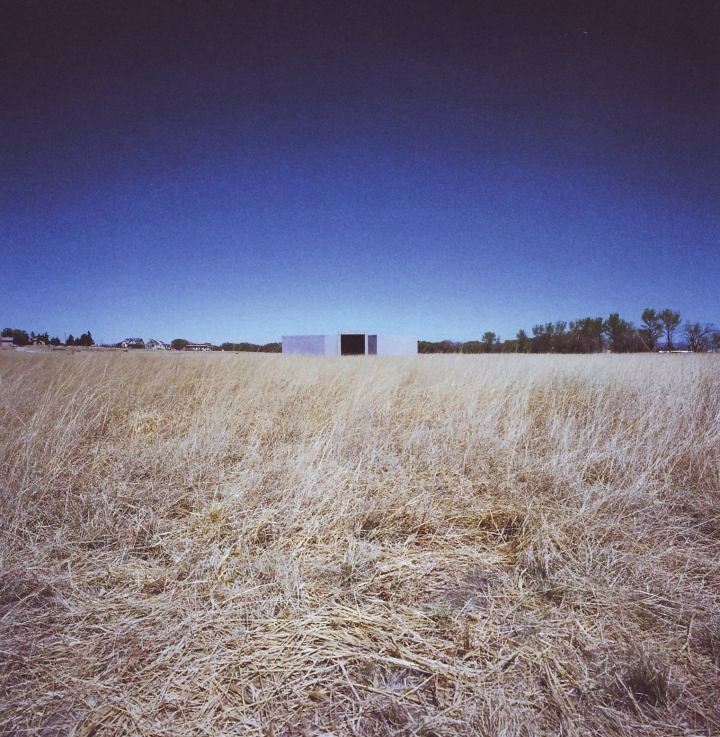
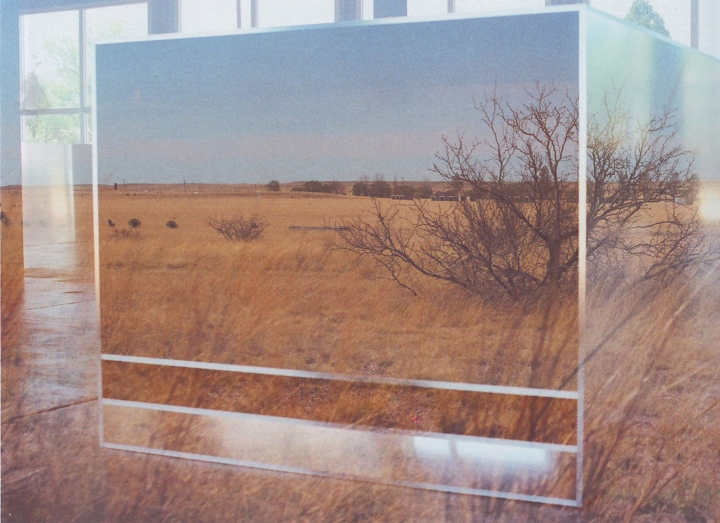
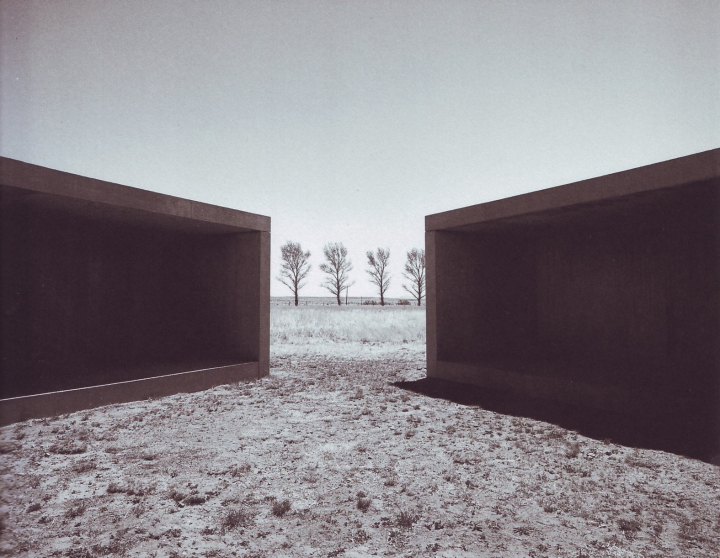
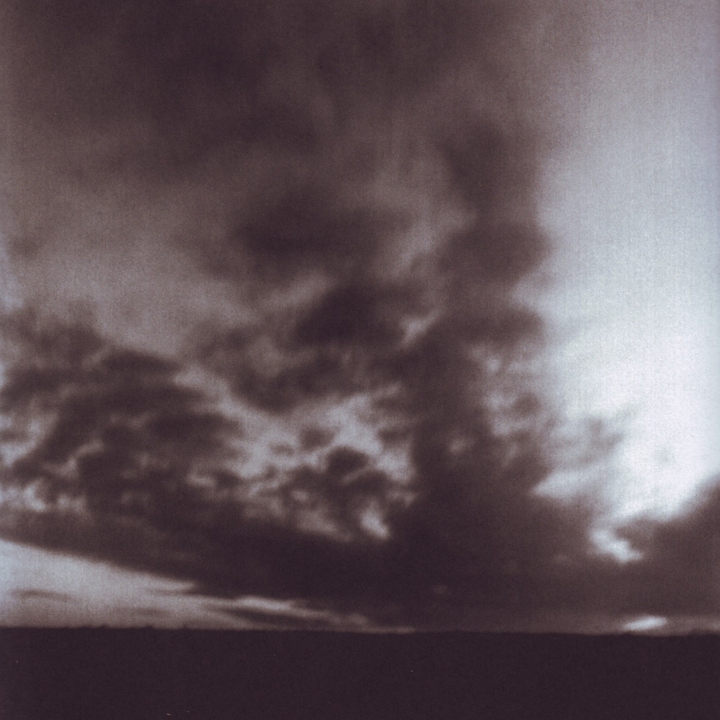
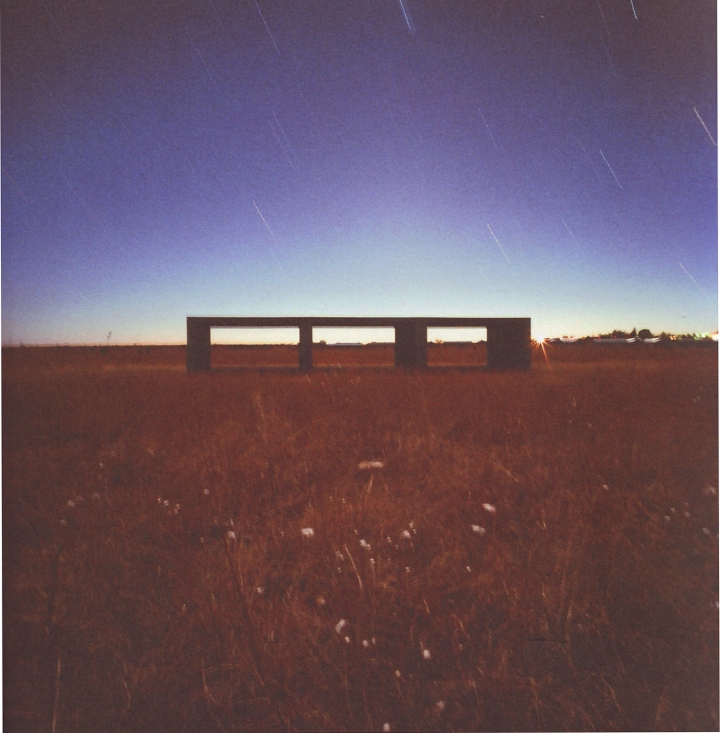
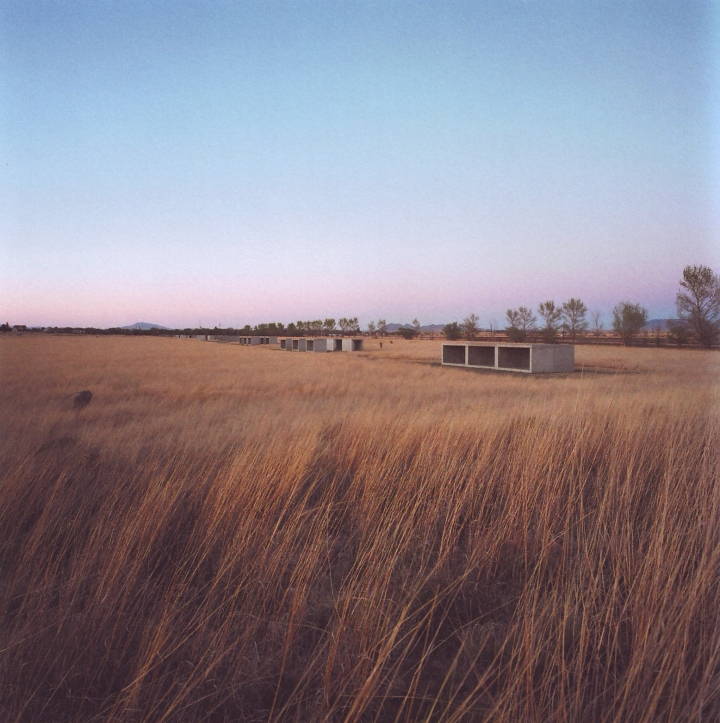
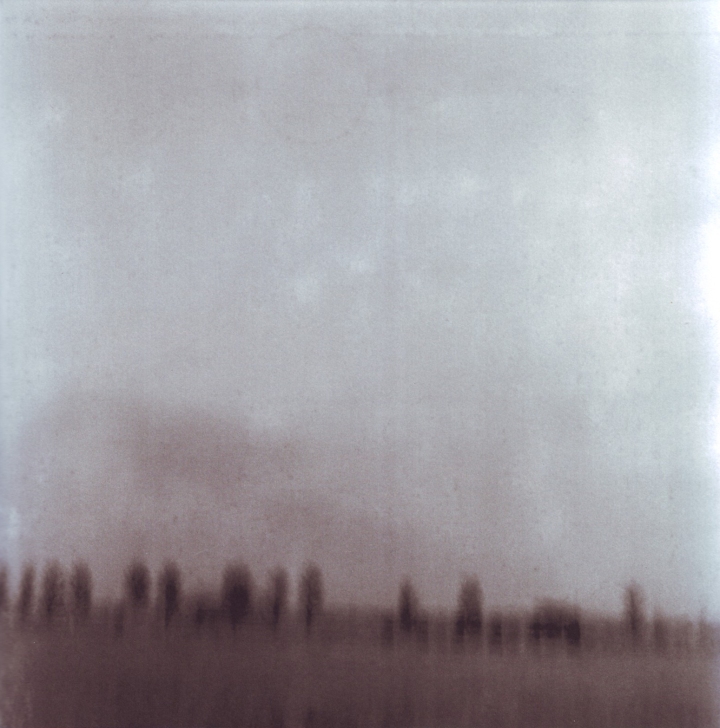
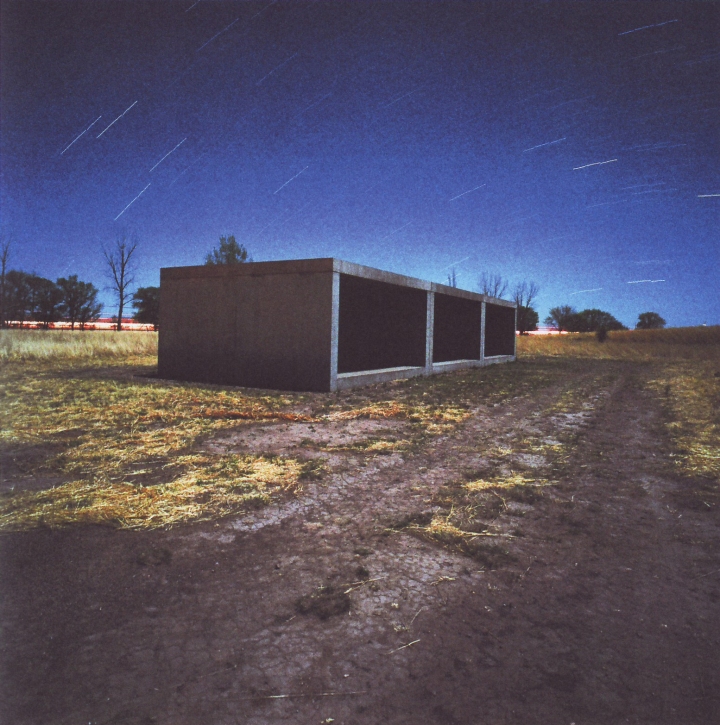
All fifteen concrete works by Donald Judd cast and assembled on-site in Marfa, Texas between 1980 through 1984. Each measures 2.5 x 2.5 x 5 meters.
Shade is short and miles away, tucked between the Chinati mountains and the Mexican border.
In the low, lonely horizontal blue desert plain of the Chihuahuan.
As day dims, light is long.
Bowing towards the horizon, the retiring sun sets the sky ablaze and the desert aglow.
A weightless, soft sensual glow : purple mountain silhouettes, capacious sky, undulating glass, amber cactus and concrete.
Light and dark, land and sky and blue and melt.
The cool, quiet haze of dark generously gives way to starry desert night dreams.
___
A Magazine #9
Proenza Shouler : Tom Watt : Ian Davies : Nathalie Ours
A Publisher
2009
___
A
Robert Smithson
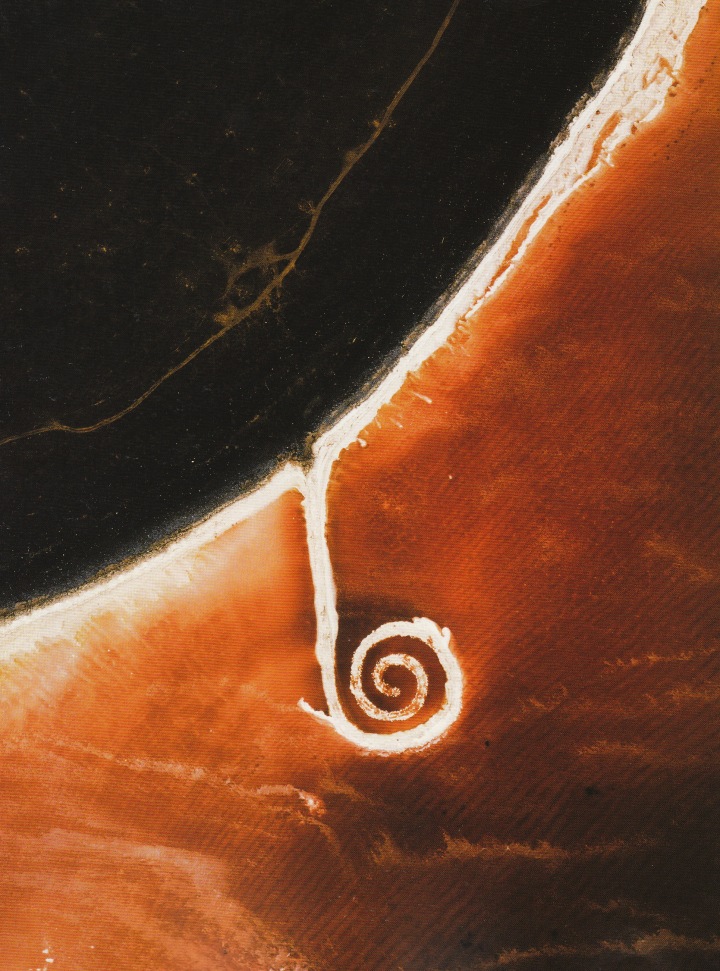
Aerial view of Spiral Jetty (1970), Great Salt Lake, Utah, August 2003. Mud, precipitated salt crystals, rocks and water. Coil: 1500 ft. long and 15 ft. wide. Photographed by David Maisel.
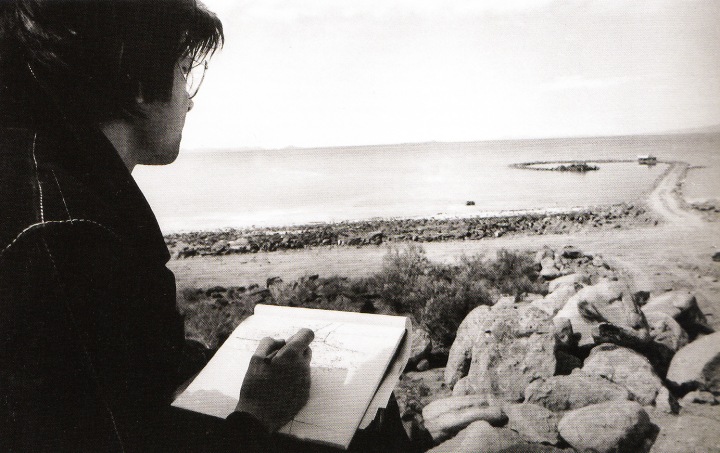
Smithson building Spiral Jetty (1970), Great Salt Lake, Utah, 1 April 1970. Photographed by Gianfranco Gorgoni.
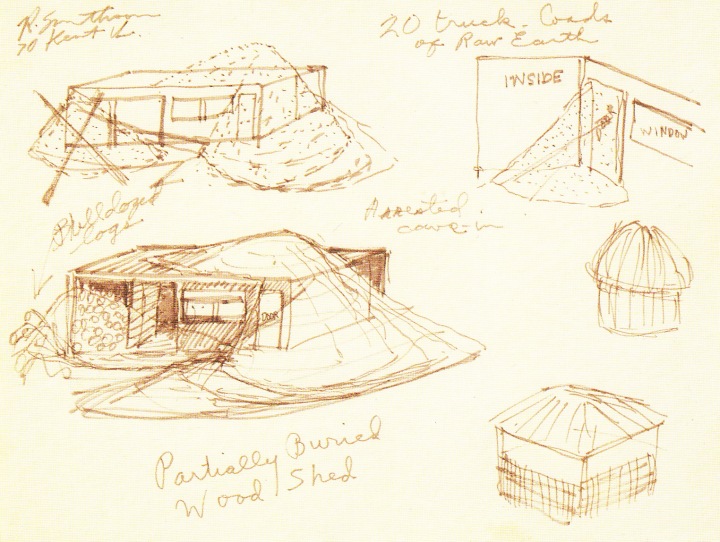
Documentary Drawings for Partially Buried Woodshed, 1970.
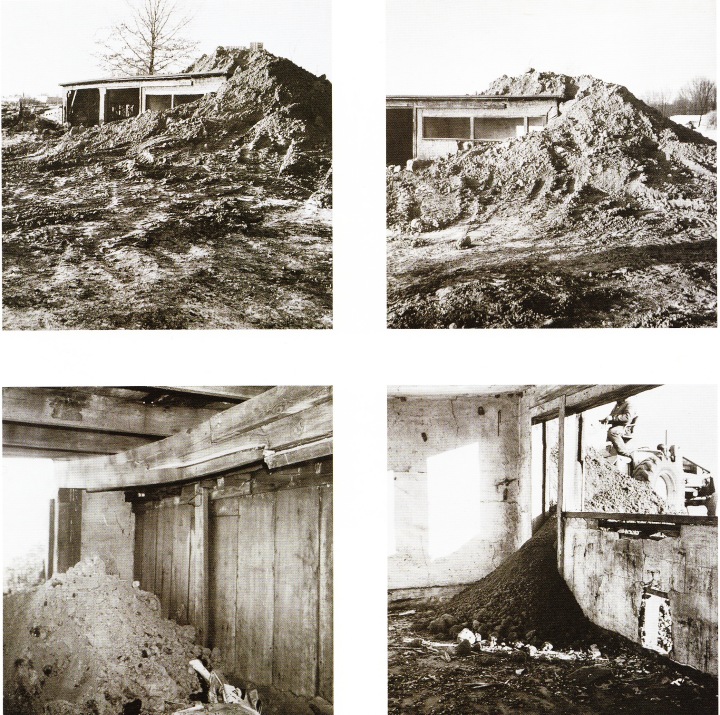
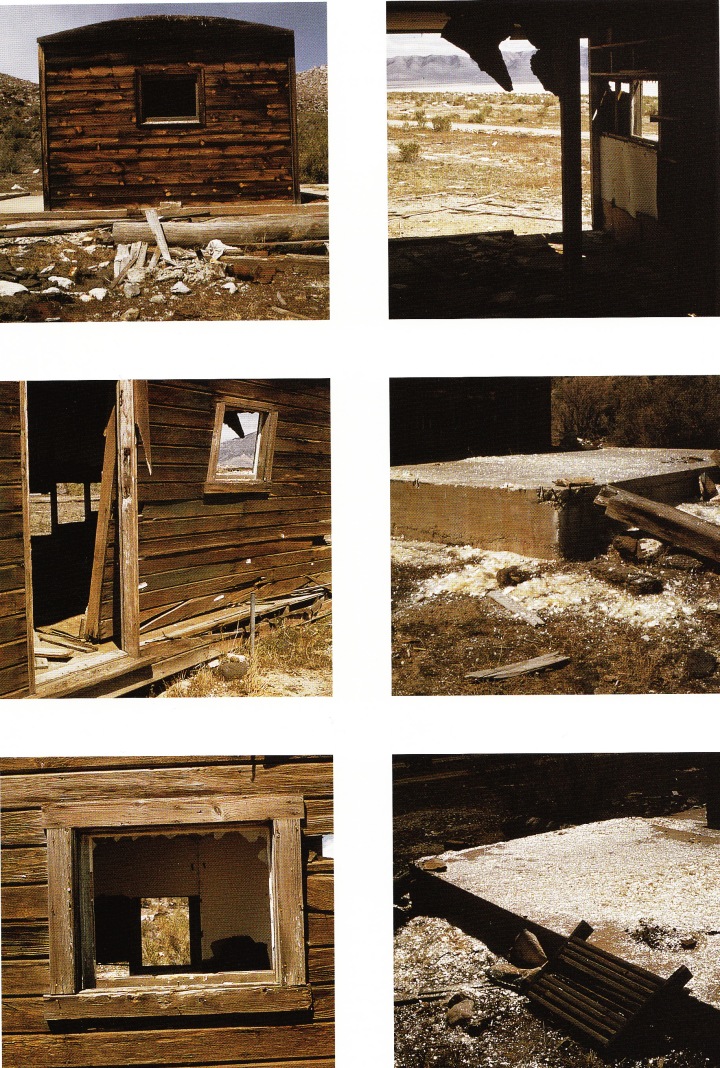
Partially Buried Woodshed, 1970.
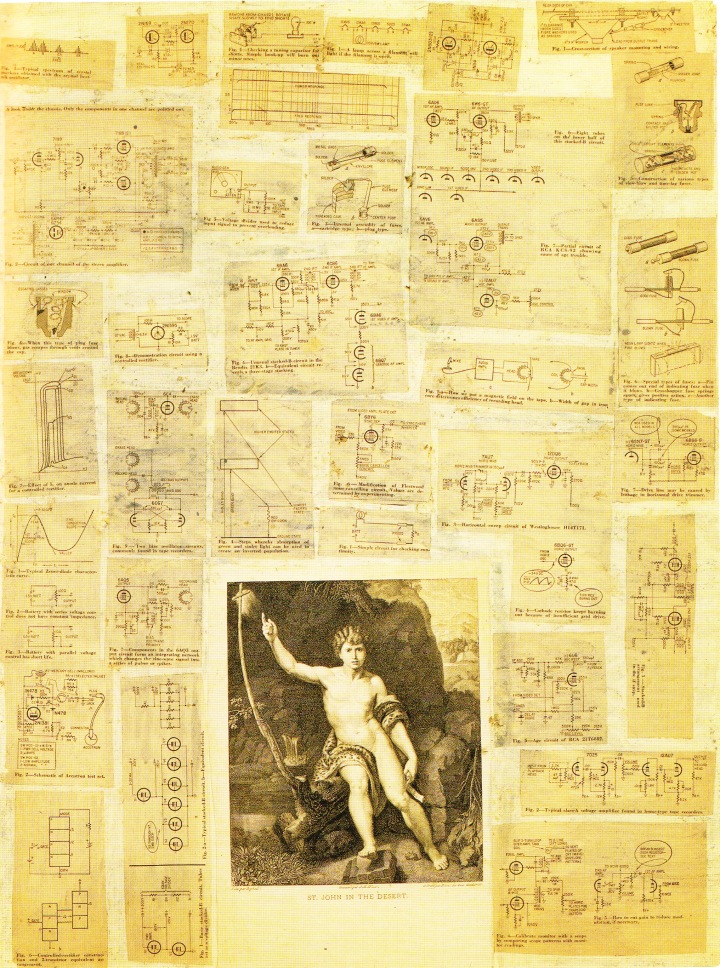
St. John in the Desert, c. 1961-63.
Untitled (Mica Spread) (1970), Rozel Point, Utah, April 1970. Photographed by Nancy Holt.
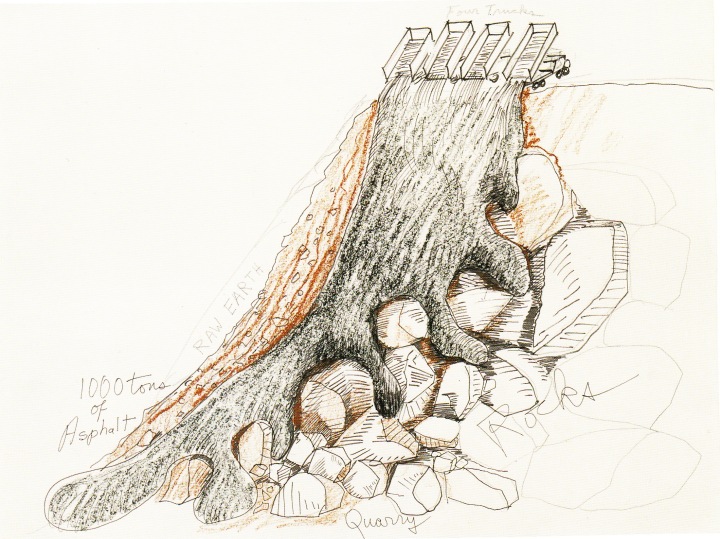
1000 Tons of Asphalt, 1969.
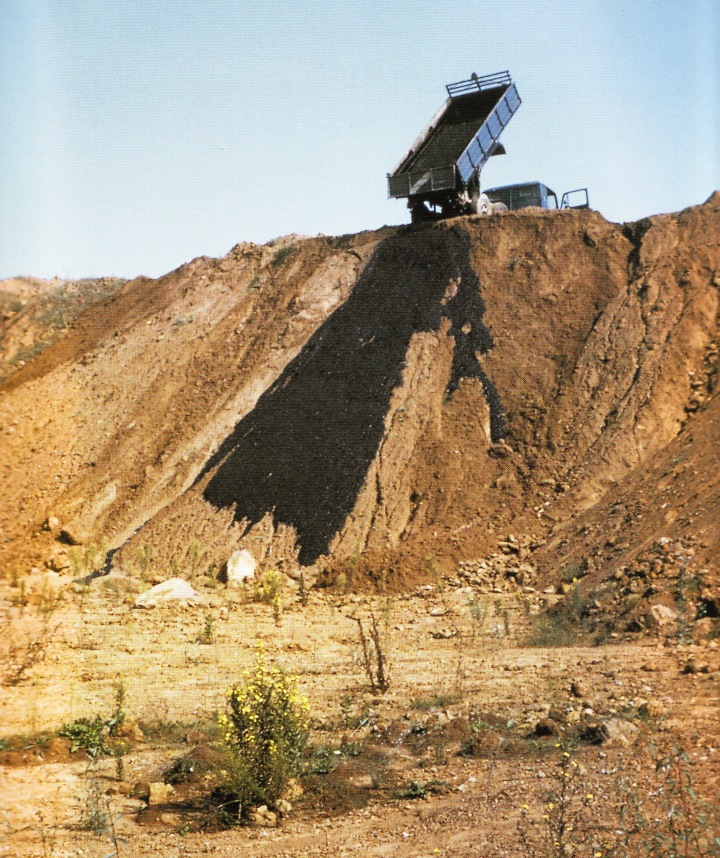
Asphalt Rundown, Rome, 1969.

Spiral Jetty (1970), Great Salt lake, Utah, 1970. Mud, precipitated salt crystals, rocks and water. Coil: 1500 ft. long and 15 ft. wide. Photographed by Gianfranco Gorgoni
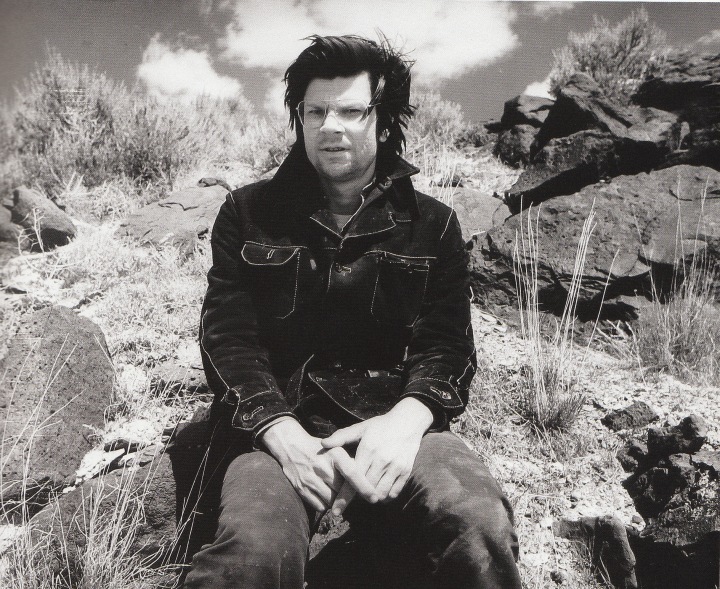
Smithson at the site of Spiral Jetty (1970), Great Salt Lake, Utah, April 1970. Photographed by Gianfranco Gorgoni.
Robert Smithson is perhaps best known as a pioneer of the Earthworks movement and the creator of the iconic Spiral Jetty (1970). However, his involvement in the development of Earthworks is only one of his many contributions to postwar American art. One of the most important concepts Smithson was that of the “site,” a place in the world where art is inseparable from its context. His sites included remote locations like Rozel Point, on the north shore of the Great Salt Lake; the Yucatan Peninsula in Mexico; the art museum and the white cube of the gallery; and the pages of art magazines like Artforum, where he published some of his essays. By encompassing both conventional exhibition venues and far-flung locations within his practice, Smithson performed a kind of institutional critique, pointing to the geographical and cultural limitations that the purportedly neutral spaces of museums impose on art.
___
Robert Smithson
Eugene Tsai : Cornelia Butler
The Museum of Contemporary Art, Los Angeles
2005
___
The Museum of Contemporary Art, Los Angeles
B
 History of Our World
9 comments